
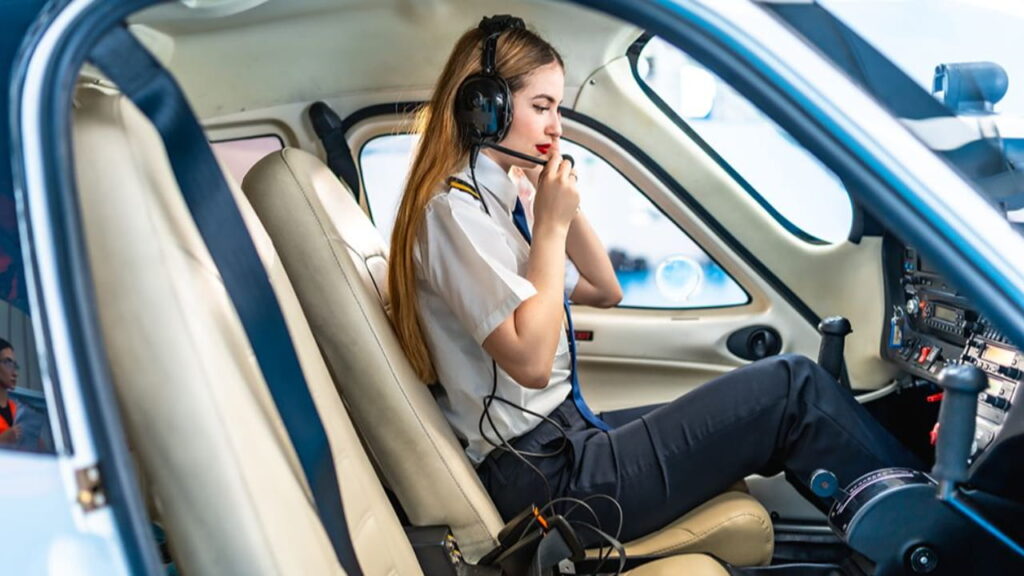
Every aspiring aviator eventually turns to a Private Pilot Guide to make sense of the journey ahead, and for good reason. A Private Pilot License, often shortened to PPL, is the foundational credential that allows someone to fly single-engine aircraft for personal use, carry passengers, and build the experience needed for more advanced ratings. It is not a shortcut or a hobbyist badge; it represents genuine competency in aircraft control, navigation, weather interpretation, and decision-making under real-world conditions. Many people assume the license is only for those chasing airline careers, but plenty of pilots earn it purely for personal freedom, travel flexibility, or the sheer joy of flight. Whatever the motivation, the training process demands discipline, financial planning, and patience, which is exactly why a structured Private Pilot Guide becomes such a valuable companion from day one.
Setting Realistic Expectations Before You Begin
Before enrolling in flight school, it helps to understand the scope of the commitment. Most students need between 40 and 70 flight hours to reach checkride readiness, though this varies based on natural aptitude, weather delays, and how consistently lessons are scheduled. A thoughtful Private Pilot Guide will always emphasize that rushing through training rarely produces confident pilots. Instead, steady progress, spaced repetition of maneuvers, and honest self-assessment tend to build far stronger foundations. Financial planning matters just as much as scheduling. Aircraft rental, instructor fees, study materials, and exam costs add up quickly, so many students choose to budget in stages rather than paying everything upfront. Setting expectations early prevents frustration later, especially when unpredictable weather or aircraft maintenance pushes lessons back by days or even weeks.
Choosing the Right Flight School and Instructor
One of the most overlooked steps in any Private Pilot Guide is selecting a training environment that matches your learning style. Some students thrive in the structured, fast-paced environment of an accelerated academy, while others prefer the flexibility of a local flight club where lessons can be spread across months. Instructor compatibility matters enormously here. A good instructor challenges you without creating unnecessary anxiety, explains concepts in multiple ways, and adapts lesson plans based on your progress rather than following a rigid script. It is worth visiting a few schools, asking about their aircraft maintenance records, checking instructor turnover rates, and even sitting in on a ground lesson if possible. Trust between student and instructor accelerates learning far more than any textbook or simulator session ever could.
Core Ground School Knowledge Every Student Must Master
Flying is not just physical skill; it is layered with academic knowledge that forms the backbone of safe decision-making. Ground school covers airspace classifications, weather theory, aircraft systems, navigation principles, radio communication procedures, and federal aviation regulations. A well-rounded Private Pilot Guide will stress that memorization alone is insufficient. Students must genuinely understand how a cold front affects turbulence, why density altitude changes takeoff performance, or how to interpret a METAR report under pressure. Many training programs now blend online modules with in-person discussions, allowing students to review material at their own pace before applying it in the cockpit. Passing the written knowledge exam is a milestone, but true mastery shows up later, during actual flights when quick judgment calls are required in changing conditions.
Building Practical Flying Skills Step by Step
Once ground school concepts start clicking, practical flight training brings everything to life. Early lessons typically focus on basic aircraft control: straight and level flight, climbs, descents, and turns. As confidence grows, instructors introduce stalls, slow flight, ground reference maneuvers, and eventually solo flight, which many students describe as the most exhilarating milestone of their entire training. A detailed Private Pilot Guide will walk through cross-country navigation next, where students learn to plan routes, calculate fuel burn, and manage in-flight decision-making without constant instructor guidance. Emergency procedures, including simulated engine failures and diversions, are introduced gradually so students build calm, methodical responses rather than panic. By the time checkride preparation begins, most students have flown dozens of hours across varied conditions, giving them the muscle memory and judgment examiners look for.
Preparing for the Checkride with Confidence
The final hurdle before earning a license is the practical test, commonly called the checkride, which combines an oral examination with an in-flight evaluation. This stage often causes the most anxiety, yet a solid Private Pilot Guide reminds students that examiners are not looking for perfection; they are looking for safe, competent decision-making. Reviewing the Airman Certification Standards thoroughly, practicing mock oral exams with instructors, and flying several stage checks beforehand all reduce surprises on test day. Weather awareness, checklist discipline, and clear communication with air traffic control are frequently scrutinized areas. Students who treat the checkride as one more training flight, rather than an intimidating final exam, tend to perform noticeably better. Passing this milestone marks not an ending, but the beginning of a lifelong learning process as a certificated pilot.
Skills That Separate Good Pilots From Great Ones
Technical proficiency only tells part of the story. The pilots who truly excel share certain intangible qualities that any thorough Private Pilot Guide should highlight. Situational awareness, for instance, involves constantly scanning instruments, monitoring radio chatter, and anticipating changes before they become problems. Strong communication skills matter just as much, whether coordinating with controllers or briefing passengers on safety procedures. Discipline around personal minimums, meaning knowing when weather or fatigue means a flight should be postponed, often separates seasoned aviators from reckless ones. Adaptability also plays a major role, since conditions rarely match the forecast exactly. Finally, a habit of continuous learning, through refresher courses, additional ratings, or simply staying current on regulation changes, keeps pilots sharp long after their initial certification is earned.
Career Paths Beyond the Private Pilot License
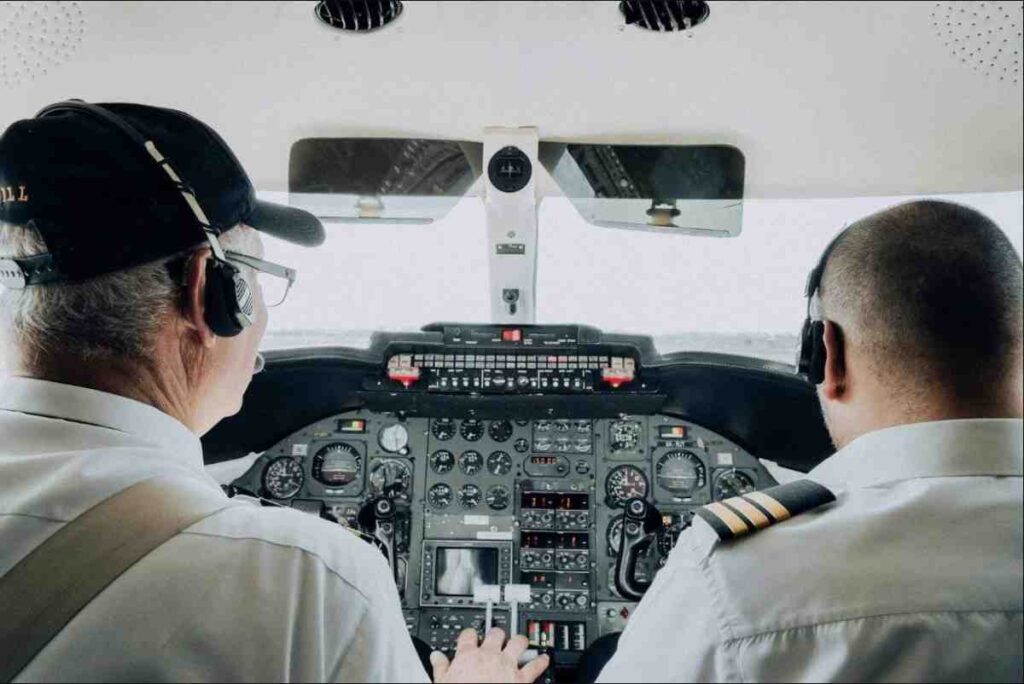
While many pilots stop at the private level purely for personal enjoyment, others use it as a launching pad toward professional aviation. From here, common next steps include earning an instrument rating, which allows flight in reduced visibility conditions, followed by a commercial pilot certificate that opens doors to paid flying work. Some pursue a certified flight instructor rating to build hours while teaching new students, a path that also deepens their own understanding of aviation fundamentals. Others aim toward corporate flying, cargo operations, or eventually the airlines, each requiring additional certifications and flight experience. A comprehensive Private Pilot Guide should make clear that career aviation is a long game built on accumulated hours, ratings, and professionalism rather than a single certificate. The private license, however, remains the essential first chapter in that much longer story.
Staying Current and Continuing to Grow as a Pilot
Earning a license is not the finish line; aviation demands ongoing engagement to remain safe and proficient. Flight reviews every two years, recurrent training, and staying updated on airspace or regulatory changes are all part of responsible pilot life. Many licensed pilots also pursue additional ratings simply to expand their capabilities, such as a tailwheel endorsement or seaplane rating, adding both skill and enjoyment to their flying. Joining local aviation communities, attending safety seminars, and mentoring newer students are excellent ways to stay sharp while giving back. A well-rounded Private Pilot Guide should reinforce that complacency is the real enemy in aviation, far more than any single difficult maneuver. Pilots who treat learning as continuous, rather than something that ends at certification, tend to enjoy longer, safer, and far more fulfilling flying careers.
Conclusion
Becoming a private pilot is one of the most rewarding challenges a person can undertake, blending technical mastery with genuine personal growth. From selecting the right flight school to mastering ground knowledge, building practical skills, and eventually passing the checkride, every stage demands commitment and resilience. This Private Pilot Guide has walked through the essential milestones, the skills that distinguish exceptional pilots, and the career paths available beyond the initial certificate. Whether the goal is recreational freedom or a stepping stone toward professional aviation, the fundamentals remain the same: disciplined study, consistent practice, and respect for the responsibility that comes with flight. Anyone willing to invest the time will find that the sky, quite literally, becomes far more accessible than it ever seemed before training began.

