Many people imagine that flying an aircraft begins the moment a pilot steps into the cockpit, but the reality is far more layered. Understanding Pilot Daily Responsibilities means looking beyond the hours spent airborne and recognizing the preparation, communication, and vigilance required before, during, and after every flight. A pilot’s day often starts hours before departure and does not truly end until the aircraft is safely parked and all paperwork is filed. Airlines, charter companies, and private operators all expect their pilots to follow strict routines that protect passengers, crew, and cargo. These routines are not arbitrary; they are built on decades of aviation safety research and regulatory oversight. For anyone considering a career in aviation, or simply curious about what happens behind the cockpit door, exploring these daily duties offers a realistic picture of the profession’s demands and rewards.
Pre-Flight Preparation and Documentation
Among the most critical Pilot Daily Responsibilities is the pre-flight preparation phase, which sets the tone for the entire journey. Pilots typically arrive at the airport well before scheduled departure to review weather briefings, notices to airmen, and route information. They study fuel requirements, passenger loads, and alternate airport options in case conditions change mid-flight. This stage also involves confirming that all required documentation, including flight plans and crew licenses, is current and accessible. Communication with dispatchers and air traffic control begins here, ensuring everyone shares the same understanding of the planned route. Skipping or rushing this preparation can lead to costly errors later, which is why airlines enforce strict checklists. A thorough pre-flight review reduces surprises once the aircraft is airborne and builds confidence among the entire crew before doors close.
Conducting Thorough Aircraft Inspections
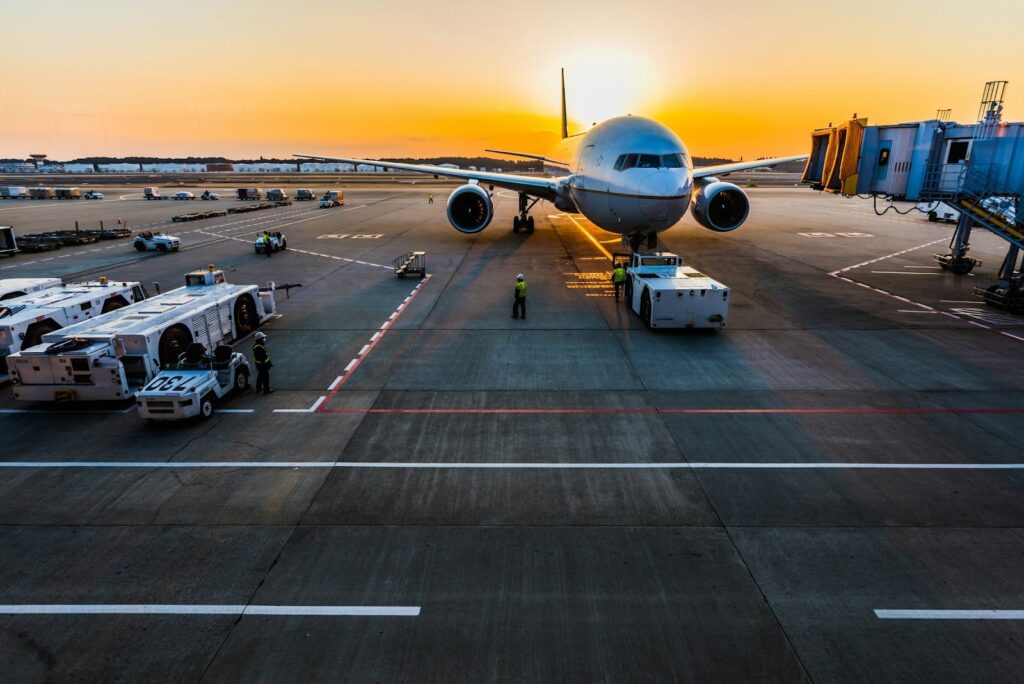
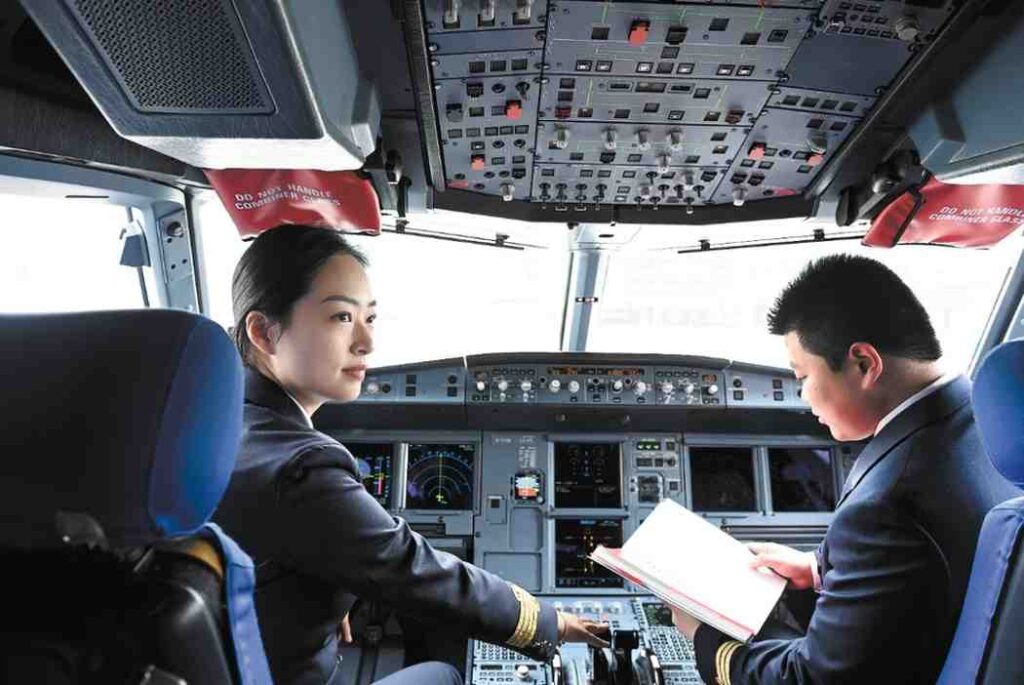
Physical inspection of the aircraft is another cornerstone of Pilot Daily Responsibilities that cannot be overlooked. Before every flight, pilots walk around the exterior of the plane, checking for visible damage, fluid leaks, tire condition, and proper functioning of control surfaces. This walk-around, often called a pre-flight check, is performed regardless of how many times the aircraft has flown that day. Inside the cockpit, pilots verify instrument readings, test communication systems, and confirm that emergency equipment is in place and functional. Even seasoned pilots with thousands of flight hours follow this same disciplined routine without shortcuts. The goal is simple: catch any mechanical or safety issue before it becomes a problem at altitude. This habit of methodical inspection reflects the aviation industry’s broader culture of prioritizing caution over convenience.
Coordinating With Crew and Ground Staff
Effective teamwork is woven into Pilot Daily Responsibilities, since no flight operates in isolation. Captains and first officers hold briefings with flight attendants to discuss expected turbulence, security concerns, and any special passenger needs. They also coordinate with ground staff regarding baggage loading, fueling schedules, and boarding times. Clear communication at this stage prevents delays and ensures everyone understands their role during boarding and departure. Pilots often liaise with maintenance crews too, especially if any technical issue was reported during previous flights. This collaborative environment demands strong interpersonal skills alongside technical expertise. A pilot who communicates clearly with ground and cabin teams helps the entire operation run smoothly, reducing the chance of miscommunication that could otherwise cascade into scheduling or safety complications later in the day.
Managing the Flight From Takeoff to Landing
Once airborne, Pilot Daily Responsibilities shift toward active flight management, which requires constant attention and adaptability. Pilots monitor instruments, maintain assigned altitudes, and stay in regular contact with air traffic control throughout the journey. They must adjust to changing weather patterns, unexpected turbulence, or airspace restrictions, often making quick decisions that balance passenger comfort with safety. During cruise, tasks include monitoring fuel consumption, tracking navigation points, and staying alert for any system warnings. Approach and landing phases demand heightened focus, as pilots calculate descent rates, configure the aircraft for landing, and communicate with control towers for runway clearance. Every decision made during this phase draws on training and experience, reinforcing why continuous education remains a core part of a pilot’s career even after years of flying commercially.

Handling Unexpected Situations in the Air
No discussion of Pilot Daily Responsibilities would be complete without addressing how pilots respond to unforeseen circumstances. Weather can shift rapidly, mechanical indicators may flash unexpectedly, or air traffic congestion might force a change in flight path. Pilots are trained extensively in simulators to handle these scenarios calmly, relying on checklists and standard operating procedures rather than improvisation. Effective crew resource management, where both pilots and flight attendants communicate openly, plays a major role in resolving in-flight challenges efficiently. Passengers rarely notice these adjustments because experienced pilots handle them with composure and precision. This ability to remain calm under pressure separates routine flying from true professional competence, and it is a skill airlines actively assess through recurrent training and evaluation programs throughout a pilot’s career.
Post-Flight Duties and Reporting
The workday does not conclude when the aircraft lands, since post-flight tasks remain part of essential Pilot Daily Responsibilities. Pilots complete logbooks detailing flight hours, fuel usage, and any irregularities encountered during the journey. They report mechanical concerns to maintenance teams so issues can be addressed before the next flight. Debriefing with crew members helps identify what went well and what could improve for future flights. In many organizations, pilots also review performance data recorded during the flight to support ongoing safety analysis. This closing phase, though less visible to passengers, is vital for maintaining accurate records and continuous improvement across the airline’s operations. Skipping these steps would undermine the very safety culture that pilots work so hard to uphold throughout the rest of their day.
Staying Current With Training and Regulations
Beyond daily flights, Pilot Daily Responsibilities extend into ongoing professional development that keeps pilots qualified and informed. Aviation regulations evolve, aircraft systems are updated, and new safety procedures are introduced regularly. Pilots must complete recurrent training sessions, medical examinations, and simulator assessments to maintain their licenses. Many also study updated charts, navigation procedures, and company policies during downtime between flights. This commitment to lifelong learning ensures pilots remain sharp and adaptable, even as technology and airspace management continue to change. Employers often schedule this training during off-duty periods, meaning a pilot’s responsibilities are not confined strictly to flight days. This continuous cycle of preparation, execution, and education defines the profession as one that demands discipline well beyond the hours spent in the cockpit.
Balancing Physical and Mental Readiness
Personal wellbeing is an often-overlooked component of Pilot Daily Responsibilities, yet it directly affects performance and safety. Fatigue management rules require pilots to rest adequately between duty periods, and many airlines monitor compliance closely. Pilots are expected to arrive fit for duty, free from the influence of alcohol or medications that could impair judgment. Maintaining physical health through proper sleep, nutrition, and exercise supports the mental clarity needed for long duty days. Stress management also matters, since irregular schedules and time zone changes can affect concentration and decision-making. Airlines increasingly recognize that a well-rested, mentally prepared pilot contributes significantly to overall flight safety, which is why fatigue risk management programs have become standard practice across the industry in recent years.
Bringing It All Together
Examining Pilot Daily Responsibilities reveals a profession built on structure, vigilance, and continuous learning rather than simple routine. From the earliest pre-flight briefing to the final post-flight report, pilots carry out a sequence of carefully designed tasks meant to protect everyone on board. Their work extends beyond flying itself, encompassing teamwork, documentation, regulatory compliance, and personal readiness. Each responsibility, whether inspecting an aircraft or managing an unexpected weather change, reflects the discipline required to keep air travel among the safest modes of transportation available today. For aspiring aviators, understanding these daily duties offers valuable insight into what the career truly demands. For passengers, it offers reassurance that behind every smooth flight lies a structured, professional process guided by experience, training, and an unwavering commitment to safety at every stage of the journey.