
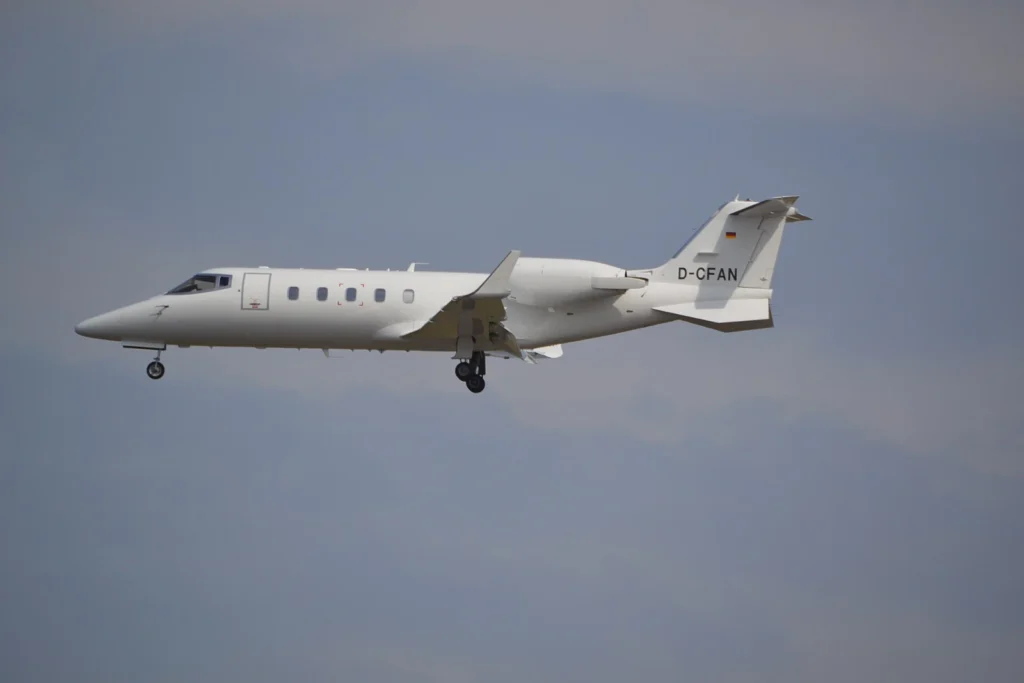
The Learjet 60 crash in Palm Beach County, Florida, on November 1, 2026 took the lives of all nine people on board. As pilots, we owe it to them to be careful with the facts. The investigation is still early, no probable cause has been determined, and this article only repeats what the NTSB and news reports have said so far, followed by general lessons learned that apply to any pilot. Treat the details as a snapshot and check the NTSB for updates.
What We Know So Far
According to reporting on the NTSB’s news conference, the Learjet 60, operated by Aurora Aviation doing business as Upper Jets, departed Austin-Bergstrom International Airport in Texas on a flight to North Eleuthera in the Bahamas. Two crew members and seven passengers were aboard. The crash happened around 12:51 p.m. Eastern near Greenacres and Palm Springs, Florida, and one person on the ground suffered a leg injury.
The NTSB said that shortly before the accident the crew told air traffic control they were encountering light clear icing that they considered manageable, along with moderate turbulence and altitude deviations of roughly 700 feet. The crew then reported precipitation and asked for a higher altitude, which was approved. Soon after, the crew reported a descent, then an overspeed condition, and made a mayday call. Later communications indicated a rapid loss of altitude.
What Investigators Are Still Working On
Several important questions remain open:
- Cause. The NTSB has not determined a probable cause.
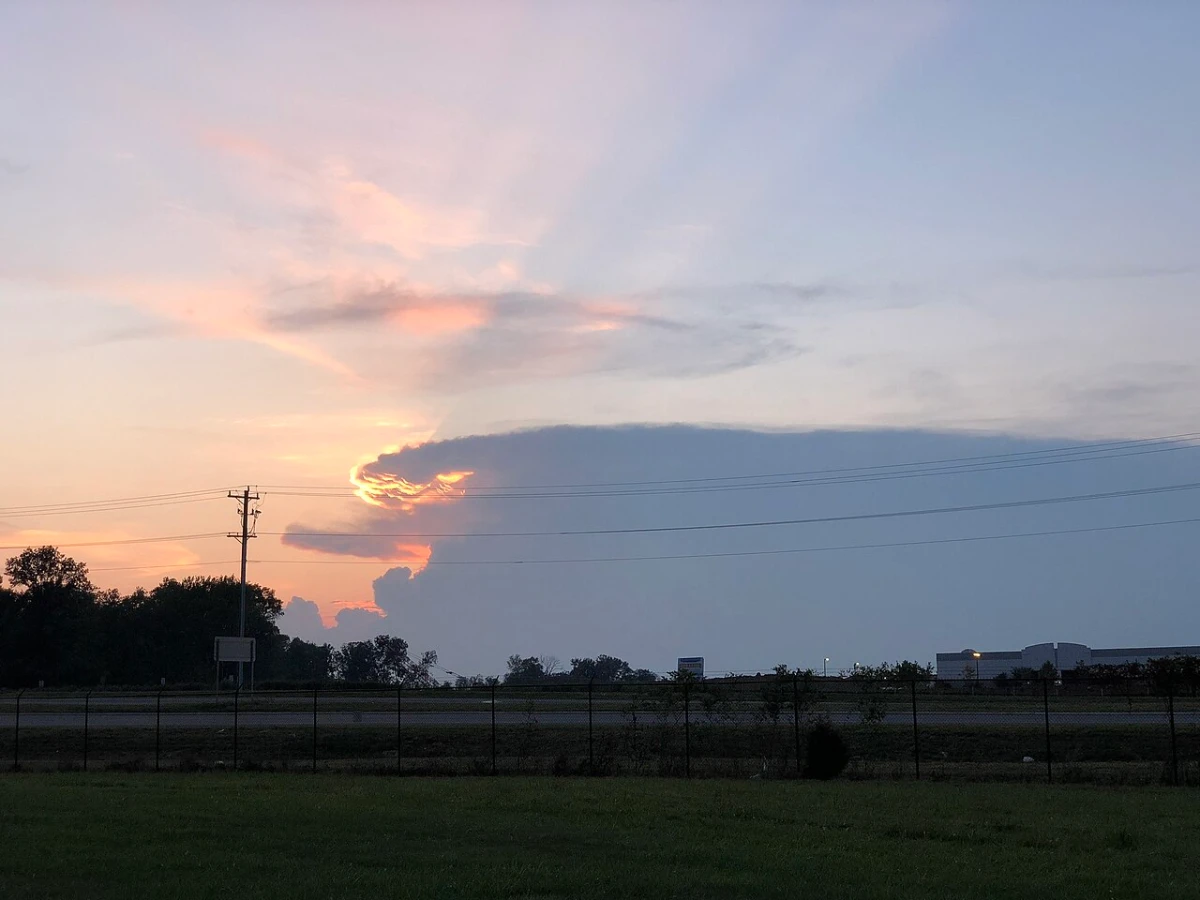
- Weather. Icing, turbulence and precipitation are being examined, and the NTSB has not confirmed whether the airplane entered an active thunderstorm.
- Structure. Investigators have said there are indications the airplane may have been breaking apart before impact, and that is still being studied.
- Recorders. Whether the cockpit voice recorder was aboard and can be recovered was not confirmed in early reports.
A preliminary NTSB report with facts only is typically issued within about 30 days, and a final report with probable cause often takes 12 to 18 months or longer. Speculating about cause before then does a disservice to everyone involved.
Lessons Learned for Pilots
These are general takeaways, not findings about this accident. They are the reminders I take from any serious weather-related event:
- Weather planning does not end at takeoff. Keep updating your picture of what lies ahead using every source you have. My guide on aviation weather for pilots is a good refresher.
- Deviate early. If radar, reports or the sky suggest convective weather ahead, an early route change is far easier than a late one. Ask ATC for options before you need them.
- Know your airplane’s limits. Speeds for turbulence penetration and the effects of icing are in the approved flight manual, so review them before you need them.
- Report conditions and ask for help. Clear communication with controllers gives them the chance to assist, and the crew in this case did communicate their situation.
- Write your own limits down. Personal rules made on the ground are easier to follow than decisions made in a moment of pressure. See my piece on personal minimums.
Decision Making Under Pressure
Whatever the final report says, accidents like this remind us that good decisions are built before the flight. Briefing the weather honestly, agreeing on who does what if things go wrong, and being willing to change the plan are habits you can practice on any flight. I wrote about the mental side in pilot decision making, and it applies whether you fly a trainer or a jet.
Bottom Line
Our thoughts are with the families and everyone affected by this accident. The most useful thing we can do is stay patient while the investigators work, avoid guessing at causes, and let the lessons we already know shape our own flying: respect weather, plan early exits and know your limits. Follow the investigation through the NTSB, and verify current information against official sources.