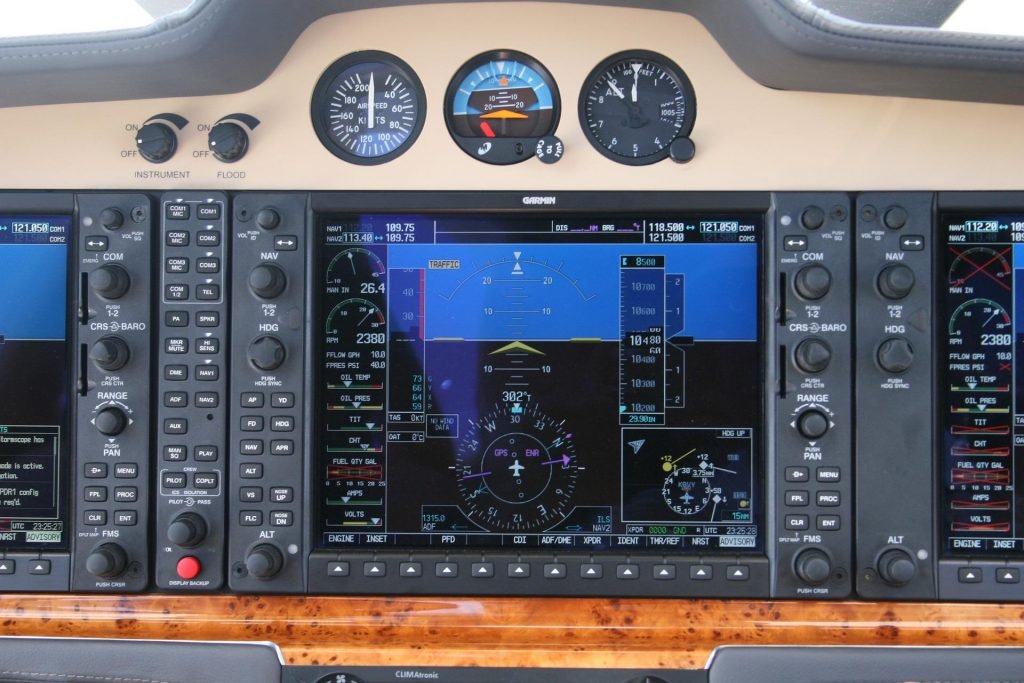
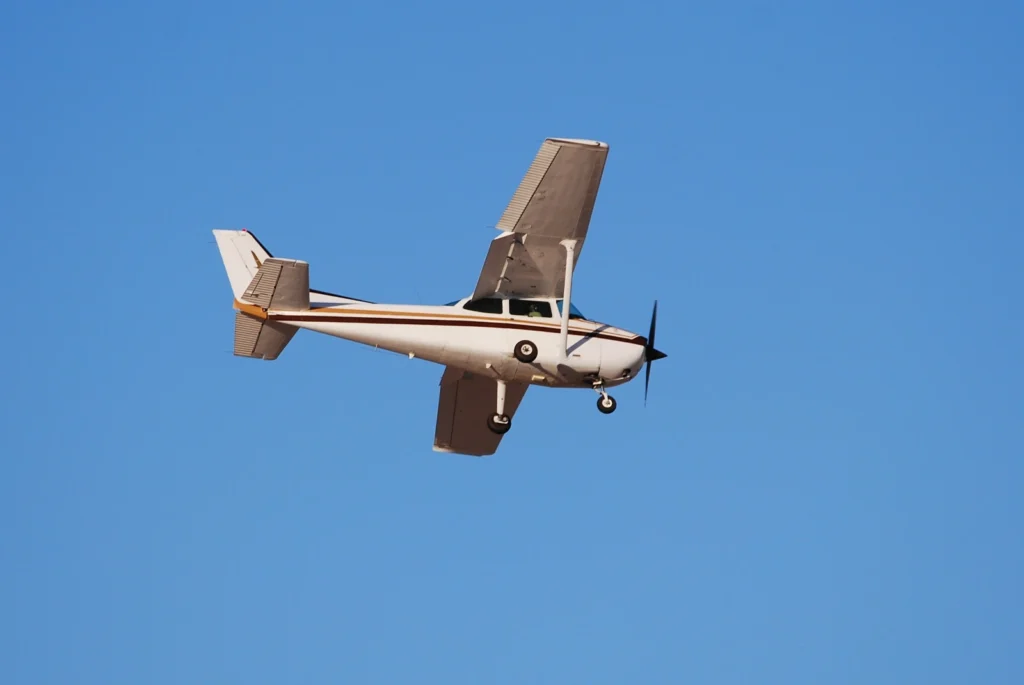
Slow flight practice is the maneuver that finally made airspeed, pitch and power click together for me as a student. If you are working toward your private certificate, slow flight practice is more than a box to check: it is a safe, high-altitude rehearsal of what your airplane does on every approach, every short-field landing and every go-around. Here is how I think about it and how to get more out of each lesson.
What Slow Flight Is Actually Teaching You
The goal is to fly the airplane at an airspeed just above the point where it would stall, while holding altitude, heading and a steady configuration. It sounds simple. In practice, the airplane feels mushy, the controls feel light and sloppy, and small errors grow quickly. That is exactly the point. You learn to recognize the feel of a wing working hard, long before a stall warning ever sounds.
Most of what you will practice shows up again in the pattern. When you are slowing down to land, you are living in this same corner of the envelope, only closer to the ground.
Set Yourself Up Before You Start
A good maneuver begins with a good setup. These are the habits I rely on:
- Pick a safe altitude. Start high enough that you could recover with plenty of room to spare, and follow your instructor and the practice standards you are training to.
- Clear the area. Make clearing turns and look carefully for traffic before you slow down.
- Complete your pre-maneuver checks. Use your checklist or flow so nothing is left to memory.
- Pick a reference. A road, a field edge or a distant landmark helps you hold heading.
Power, Pitch and Trim Working Together
The classic mistake is chasing altitude with the elevator alone. As you reduce power and raise the nose to slow down, you will need to add power again to hold altitude. Pitch controls airspeed, power controls altitude, and the two interact constantly at slow speeds.
My routine looks like this:
- Reduce power smoothly and hold altitude with back pressure as the airplane slows.
- Add flaps as your instructor or the aircraft handbook directs, trimming as you go.
- As you approach your target speed, add power to maintain level flight.
- Trim so the airplane holds the attitude without heavy pressure on the yoke.
Trim is the part students forget. If you are fighting the controls, you are working too hard and your inputs will get rough. Let the airplane carry the load.
Rudder Is Not Optional
At slow speeds the ailerons become less effective and adverse yaw gets more noticeable. Your feet do a lot of the work. When you roll into a gentle turn in slow flight, coordinate with rudder and keep the ball centered. If one wing starts to drop, resist the urge to correct it with aileron alone. Use rudder to level the wings and lower the nose slightly. This habit pays off later when you practice crosswind landings, as covered in my guide on crab versus slip technique.
Common Mistakes I See (and Made)
- Fixating on the airspeed indicator. Look outside, use the attitude, and cross-check the instruments.
- Letting altitude drift. Small altitude losses signal that power or pitch needs adjusting, so correct early.
- Over-controlling. The airplane responds slowly, so give each input a moment to take effect.
- Forgetting the recovery. Practice recovering promptly: add power, lower the nose as needed, and clean up the configuration step by step.
Weight, temperature and altitude change how the airplane performs, so what you see on a cool morning can differ from a hot afternoon. My piece on density altitude explains why.
Connecting Slow Flight to the Pattern
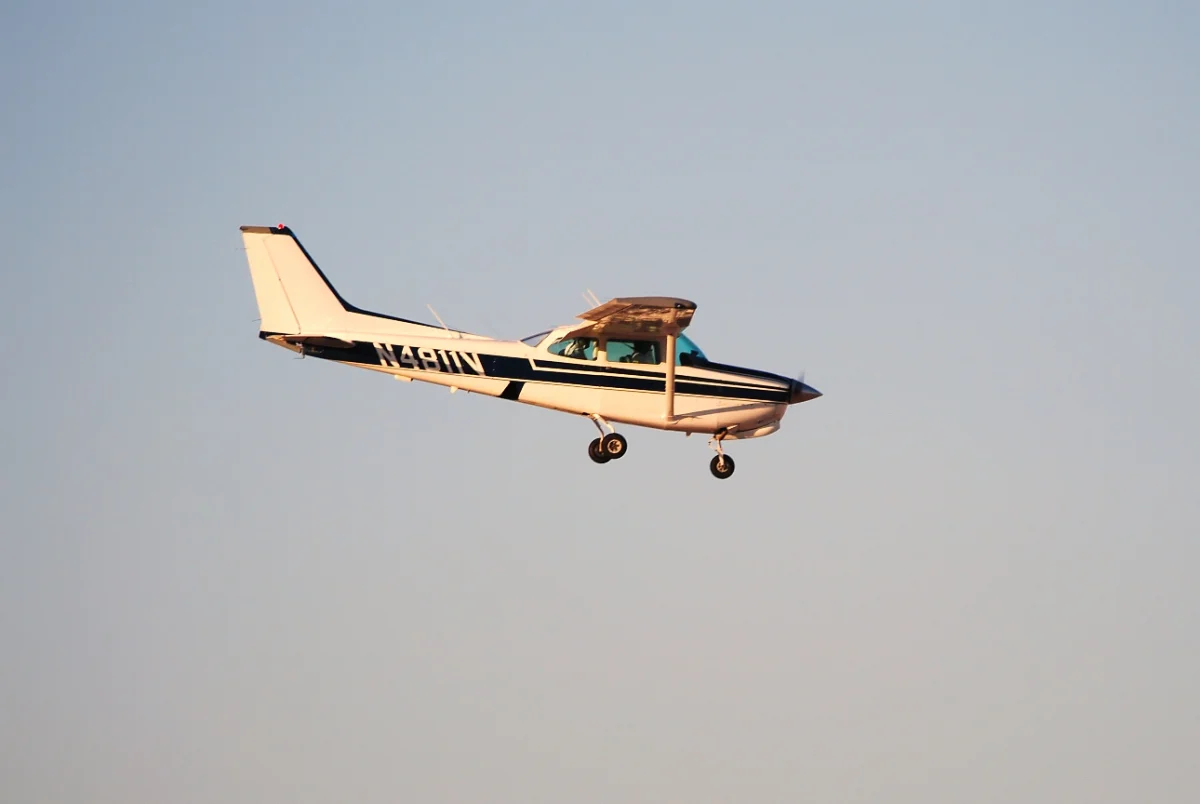
Once slow flight feels comfortable, you will start to notice the same sight picture and control feel on final approach. That awareness is what helps you decide when an approach is not working. If you want to build that judgment, read my article on the go-around decision point. And if you are heading toward your first solo, my first solo tips cover what to expect.
It is also fun to look at the airplane you train in from the outside. If you like keepsakes from your training days, a few handcrafted aircraft models from Modelworks Direct can make a nice desk reminder of the airplane that taught you.
Bottom Line
Slow flight is a confidence builder disguised as a maneuver. Set up carefully, coordinate your feet, trim the airplane and watch your altitude. Your instructor and your aircraft handbook are the final word on speeds, configurations and procedures for your airplane, so follow them and verify requirements against current FAA sources. Practice it until the mushy feeling stops being scary and starts being familiar.