
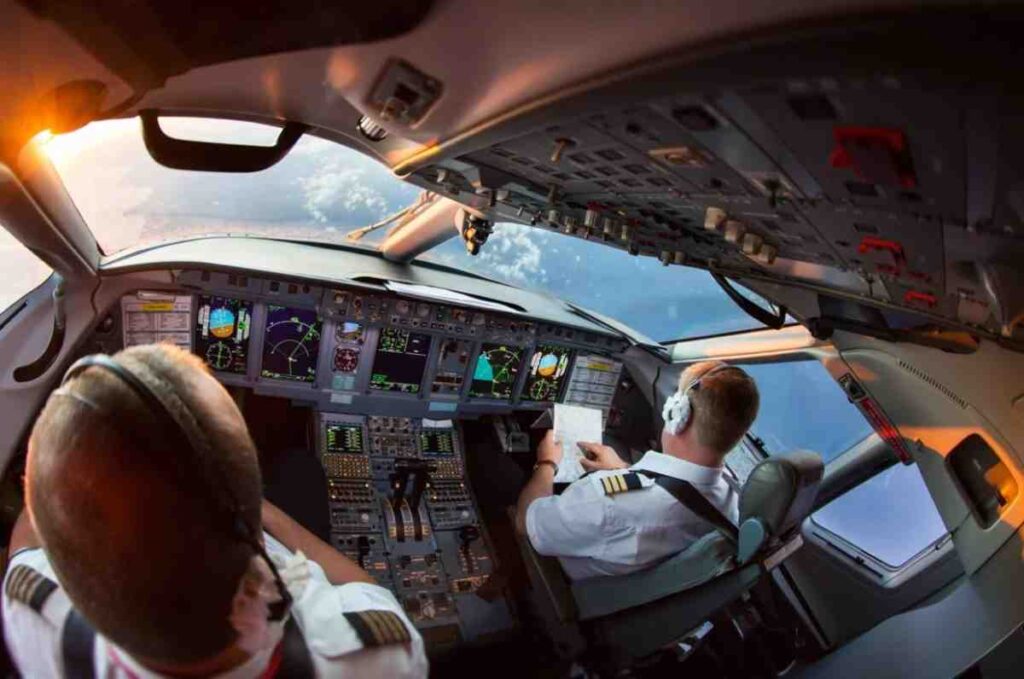
Every aircraft, whether a small trainer or a wide-body jet, depends on a carefully arranged set of instruments and levers that allow the pilot to command flight. Cockpit controls form the nerve center of any airplane, translating human intention into mechanical or electronic action. Without them, even the most advanced airframe would be nothing more than a shell sitting on a runway. These controls manage everything from altitude and speed to engine output and navigation, making them the single most important interface between a pilot and the machine. Learning how cockpit controls are organized helps new aviators build confidence, while seasoned pilots rely on muscle memory built around these same layouts to react instantly during critical phases of flight.
The Primary Flight Controls
At the heart of any cockpit sits the primary flight control group, typically made up of the control yoke or side-stick, rudder pedals, and throttle quadrant. These cockpit controls directly influence the aircraft’s pitch, roll, and yaw. Pulling back on the yoke raises the nose, while pushing forward lowers it. Turning the yoke or moving a side-stick left and right controls roll, tilting the wings into a bank. Rudder pedals, operated by the feet, coordinate turns and counteract adverse yaw. Together, these elements allow a pilot to fly smoothly through turbulence, execute precise turns, and maintain stability during takeoff and landing, which are often the most demanding moments of any flight.
Engine and Power Management Systems
Beyond directional movement, cockpit controls also regulate engine performance. Throttle levers adjust thrust output, while mixture controls in piston aircraft manage the fuel-to-air ratio for optimal combustion at different altitudes. Propeller pitch levers, found in more complex aircraft, allow pilots to fine-tune propeller efficiency during climb, cruise, and descent. In jet aircraft, thrust levers serve a similar purpose but interact with computerized engine management systems that automatically adjust fuel flow. These cockpit controls require a pilot’s constant attention, since improper power settings can lead to engine strain, fuel inefficiency, or reduced performance during emergencies. Mastering power management is often considered one of the more nuanced skills in aviation training.
Navigation and Communication Instruments
Modern cockpits are equipped with a dense array of navigation and communication tools that work alongside traditional flight controls. Global positioning systems, radios, transponders, and autopilot panels all fall under this category. While these devices may seem separate from mechanical cockpit controls, they are deeply integrated into the overall control philosophy of the aircraft. Pilots must switch between manual and automated modes seamlessly, often adjusting navigation controls while simultaneously managing altitude or speed. Communication panels also allow pilots to coordinate with air traffic control, ensuring safe separation from other aircraft. The integration of these systems with primary cockpit controls has become a defining feature of contemporary aviation design.
Instrument Panels and Feedback Displays
No discussion of cockpit controls would be complete without addressing the instrument panel itself. Analog gauges have largely given way to digital glass cockpits in most modern aircraft, presenting information through multifunction displays. These panels show airspeed, altitude, heading, engine temperature, and a host of other critical data points. Pilots rely on this visual feedback to make real-time decisions about adjusting cockpit controls. For instance, a rising engine temperature might prompt a pilot to reduce throttle input, while a deviation in heading could require rudder correction. The relationship between instrument feedback and control input forms a continuous loop that defines safe and effective flying.
Landing Gear and Flap Controls
Another essential category involves landing gear levers and flap controls, both of which directly affect aircraft configuration during takeoff, cruise, and landing. Extending flaps increases lift at lower speeds, which is particularly useful during approach and landing phases. Retracting landing gear reduces drag once airborne, improving fuel efficiency and speed. These cockpit controls are usually positioned within easy reach of the pilot, often accompanied by warning lights or audible alerts to prevent configuration errors, such as attempting to land with the gear still retracted. Because these systems are so closely tied to safety, most aircraft include redundant indicators to confirm that flap and gear positions match pilot commands.
Autopilot and Automation Integration
As aviation technology has advanced, autopilot systems have become deeply woven into the fabric of cockpit controls. Rather than replacing manual input, autopilot systems work alongside traditional controls to reduce pilot workload during long flights. Pilots can program altitude, heading, and speed targets, allowing the aircraft to maintain these parameters automatically. However, autopilot does not eliminate the need for active monitoring. Pilots must still understand how to override automated systems quickly if conditions change unexpectedly. This blending of manual and automated cockpit controls has reshaped pilot training, placing greater emphasis on systems knowledge alongside traditional hands-on flying skills.
Emergency and Backup Control Systems
Every well-designed cockpit includes backup systems in case primary controls fail. Emergency cockpit controls might include manual gear extension systems, standby instruments, or alternate hydraulic pathways for flight surfaces. These backups are rarely used but are essential for maintaining safety margins in the rare event of a system malfunction. Pilots train extensively on these emergency procedures, often through simulator sessions that replicate failures without real-world risk. Understanding how backup systems interact with primary cockpit controls ensures that a pilot can maintain control of the aircraft even when standard systems are compromised, reinforcing the layered safety philosophy that underpins modern aviation design.
Ergonomics and Cockpit Layout Design
The physical arrangement of cockpit controls has evolved significantly over the decades, shaped by ergonomic research and pilot feedback. Designers aim to place frequently used controls within easy reach, while less critical systems are positioned slightly farther away. Color coding, tactile differences, and consistent switch placement across aircraft models help reduce pilot error, especially during high-stress situations. This thoughtful design philosophy recognizes that cockpit controls are not just mechanical devices but tools that must accommodate human limitations, including reaction time and cognitive load. As cockpits become more digitized, ergonomic design continues to prioritize intuitive layouts that minimize the mental effort required to locate and operate essential controls.
Training and Skill Development for Pilots
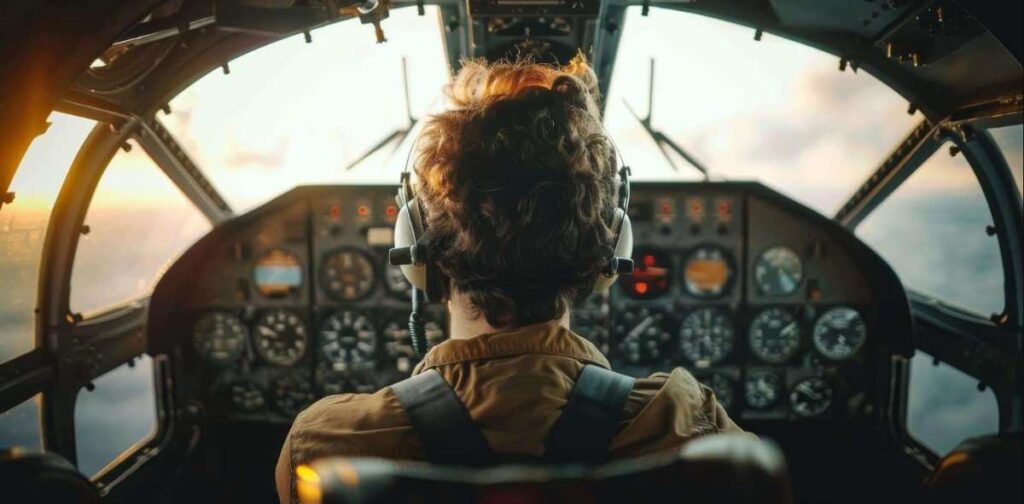
Learning to operate cockpit controls effectively takes considerable time and repetition. Flight schools emphasize building familiarity through ground instruction before students ever step into an aircraft. Simulators play a major role in this process, allowing trainees to practice control inputs without the pressures of actual flight. Over time, pilots develop an intuitive sense for how much pressure or movement each control requires to achieve a desired outcome. This skill development extends beyond basic operation, encompassing scenario-based training where pilots must manage multiple cockpit controls simultaneously under simulated pressure, such as engine failures or sudden weather changes. Strong foundational training ultimately shapes safer, more confident aviators.
The Future of Cockpit Control Technology
Looking ahead, cockpit controls are likely to continue evolving alongside advancements in automation, sensor technology, and human-machine interfaces. Touchscreen displays, voice-activated commands, and enhanced haptic feedback systems are already appearing in newer aircraft designs. These innovations aim to reduce pilot workload further while maintaining the reliability that traditional mechanical controls have long provided. However, industry experts generally agree that fully replacing manual cockpit controls with automated systems remains unlikely in the near future, given the importance of human oversight during unexpected situations. Instead, future designs will likely blend traditional control philosophy with smarter, more responsive technology.
Conclusion
Cockpit controls remain the foundation of safe and effective flight, bridging the gap between human decision-making and mechanical performance. From primary flight controls to advanced autopilot systems, each component plays a distinct role in ensuring an aircraft responds predictably to pilot input. As technology continues to advance, the core principles behind cockpit controls, precision, reliability, and intuitive design, remain unchanged. Whether examining a small training aircraft or a modern commercial airliner, understanding cockpit controls offers valuable insight into how aviation safely moves people and cargo across the globe every single day.

