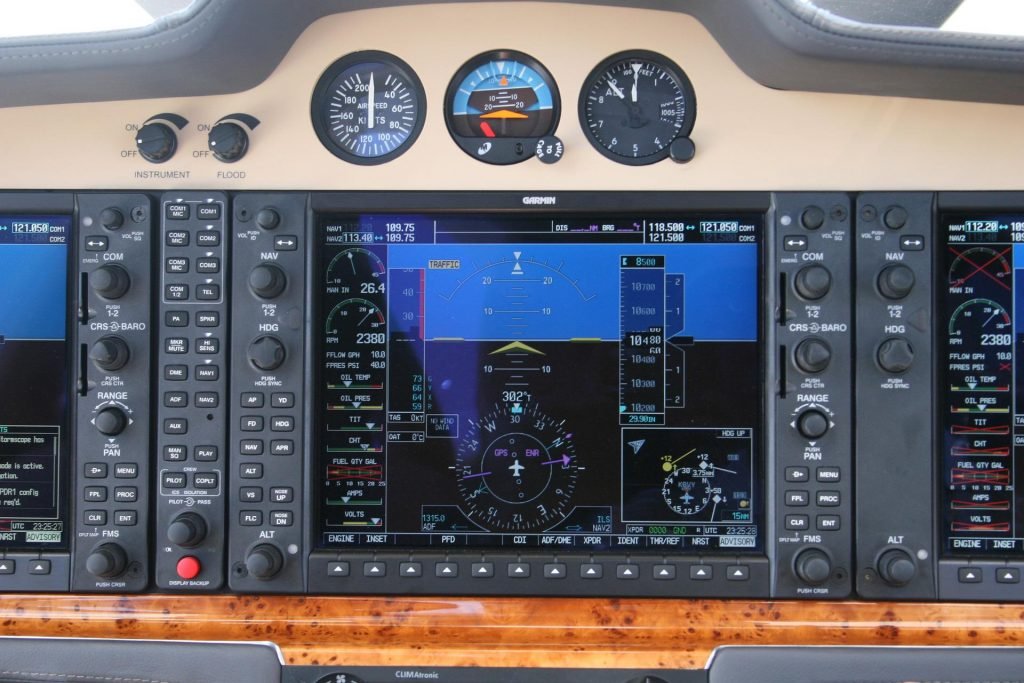
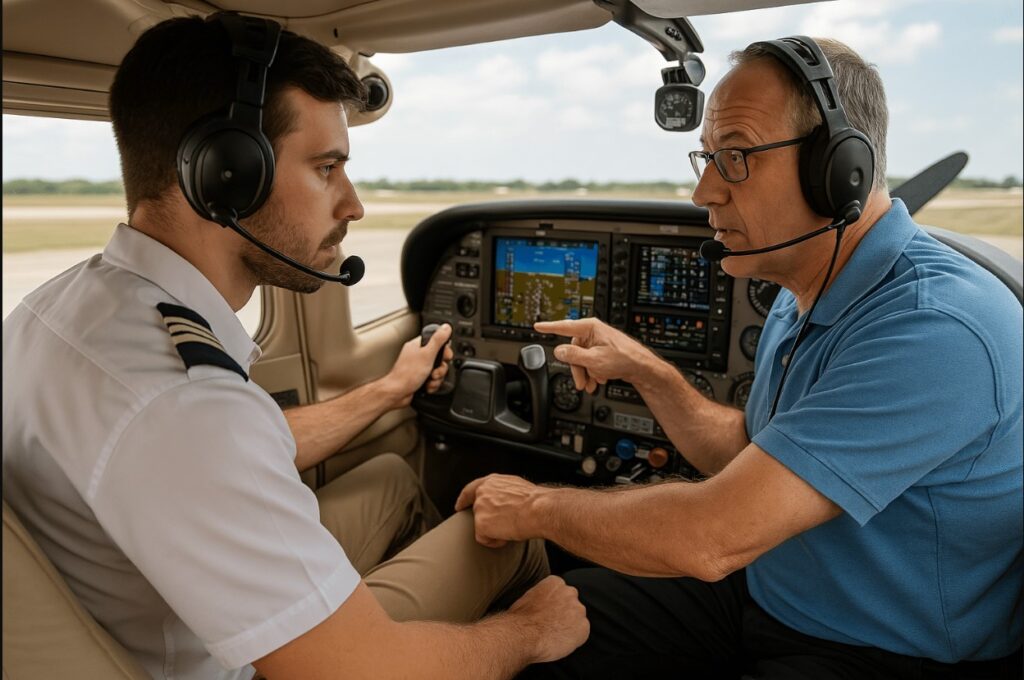
A Flight Instructor plays a vital role in the aviation industry by training aspiring pilots to operate aircraft safely and confidently. These professionals combine technical expertise with teaching abilities to help students understand aviation principles, navigation, aircraft systems, weather conditions, and emergency procedures. Their responsibilities extend beyond simply teaching students how to fly. They also inspire confidence, develop sound decision-making skills, and ensure future pilots meet strict aviation standards. Whether training private pilots, commercial aviation candidates, or advanced aviation professionals, instructors create a strong foundation for safe flight operations. Their dedication directly contributes to improving aviation safety while preparing students for successful careers in an industry where precision, responsibility, and continuous learning are essential.
Educational Requirements and Certifications
Becoming a Flight Instructor requires dedication, structured education, and practical flying experience. Most candidates begin by earning a private pilot certificate before progressing to commercial pilot certification. After accumulating the required flight hours, they pursue specialized instructor certification, which focuses on teaching techniques, aviation regulations, lesson planning, and student evaluation. Knowledge of aerodynamics, aircraft performance, navigation, and meteorology is essential throughout the training process. Candidates must also pass written examinations, practical flight assessments, and instructor evaluations. Continuous education remains important because aviation regulations and technology continue evolving. Successful instructors regularly update their knowledge through refresher courses, simulator practice, and professional development programs to maintain high instructional standards.
Essential Skills Every Flight Instructor Needs
Technical flying knowledge alone is not enough to become an effective Flight Instructor. Excellent communication skills help instructors explain complex aviation concepts in a clear and understandable manner. Patience is equally important because every student learns at a different pace. Strong leadership encourages confidence while maintaining discipline and safety throughout each lesson. Problem-solving abilities enable instructors to address unexpected situations calmly during training flights. Time management helps organize lesson schedules, ground school sessions, and practical exercises efficiently. Adaptability is another valuable quality because weather changes, aircraft availability, and student performance often require flexible planning. Above all, professionalism and commitment to aviation safety remain the defining characteristics of outstanding instructors.
Daily Responsibilities in Flight Training
The daily routine of a Flight Instructor combines classroom education with practical flying sessions. Before each lesson, instructors review weather forecasts, inspect aircraft, prepare training materials, and discuss learning objectives with students. During flights, they monitor aircraft performance while allowing students to practice maneuvers under close supervision. They demonstrate proper procedures for takeoff, landing, navigation, communication, and emergency response. After every lesson, instructors evaluate performance, identify strengths, and recommend improvements. Administrative responsibilities include maintaining accurate student records, documenting flight hours, scheduling lessons, and ensuring compliance with aviation regulations. Every activity emphasizes safety, continuous improvement, and professional development, making each training day both rewarding and challenging.
Importance of Safety in Flight Instruction
Safety forms the foundation of every lesson conducted by a Flight Instructor. Students must develop habits that prioritize risk assessment, proper planning, and adherence to aviation procedures. Instructors teach thorough pre-flight inspections, weather analysis, fuel management, communication protocols, and emergency preparedness from the very beginning. They encourage disciplined decision-making instead of overconfidence, helping students recognize potential hazards before they become serious problems. Simulated emergency exercises prepare future pilots to respond calmly under pressure. Continuous supervision allows instructors to correct mistakes immediately while reinforcing safe operating practices. By maintaining high safety standards throughout training, instructors contribute significantly to reducing aviation incidents and producing competent, responsible pilots.
Career Opportunities and Professional Growth
Working as a Flight Instructor opens numerous career opportunities within the aviation industry. Many instructors begin their careers at flight schools before advancing to airline training departments, aviation academies, corporate aviation organizations, or government training institutions. The role also provides valuable flight experience that helps pilots qualify for commercial airline positions. Some instructors specialize in advanced aircraft, instrument flying, or multi-engine training, while others become examiner-authorized professionals responsible for evaluating pilot certifications. Continuous learning and accumulating flight hours often lead to leadership positions, including chief instructor or aviation training manager. The experience gained through instruction remains highly respected across all aviation sectors.
Modern Technology in Flight Training
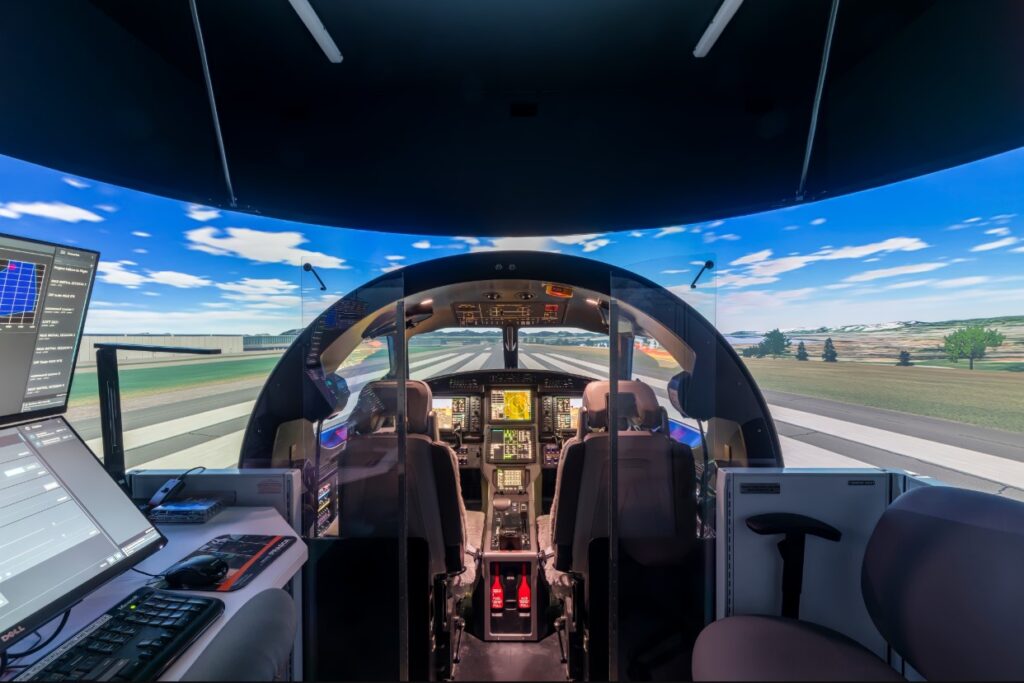
Technology has transformed the responsibilities of today’s Flight Instructor by introducing advanced teaching tools that improve learning efficiency. High-quality flight simulators allow students to practice procedures repeatedly without leaving the ground, making training more cost-effective and safer. Digital flight planning software helps students understand navigation, weather interpretation, and route optimization. Electronic training records simplify progress tracking while interactive educational resources enhance classroom instruction. Virtual reality and scenario-based simulations expose students to challenging flight conditions in controlled environments. Although technology provides valuable support, experienced instructors remain essential because they interpret student performance, offer personalized guidance, and teach judgment that cannot be fully replicated by software alone.
Challenges Faced During Flight Instruction
Teaching aviation presents unique challenges that require resilience and professionalism. Every Flight Instructor works with students who possess different learning styles, confidence levels, and previous experiences. Weather delays can interrupt carefully planned schedules, while aircraft maintenance may require last-minute adjustments. Instructors must balance safety with providing enough practical experience for meaningful learning. Some students may struggle with specific maneuvers, requiring instructors to develop creative teaching methods that build understanding without causing frustration. Maintaining concentration during repetitive lessons also demands discipline because instructors remain responsible for aircraft safety at every moment. Successfully overcoming these challenges develops stronger teaching skills and enhances overall aviation professionalism.
Qualities That Make an Outstanding Flight Instructor
Exceptional instructors consistently combine technical excellence with genuine enthusiasm for teaching. They encourage questions, provide constructive feedback, and create a supportive learning environment where students feel comfortable making mistakes and learning from them. A successful Flight Instructor remains calm during stressful situations and demonstrates professionalism through every lesson. Strong observational skills allow instructors to identify small errors before they become unsafe habits. Integrity, accountability, and commitment to continuous improvement further distinguish outstanding aviation educators. They understand that every student represents the future of aviation, motivating them to maintain high instructional standards while helping learners achieve both personal and professional aviation goals.
Conclusion
The profession of a Flight Instructor is far more than teaching people how to operate an aircraft. It involves shaping responsible pilots, promoting aviation safety, and building the confidence required for successful flying careers. Through technical expertise, effective communication, and unwavering commitment to safety, instructors prepare students to meet the demanding standards of modern aviation. As technology continues to improve flight training, the need for knowledgeable and experienced instructors remains stronger than ever. For individuals passionate about aviation and education, this career offers meaningful work, continuous professional growth, and the opportunity to make a lasting impact on the next generation of skilled pilots.