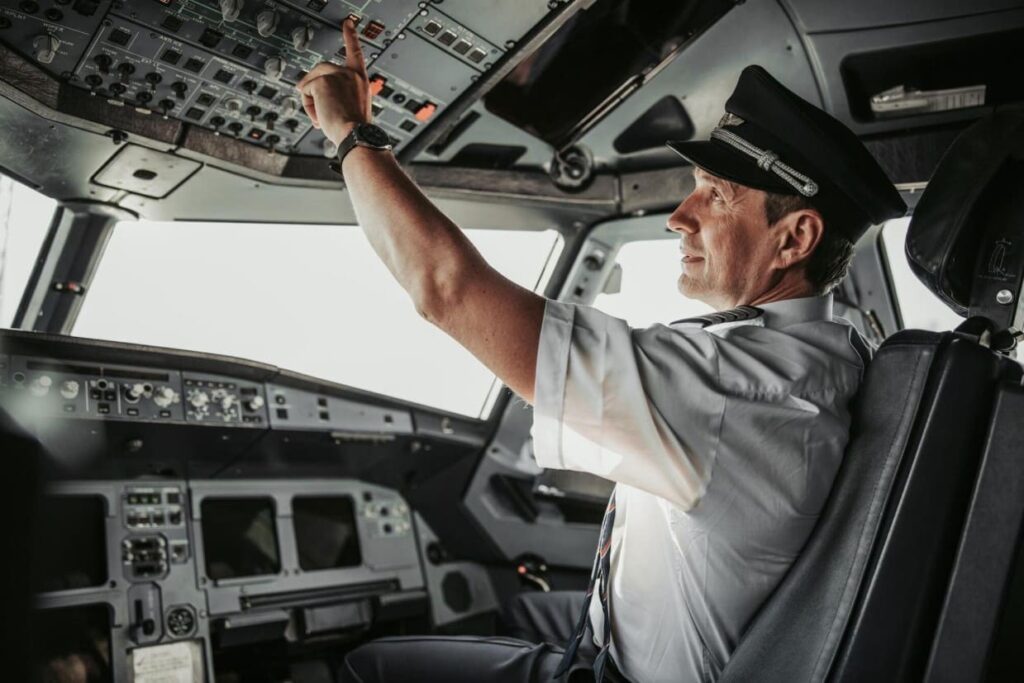
An Aircraft Captain is the highest-ranking pilot responsible for the safe operation of an aircraft from departure to arrival. Every commercial or private flight relies on the captain’s leadership, technical expertise, and decision-making abilities to ensure passenger safety and operational efficiency. While modern aircraft feature advanced automation, the captain remains the ultimate authority in the cockpit, making critical decisions during changing weather, emergencies, and complex flight conditions.
The aviation industry demands exceptional professionalism, and becoming an Aircraft Captain requires years of dedication, training, and flying experience. Beyond technical flying skills, captains must communicate effectively with crew members, coordinate with air traffic control, and manage unexpected situations calmly. Their responsibilities extend far beyond flying, making them one of the most respected professionals in the aviation world.
Key Responsibilities of an Aircraft Captain
The primary responsibility of an Aircraft Captain is ensuring the safety of everyone onboard. Before each flight, the captain carefully reviews weather forecasts, flight plans, fuel requirements, aircraft performance, and operational limitations. Every detail is examined to reduce risks before takeoff.
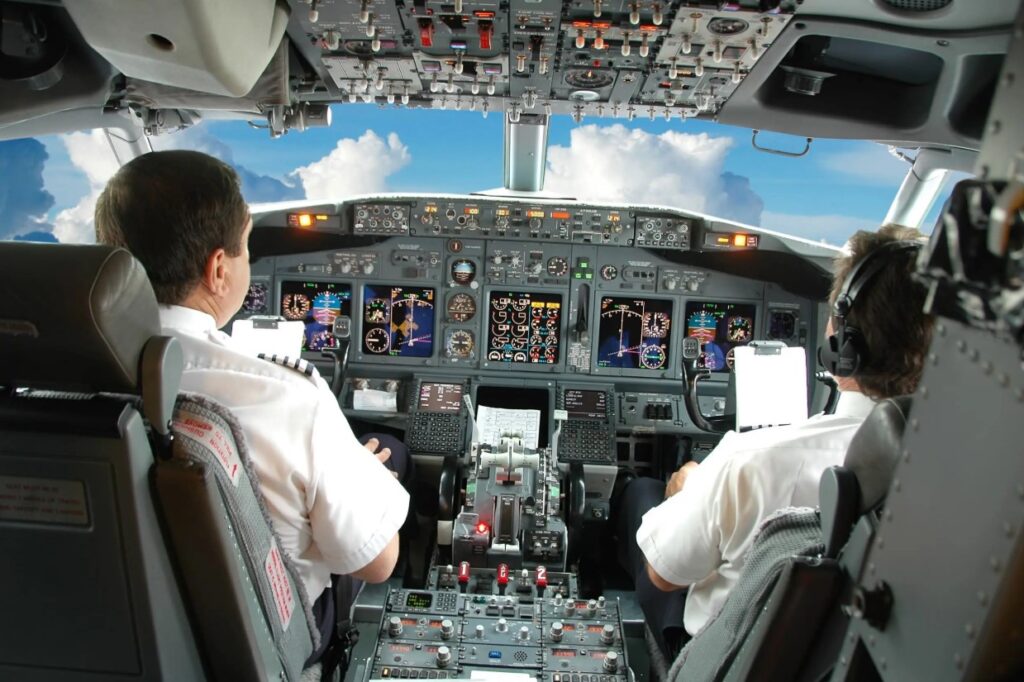
During flight, the captain supervises the first officer, cabin crew, and overall aircraft operation. They maintain communication with air traffic controllers, monitor aircraft systems, and make adjustments when weather or traffic conditions change. If emergencies occur, the captain leads the response while following established aviation procedures.
After landing, captains complete flight reports, record technical observations, and communicate maintenance concerns when necessary. Their attention to detail helps airlines maintain high safety standards and operational reliability.
Essential Skills Every Aircraft Captain Needs
Success as an Aircraft Captain depends on mastering both technical and interpersonal skills. Flying modern aircraft requires extensive knowledge of navigation systems, aircraft performance, meteorology, aviation regulations, and emergency procedures.
Strong leadership is equally important. Captains must inspire confidence among crew members while maintaining discipline and professionalism. Effective communication ensures everyone understands their responsibilities throughout the flight.
Problem-solving skills are crucial because aviation conditions can change rapidly. Weather disturbances, equipment warnings, airport congestion, or medical emergencies require quick thinking and calm decision-making. Emotional stability allows captains to remain composed even under significant pressure.
Time management, situational awareness, teamwork, and continuous learning are also essential qualities that distinguish experienced aviation professionals from average pilots.
Education and Training Required
Becoming an Aircraft Captain is a gradual process requiring years of education, certification, and practical experience. Most aspiring pilots begin by obtaining a private pilot license before progressing to commercial pilot certification. Advanced instrument ratings and multi-engine qualifications further expand their capabilities.
Airline pilots must complete extensive simulator training, classroom instruction, and flight assessments. They spend thousands of hours flying as first officers before meeting eligibility requirements for captain promotion.
Training never truly ends in aviation. Captains regularly participate in simulator sessions, emergency drills, recurrent evaluations, and medical examinations to maintain their certifications. Continuous education ensures they remain familiar with evolving aviation technology and international safety regulations.
Airlines invest heavily in pilot development because highly trained captains contribute directly to passenger safety and operational excellence.
Daily Duties Before, During, and After Flight
Every working day begins long before passengers board the aircraft. Captains attend flight briefings, analyze weather reports, review aircraft maintenance records, and coordinate with dispatch teams regarding the planned route.
During boarding, they verify aircraft readiness while ensuring cabin crew members complete safety preparations. Once airborne, captains continuously monitor engine performance, navigation systems, fuel consumption, and weather developments. They also coordinate closely with the first officer to maintain efficient cockpit resource management.
After landing, responsibilities continue through post-flight inspections, operational documentation, and discussions with maintenance personnel if technical issues are identified. These routine procedures help maintain consistent safety standards across every flight operation.
Although passengers often see only the flight itself, much of a captain’s work occurs before takeoff and after landing.
Career Growth and Promotion Opportunities
The journey toward becoming an Aircraft Captain typically starts with entry-level flying positions. New commercial pilots often build flight hours through regional airlines, charter operations, cargo services, or flight instruction before joining major airlines.
Promotion depends on several factors, including total flight hours, performance evaluations, leadership ability, safety record, and company seniority. Once promoted, captains may operate larger aircraft on domestic or international routes.
Experienced captains can eventually advance into management positions such as chief pilot, flight operations manager, aviation instructor, training captain, or safety investigator. Some transition into aviation consulting, regulatory organizations, or aircraft manufacturing companies.
The aviation industry offers rewarding long-term career paths for professionals committed to maintaining exceptional safety and operational standards.
Challenges Faced by an Aircraft Captain
Despite the prestige associated with the profession, the role presents many challenges. Long working hours, changing schedules, international travel, and irregular sleep patterns require excellent physical and mental endurance.
Weather conditions remain one of aviation’s greatest variables. Storms, turbulence, snow, fog, and strong crosswinds require constant monitoring and professional judgment. Mechanical issues, although uncommon, demand immediate attention and precise decision-making.
Captains also manage passenger expectations during delays or diversions while ensuring crew morale remains positive. Balancing operational efficiency with uncompromising safety standards requires experience and confidence developed over thousands of flight hours.
Additionally, regular medical examinations, simulator evaluations, and performance reviews ensure captains consistently meet the industry’s demanding standards.
Technology and Modern Aviation Leadership
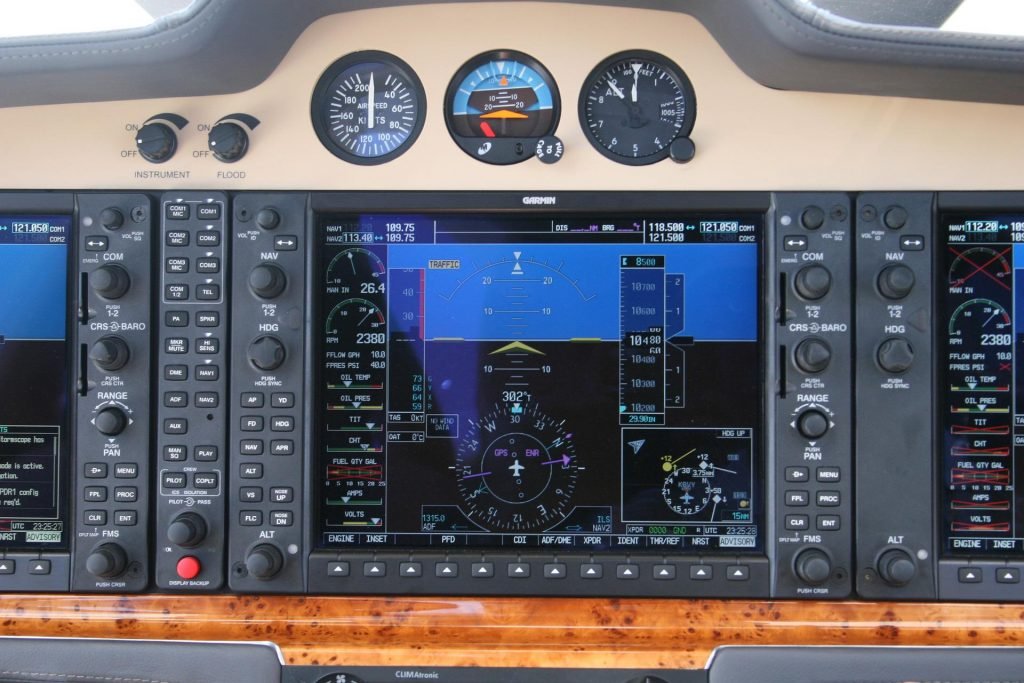
Today’s aircraft feature highly advanced avionics, satellite navigation, automated flight management systems, and sophisticated safety technologies. However, automation supports rather than replaces human expertise.
An experienced Aircraft Captain understands when to rely on automated systems and when manual intervention becomes necessary. Advanced cockpit displays provide valuable information, but interpretation and decision-making remain human responsibilities.
Digital communication systems allow faster coordination with airline operations and air traffic control. Weather radar, predictive terrain warning systems, and enhanced navigation technologies significantly improve situational awareness.
Modern aviation emphasizes Crew Resource Management, encouraging effective collaboration between captains, first officers, cabin crew, maintenance personnel, and ground operations. Strong leadership combined with technological understanding creates safer and more efficient flights.
Why Aircraft Captains Are Essential to Aviation
Every successful flight reflects careful planning, professional execution, and experienced leadership. The Aircraft Captain serves as the central decision-maker responsible for protecting passengers, crew, and valuable aircraft assets throughout every stage of flight.
Beyond technical flying ability, captains represent professionalism, discipline, accountability, and calm leadership. Their expertise builds passenger confidence while supporting the broader aviation industry’s commitment to safety.
As global air travel continues expanding, demand for qualified captains remains strong across commercial airlines, cargo operations, corporate aviation, and government organizations. Continuous technological advancement further highlights the importance of skilled professionals who can combine automation with sound human judgment.
Conclusion
The career of an Aircraft Captain represents one of the highest achievements in professional aviation. Years of education, extensive flight experience, rigorous evaluations, and continuous training prepare these professionals to lead aircraft safely through every stage of flight. Their responsibilities include technical expertise, operational planning, crew leadership, risk management, and decisive action during unexpected situations.
Whether operating short domestic routes or long international journeys, an Aircraft Captain remains the final authority responsible for every important decision onboard. Their commitment to safety, precision, and professionalism ensures millions of passengers reach their destinations securely every day. For individuals passionate about aviation, leadership, and lifelong learning, becoming an Aircraft Captain offers an exciting, respected, and highly rewarding career with opportunities for continuous growth and global impact.