
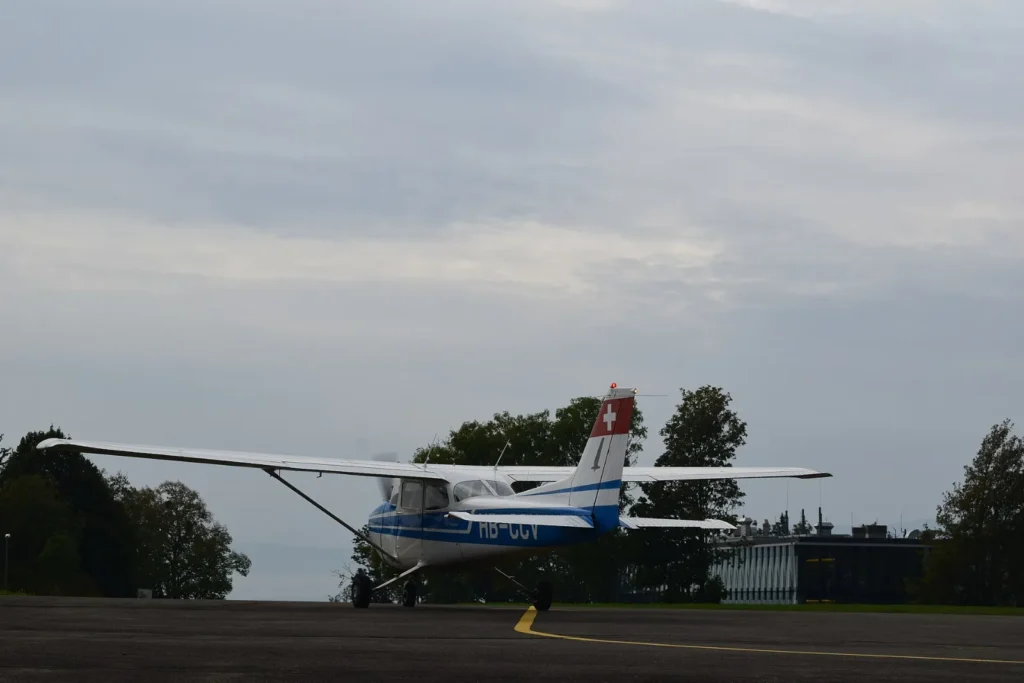
Density altitude is the number that tells you how your airplane is really going to perform, and it is easy to underestimate on a hot day. Most pilots can recite the definition for the written test. Far fewer sit down before a summer departure and work out what the heat and the field elevation are about to take away. This guide covers what density altitude means, how I calculate it, and what I change when the number gets big.
What Density Altitude Actually Means
Density altitude is pressure altitude corrected for temperatures that are not standard. Put simply, it is the altitude your airplane thinks it is at, based on how thin the air is. An airport sitting at 500 feet can have a density altitude of 5,000 feet on a hot afternoon, and the airplane will perform as if it were flying out of a much higher field. The altimeter does not show it, and the runway looks the same, which is exactly why it catches people out.
The Three Things That Change It
Three ingredients decide the answer:
- Pressure altitude: the altitude you read with the altimeter set to 29.92. Higher fields have thinner air from the start.
- Temperature: warm air is less dense, so heat pushes density altitude up. At sea level, a 100 degree Fahrenheit day works out to roughly 2,500 feet of density altitude.
- Humidity: a smaller factor than the other two, but it still matters. The FAA suggests adding about 10 percent to your computed takeoff distance when humidity is high and expecting a weaker climb.
A Quick Way to Calculate It
Your airplane’s performance charts come first, and I always use them when they are available. For a fast sanity check in the planning room, I use a rule of thumb: density altitude is roughly pressure altitude plus 120 feet for every degree Celsius the outside air temperature sits above standard. Standard temperature is 15 degrees Celsius at sea level and falls about 2 degrees for every 1,000 feet you climb.
Here is a worked example. At 7,000 feet pressure altitude, standard temperature is about 1 degree Celsius. If the actual temperature is 18 degrees, that is 17 degrees above standard, and 17 times 120 adds 2,040 feet. Your 7,000 foot field now behaves like a 9,040 foot field. The AOPA density altitude page walks through the same math if you want a second look, and the Wikipedia entry on density altitude covers the physics behind it.
What It Does to Your Airplane
Thin air costs you in almost every phase of flight:
- Takeoff roll: the airplane accelerates more slowly and needs a higher true airspeed to fly, so the roll gets longer. The FAA’s Koch chart example shows how dramatic this gets: at 100 degrees Fahrenheit and 6,000 feet pressure altitude, a takeoff that needs 1,000 feet in standard sea level conditions can stretch to about 3,300 feet.
- Climb: in that same example, a 500 foot per minute climb rate can fall to roughly 120 feet per minute. That is the number that turns a long runway problem into an obstacle problem.
- Engine and propeller: a normally aspirated engine makes less power in thin air, and the propeller bites into less air, so thrust drops.
- Landing: your indicated airspeed does not change, but your true airspeed is higher, so you touch down faster over the ground and need more runway to stop.
Mountain Airports and Hot Afternoons
High fields start with a head start on the problem, and summer heat adds to it. Runways in the mountains are often long and wide for a reason, and a short, hot, high strip can leave very little margin. I find it useful to remember that the trouble is not only at famous high airports. Any field can have a hard afternoon if it is hot enough, and a lightly loaded airplane at sea level can feel very different from the same airplane full of passengers, bags and fuel at 5,000 feet.
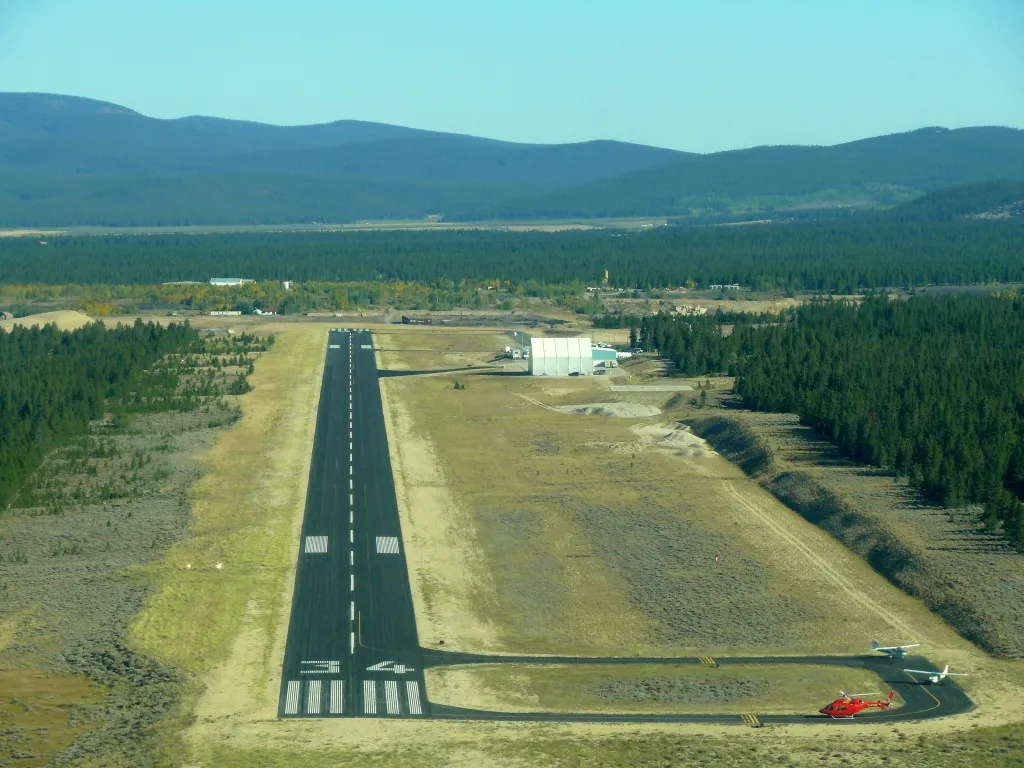
If you like reading about challenging fields, my piece on the hardest airports in the world to land at shows how terrain and elevation shape the way pilots approach them.
How I Plan Around It
When the density altitude number is large, these are the habits I lean on:
- Start with the POH or AFM. The manual’s takeoff and climb charts are the authority for your airplane. Charts like the Koch chart are a backup, not a replacement.
- Fly in the cooler hours. Early morning and late evening usually mean lower density altitude. At hot, high airports, the middle of the day can be the worst time to depart.
- Lighten the load. Reduce weight, think about partial fuel if the mission allows it, and consider carrying fewer passengers or bags.
- Lean for takeoff when the manual says to. The FAA advises leaning a normally aspirated engine for takeoff at high density altitude, and the POH gives your exact procedure. Check yours.
- Set a runway checkpoint. A common technique is to pick a point partway down the runway where you should have a set percentage of takeoff speed, and abort if you are not there. Ask your instructor for the numbers that fit your airplane.
- Decide on the ground. Write density altitude limits into your personal minimums so you are not negotiating with yourself at the hold short line.
- Be ready to stop or go around. A takeoff you do not like is a good reason to abort early, and my guide to the go-around decision point applies to departures as much as arrivals.
It also makes a great topic for your next flight review. My list of flight review ground portion topics includes performance planning, and density altitude is a natural way to practice it.
Bottom Line
Density altitude is simple to calculate and easy to forget. Heat, elevation and humidity make the air thinner, thinner air makes the airplane weaker, and the runway does not get any longer to make up for it. Work out the number before you go, check it against your performance charts, and give yourself extra margin on hot days. Verify numbers and procedures against your airplane’s POH and current FAA guidance before relying on anything here.

