The cockpit is the beating heart of any aircraft, the compact space where pilots make split-second decisions that keep passengers safe. Tucked at the front of the plane, the cockpit houses every critical instrument needed to fly, navigate, and communicate. Whether it belongs to a small private plane or a massive commercial jet, the cockpit design reflects decades of engineering refinement aimed at reducing pilot workload while maximizing safety. Understanding what happens inside a cockpit helps travelers appreciate the complexity behind a smooth flight. This blog explores the history, layout, technology, and future of the cockpit, giving readers a well-rounded view of this fascinating aviation space. By the end, you will see why the cockpit remains central to aviation innovation.
What Is a Cockpit?
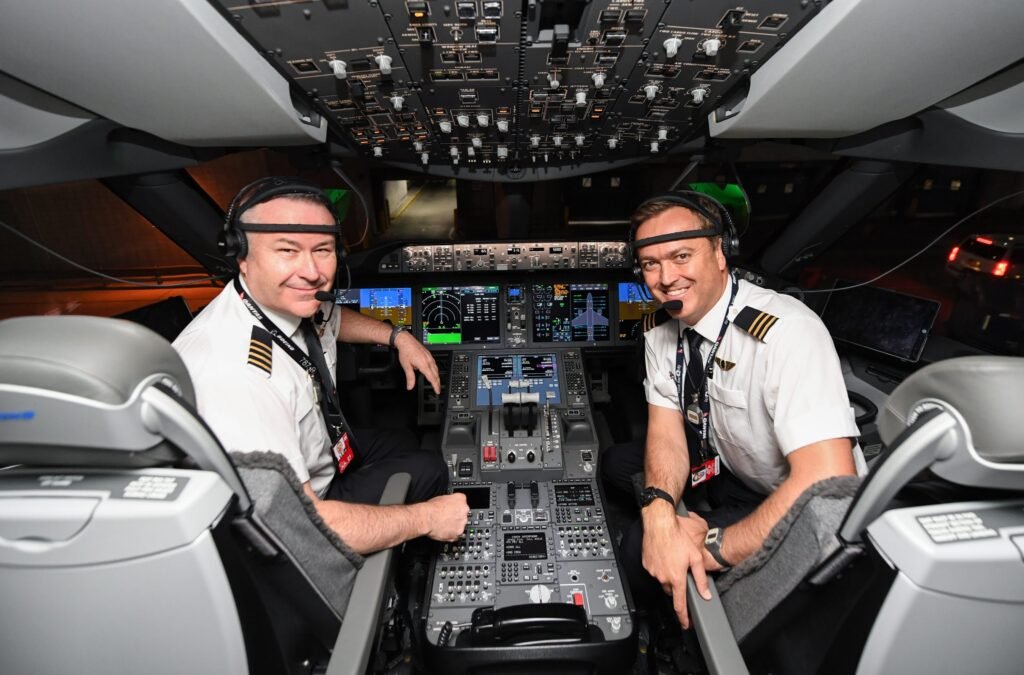
A cockpit is the enclosed area of an aircraft, spacecraft, or certain vehicles where the pilot sits to operate controls. In aviation terms, the cockpit contains flight instruments, throttles, control yokes or sticks, radios, and navigation systems. It is often separated from the passenger cabin by a locked door for security reasons, especially since heightened aviation regulations were introduced. The cockpit is not just a seat; it is a carefully engineered workstation designed for visibility, ergonomics, and quick access to controls. Every dial, switch, and screen inside a cockpit serves a specific purpose, contributing to safe takeoff, cruising, and landing procedures across all flight conditions.
A Brief History of the Cockpit
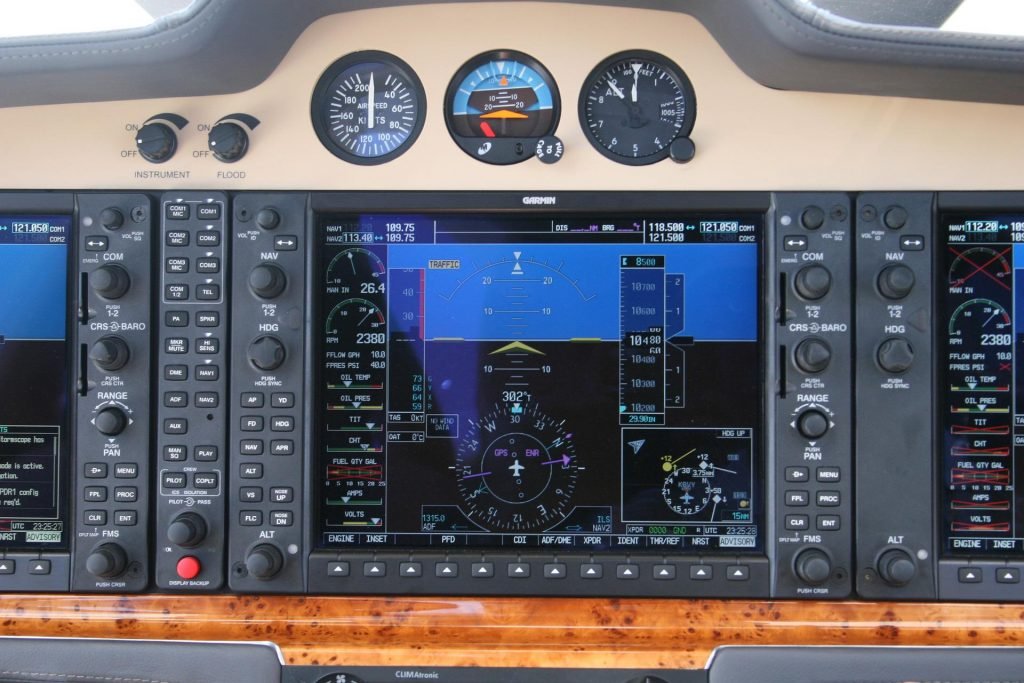
Early aircraft cockpits were simple, open-air compartments with only a handful of gauges. As aviation technology advanced through the twentieth century, the cockpit evolved into an enclosed, instrument-heavy environment. World War II accelerated cockpit innovation, introducing better visibility and more reliable instrumentation. By the 1960s and 1970s, commercial cockpit designs incorporated autopilot systems and radar. The digital revolution of the 1980s transformed the cockpit again, replacing analog dials with electronic displays known as glass cockpits. Today’s cockpit blends decades of lessons learned, combining automation with human oversight. This continuous evolution shows how the cockpit has always adapted to new technology and safety demands.
Key Components Found Inside a Cockpit
Every cockpit, regardless of aircraft size, shares certain essential components that pilots rely on during every phase of flight.
- Flight control yoke or side-stick for maneuvering the aircraft
- Throttle levers to manage engine power
- Primary flight display showing altitude, speed, and attitude
- Navigation display for route and positioning data
- Communication radios for air traffic control contact
- Autopilot control panel for automated flight management
- Landing gear and flap controls for takeoff and landing
- Warning and alert systems for system malfunctions
These components work together seamlessly, allowing the cockpit to function as an integrated command system rather than a collection of separate tools.
Types of Cockpit Designs
Cockpit designs vary significantly depending on the aircraft’s purpose, size, and era of manufacture. Below is a table summarizing the main cockpit types used across aviation today.
| Cockpit Type | Common Aircraft | Key Feature |
|---|---|---|
| Analog Cockpit | Older small planes | Mechanical gauges and dials |
| Glass Cockpit | Modern commercial jets | Digital electronic displays |
| Fly-by-wire Cockpit | Airbus, Boeing 787 | Computer-assisted controls |
| Military Cockpit | Fighter jets | Heads-up display, ejection seat |
| Helicopter Cockpit | Rotorcraft | Cyclic and collective controls |
Each cockpit type reflects specific operational needs, from fuel efficiency in commercial aviation to rapid maneuverability in military aircraft. The cockpit continues to diversify as aircraft technology becomes more specialized.
The Glass Cockpit Revolution
The introduction of the glass cockpit marked one of the most significant shifts in aviation history. Instead of dozens of individual analog instruments, a glass cockpit uses multi-function digital displays that consolidate information into clear, customizable screens. This reduces clutter and helps pilots process data faster during critical moments. Glass cockpit systems also integrate with GPS, weather radar, and traffic collision avoidance systems, giving pilots a more comprehensive picture of their surroundings. Airlines favor the glass cockpit because it lowers training costs, since displays can be standardized across different aircraft models. As sensor technology improves, the glass cockpit will likely incorporate even more predictive analytics for enhanced situational awareness.
Cockpit Ergonomics and Pilot Comfort
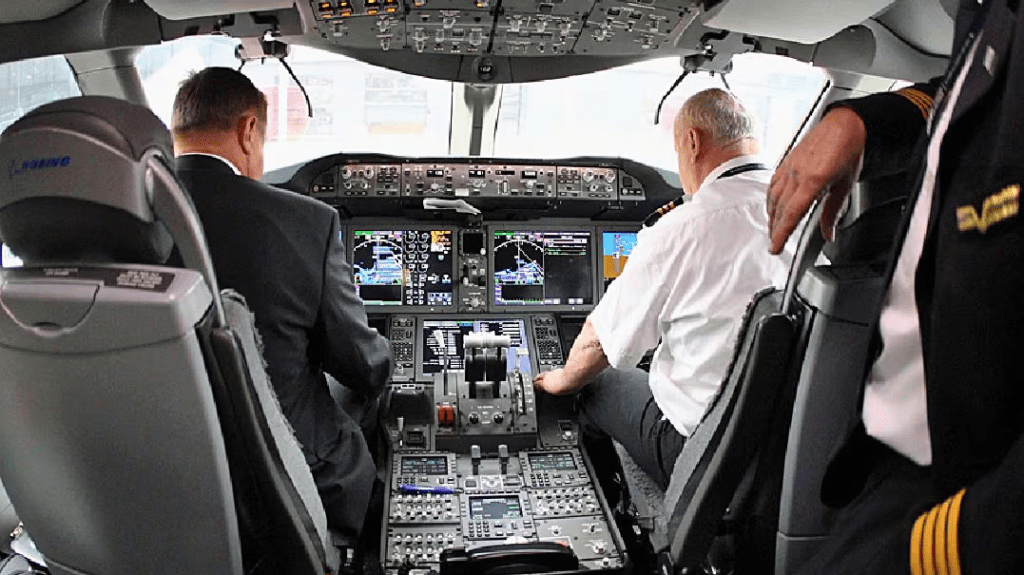
Designing a cockpit involves more than just placing instruments; ergonomics plays a huge role in pilot performance. Engineers study how far a pilot can reach without straining, how visibility angles affect awareness, and how seat positioning impacts fatigue during long-haul flights. A well-designed cockpit reduces unnecessary movement, allowing pilots to focus on flying rather than searching for controls. Lighting adjustments, noise reduction, and climate control also factor into cockpit comfort. Since pilots may spend many consecutive hours inside the cockpit, manufacturers prioritize seat adjustability and minimal physical strain. Ultimately, a comfortable cockpit contributes directly to safer decision-making and reduced pilot error over extended flight durations.
Cockpit Safety Features
Safety remains the top priority in any cockpit design, and modern aircraft include multiple redundant systems to protect against failure.
- Reinforced cockpit doors to prevent unauthorized access
- Dual control systems allowing either pilot to take command
- Terrain awareness and warning systems for collision prevention
- Emergency oxygen systems for cabin depressurization events
- Voice and data recorders for post-flight analysis
- Backup instruments in case of digital system failure
These safety layers ensure that even if one system fails inside the cockpit, backups can maintain safe aircraft operation until the issue is resolved or the flight lands safely.
Automation Inside the Modern Cockpit
Automation has transformed how pilots interact with the cockpit environment. Autopilot systems can manage altitude, speed, and heading, freeing pilots to monitor systems rather than manually control every movement. Flight management computers calculate optimal routes, fuel consumption, and descent profiles automatically. While automation reduces workload, it also requires pilots to stay vigilant, since over-reliance on cockpit automation has been linked to reduced manual flying skills. Modern training programs now emphasize balancing automated cockpit tools with hands-on flying practice. As artificial intelligence advances, future cockpit systems may offer predictive alerts, suggesting corrective actions before a problem even becomes visible to the crew.
The Cockpit in Military and Space Applications
Beyond commercial aviation, the cockpit plays a critical role in military jets and spacecraft. Fighter jet cockpits include heads-up displays projecting vital data directly onto the windshield, allowing pilots to keep their eyes forward during combat maneuvers. These cockpits also integrate weapons systems and threat detection radar. In spacecraft, the cockpit, often called a flight deck, must withstand extreme conditions while providing life-support monitoring alongside navigation controls. Astronauts train extensively to master spacecraft cockpit layouts before missions. Whether protecting a fighter pilot or guiding astronauts through orbit, the cockpit remains a specialized environment engineered for extreme precision and reliability under pressure.
The Future of Cockpit Technology
Looking ahead, cockpit technology is moving toward greater integration of artificial intelligence, augmented reality, and reduced crew requirements. Some manufacturers are researching single-pilot cockpit configurations supported by advanced automation and ground-based monitoring. Augmented reality headsets may soon overlay flight data directly onto a pilot’s field of vision, reducing the need to glance down at cockpit displays. Additionally, sustainable aviation is influencing cockpit design, with new displays optimized for electric and hybrid aircraft power management. As these innovations mature, the cockpit will continue transforming, balancing human expertise with intelligent systems to create safer, more efficient flights for the next generation of aviation.
Conclusion
The cockpit stands as one of aviation’s most remarkable engineering achievements, evolving from simple analog gauges to sophisticated digital command centers. It houses the tools pilots depend on for navigation, communication, and safety across every type of aircraft, from small planes to spacecraft. As automation and artificial intelligence continue advancing, the cockpit will keep adapting, always prioritizing safety and efficiency. Understanding the cockpit gives us deeper appreciation for the skill, technology, and precision behind every flight. Whether you are an aviation enthusiast or simply a curious traveler, recognizing the cockpit’s importance highlights just how much innovation goes into getting an aircraft safely from departure to destination.