The Life and Career of an Airline Pilot
An airline pilot holds one of the most respected and demanding professions in the world. Flying thousands of passengers safely across continents requires precision, discipline, and years of dedicated training. Every airline pilot is responsible not just for operating an aircraft but also for ensuring the safety of everyone on board. This career blends technical expertise with leadership, decision-making, and constant learning. As air travel continues to grow globally, the demand for skilled aviators remains strong. Becoming an airline pilot is not merely about flying a plane; it is about mastering weather patterns, navigation systems, emergency protocols, and communication with air traffic control. This article explores what it truly means to be an airline pilot, the training involved, required skills, and the career path ahead.
Who is an Airline Pilot?
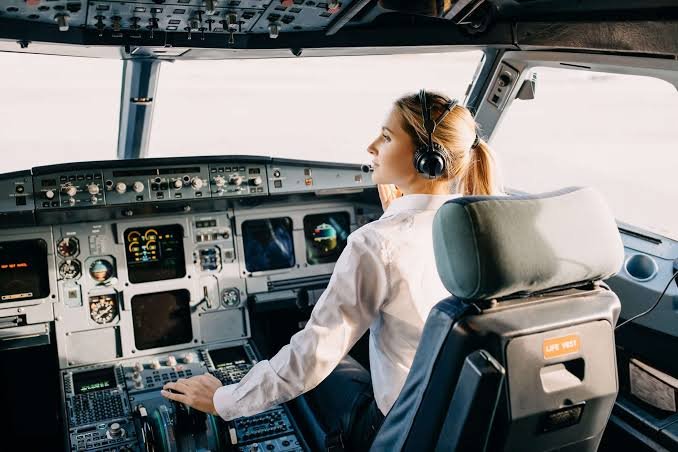
An airline pilot is a licensed professional trained to operate commercial aircraft, transporting passengers and cargo between destinations. Unlike private pilots, an airline pilot works under strict regulatory frameworks set by aviation authorities such as the FAA or DGCA. Their responsibilities extend beyond takeoff and landing; they must plan routes, monitor fuel levels, communicate with crew members, and respond to unexpected situations like turbulence or technical malfunctions. Every airline pilot undergoes rigorous simulator training before ever touching a real cockpit. They work in coordination with co-pilots, cabin crew, and ground staff to ensure smooth operations. The role demands mental sharpness, physical fitness, and the ability to remain calm under pressure, since even small errors can have significant consequences at high altitudes.
Educational Path to Becoming an Airline Pilot
Becoming an airline pilot requires a structured educational journey. Most aspiring pilots begin with a strong foundation in mathematics and physics during high school. After that, they enroll in flying schools or aviation academies to obtain a Private Pilot License (PPL), followed by a Commercial Pilot License (CPL). Some pursue aviation-related degrees to strengthen theoretical knowledge alongside practical training. Flight hours are a critical requirement, as regulatory bodies mandate a minimum number of logged hours before certification. Additionally, pilots must pass medical examinations to confirm their physical fitness for flying duties. Many candidates also complete type ratings, which qualify them to fly specific aircraft models used by airlines. This combination of academic learning and hands-on flying experience ensures every airline pilot is fully prepared for real-world aviation challenges.
Key Skills Required
Success in this profession depends on a mix of technical and soft skills. Below are the core competencies every airline pilot must develop:
- Strong understanding of aerodynamics and aircraft systems
- Excellent hand-eye coordination and spatial awareness
- Quick decision-making under pressure
- Clear and effective communication with crew and control towers
- Emotional stability during emergencies
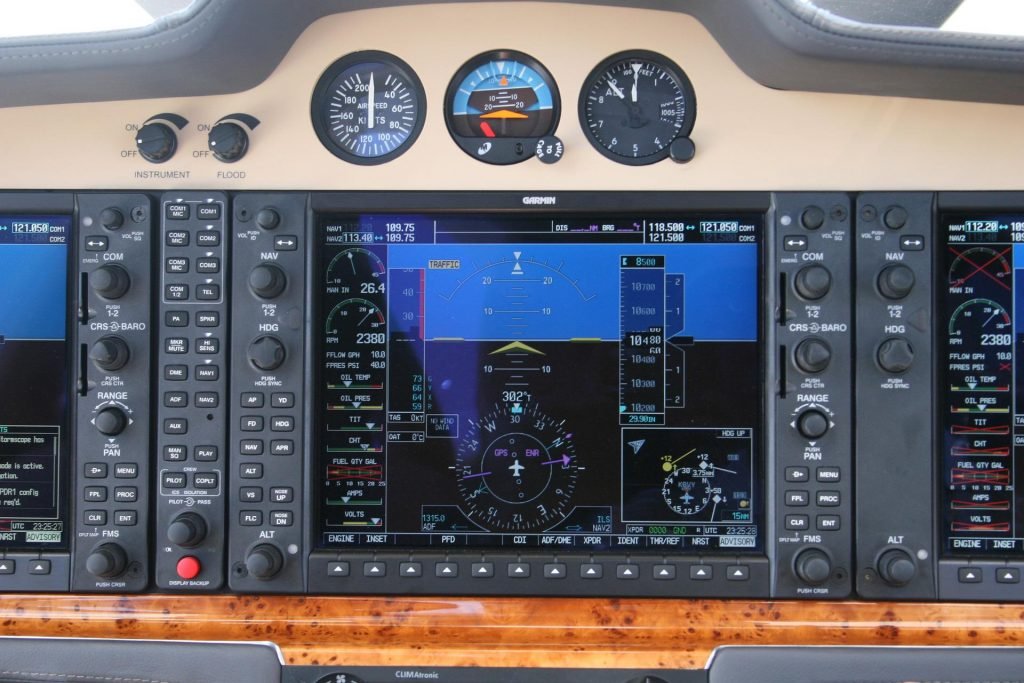
- Proficiency in reading instruments and navigation charts
- Leadership skills to manage the flight crew
These skills are refined continuously through simulator sessions, recurrent training, and real flying experience, ensuring pilots remain sharp throughout their careers.
Career Progression and Salary Overview
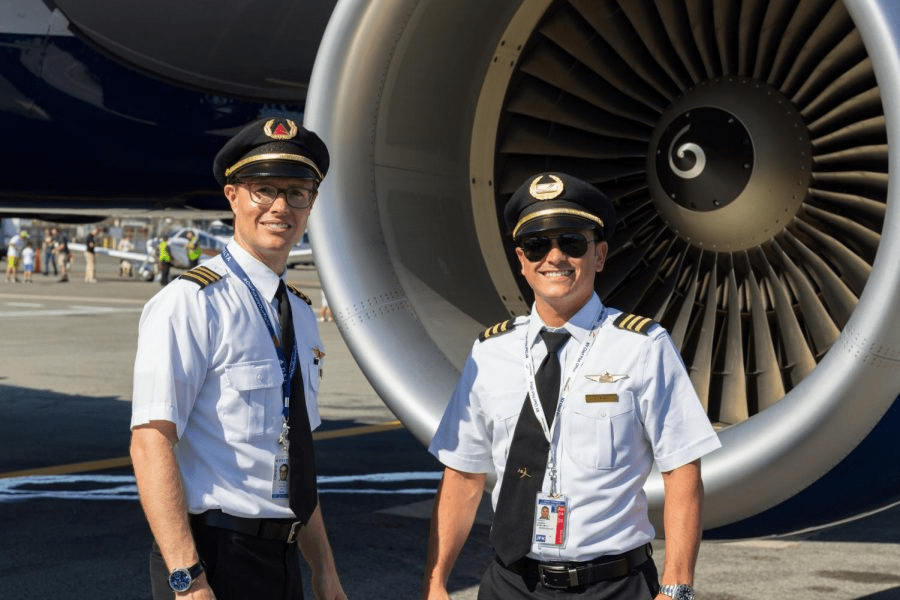
The journey of an airline pilot typically starts as a First Officer before advancing to the rank of Captain after gaining sufficient experience and flight hours. Airlines often provide structured training programs to help pilots move up the ranks. Seniority plays a major role in determining which routes and aircraft a pilot can operate. Salary generally increases with experience, aircraft type, and airline reputation. Long-haul international routes often pay more than domestic short-haul flights. Many pilots also receive additional allowances for night flights, layovers, and international assignments. The table below gives a general overview of how compensation and responsibilities evolve throughout a typical airline pilot career.
| Career Stage | Experience Required | Typical Role | Average Annual Salary (USD) |
|---|---|---|---|
| Trainee Pilot | 0-1 years | Cadet/Trainee | $20,000 – $35,000 |
| First Officer | 1-5 years | Co-Pilot | $50,000 – $90,000 |
| Senior First Officer | 5-10 years | Co-Pilot (Long-haul) | $90,000 – $130,000 |
| Captain | 10-15 years | Pilot-in-Command | $130,000 – $200,000 |
| Senior Captain | 15+ years | Lead Captain/Trainer | $200,000+ |
Challenges Faced by Airline Pilots
While the profession is rewarding, it comes with unique challenges. Long working hours, irregular schedules, and frequent time-zone changes can affect a pilot’s physical and mental health. Fatigue management becomes crucial, especially for those flying long international routes. An airline pilot must also handle the pressure of making split-second decisions during adverse weather or technical failures. Being away from family for extended periods is another common difficulty many pilots face throughout their careers. Additionally, the profession requires continuous learning, as aviation technology and safety protocols evolve regularly. Pilots must undergo periodic assessments and recurrent training to keep their licenses valid. Despite these challenges, most professionals find deep satisfaction in mastering complex aircraft systems and safely completing every journey, which keeps them motivated throughout their demanding careers.
Future Scope and Growth Opportunities
The aviation industry is expanding rapidly, creating strong demand for qualified professionals in this field. As global air travel increases, airlines are actively recruiting new talent to meet operational needs. Emerging technologies like automated systems and advanced navigation tools are reshaping how an airline pilot operates modern aircraft. Despite automation, human expertise remains irreplaceable for critical decision-making and passenger safety. Many pilots also explore opportunities in training academies, becoming flight instructors after years of active flying. Others transition into aviation management or safety consultancy roles later in their careers. With increasing air traffic worldwide, the long-term outlook for this profession remains promising, offering financial stability, international exposure, and continuous professional growth for those willing to commit to the rigorous training this career demands.
Quick Facts Table
| Aspect | Details |
|---|---|
| Minimum Education | High School + Aviation Training |
| License Required | CPL/ATPL |
| Training Duration | 2-3 years |
| Physical Requirement | Class 1 Medical Certificate |
| Key Employers | Commercial Airlines, Cargo Carriers |
Conclusion
Becoming an airline pilot is a journey that demands dedication, discipline, and continuous learning. From rigorous training programs to handling real-world emergencies, every step shapes a professional capable of ensuring passenger safety at 35,000 feet. The career offers financial rewards, global exposure, and immense personal satisfaction, though it also requires resilience against fatigue and demanding schedules. As the aviation industry continues expanding, opportunities for skilled aviators will only grow. For anyone passionate about flying, technology, and responsibility, pursuing a career as an airline pilot can be one of the most fulfilling professional paths available today, combining adventure with purpose in equal measure.