

Anyone who has tried to reach a mid-sized Indian city without losing a full day to highways or overnight trains understands why regional aviation matters. A star air flight is built around exactly that need. Based in Bengaluru and focused on smaller airports, the carrier connects places that larger airlines often treat as an afterthought. Instead of forcing passengers through a crowded metro hub, it links business towns, industrial belts and growing cities directly. That changes the rhythm of a journey. A meeting in another state becomes a same-day possibility, and a family visit no longer requires a week of planning. This guide walks through how these flights work, what to expect onboard, how to book smartly and how to avoid the small mistakes that make short trips feel long.
Why Regional Airlines Change the Way We Travel
Regional carriers solve a problem that big networks rarely prioritise: the gap between a city with a modest airport and the destination someone actually needs to reach. Roads may be slow, rail timings may not match your schedule, and a connecting itinerary through a major hub can double your travel time. Choosing a star air flight often removes that detour. The aircraft are smaller, the airports are calmer, and the whole experience tends to feel more personal than a metro terminal at peak hour. For traders, engineers, doctors and students who travel between second-tier cities, that saved time has real value. It also supports local economies, since easier access helps businesses host visitors, move people quickly and stay competitive without relocating to a bigger city.
Booking Smart: Timing, Fares and Flexibility
Regional schedules are usually tighter than those of large airlines, which means fewer departures per day on a given route. That makes early planning more important than it might seem. If your plans depend on a specific morning departure, secure your seat as soon as your dates are firm, because limited frequencies can sell out faster than you expect. When comparing a star air flight with other options, look beyond the base fare. Consider the cost of reaching a distant hub, extra hotel nights and lost working hours. Those hidden expenses often make a direct regional ticket the better value. Keep an eye on the change and cancellation rules at the time of purchase, since policies can differ by fare type and may be updated. Reading them once before paying prevents unpleasant surprises later.
Aircraft and Cabin: What Passengers Can Expect
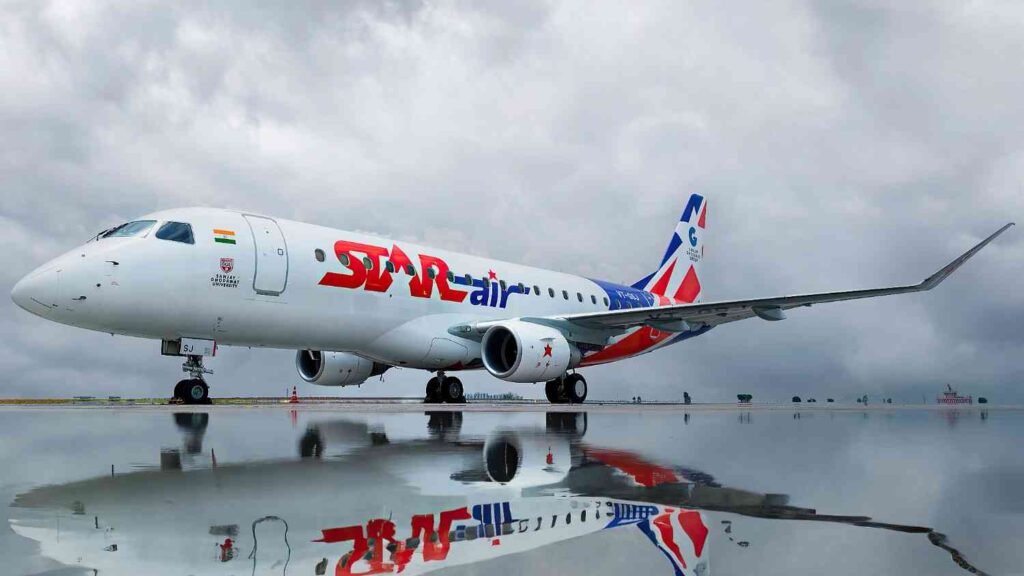
Regional jets are noticeably different from the wide corridors of a large airliner. The cabin is compact, the seating layout is usually simple, and boarding tends to be quick because there are fewer passengers. Many travellers find that smaller cabins feel quieter and more relaxed, particularly on short sectors where you are barely settled before descent begins. On a star air flight, the crew can often attend to passengers more directly, and the shorter duration means services are kept straightforward. Pack a small carry-on that fits comfortably under the seat or in the overhead space, because compact cabins reward light packing. If you are sensitive to noise or motion, choose a seat toward the front, where the ride is usually gentler. Bring a light layer too, since cabin temperature can vary.
Check-In, Baggage and Airport Habits
Smaller airports run on a different clock from major metros, and that is mostly good news. Queues are shorter and security is quicker, but counters may open and close on a stricter timetable because departures are less frequent. Arrive with enough buffer, and do not assume you can walk in at the last minute. Before leaving home, confirm your baggage allowance for the specific fare you bought, since limits can differ. A few habits make the process smoother:
- Complete online check-in as soon as it opens to save time at the airport.
- Carry a valid photo identity document that matches your booking exactly.
- Keep liquids and electronics easy to reach for screening.
- Save your boarding pass on your phone and keep a printed copy as backup.
Following these steps on a star air flight means fewer delays at the counter and a calmer start to your journey.
A Quick Planning Table for Different Travellers
Every traveller has a different priority, and matching your habits to the journey helps you get the most from a regional ticket. The table below offers a simple way to think about it.
| Traveller Type | Main Priority | Smart Planning Tip |
|---|---|---|
| Business visitor | Saving working hours | Book a morning departure and a same-day return |
| Family group | Comfort and easy boarding | Reserve seats together and arrive early |
| Student | Budget and flexibility | Book ahead and check change rules |
| Occasional leisure traveller | Convenience | Pack light and confirm baggage limits |
| Senior citizen | Low stress | Choose front seats and request assistance if needed |
Use this as a starting point rather than a strict rule. The best plan is the one that fits your schedule, your luggage and your tolerance for early wake-up calls.
Who Benefits Most from Regional Connectivity
Some travellers gain more than others from this style of flying. Professionals who visit factories, project sites or branch offices in smaller cities can compress a two-day trip into one. Families with elderly relatives in towns that were once hard to reach can visit more often and with far less fatigue. Students heading to colleges outside the big metros no longer need to endure a long overland stretch after landing at a hub. Even tourists benefit, because a direct flight to a lesser-known destination leaves more energy for exploring. A star air flight is not designed to compete with giant international networks. Its strength lies in doing a focused job well: linking the places between the famous ones and making that link dependable, quick and humane.
Smart Tips for a Smoother Journey
Small decisions before departure decide whether a short flight feels effortless or hectic. Start by checking your schedule the day before, since regional operations can be more sensitive to weather and airport conditions than large networks. Keep your phone charged and your contact details updated so any notification reaches you quickly. Plan your ground transport in advance, because smaller airports may have fewer taxis or public options late in the evening. If your trip has a fixed appointment, leave a comfortable buffer instead of scheduling a meeting immediately after landing. Finally, stay flexible. A star air flight rewards travellers who prepare well and keep a backup plan, such as an alternate date or a road option, in case something changes at the last moment.
Conclusion
Regional air travel is quietly reshaping how people move across India, and carriers focused on smaller cities deserve credit for making distance feel manageable. Choosing a star air flight can mean shorter journeys, calmer airports and direct access to places that were once tiring to reach. The experience is simple by design: compact aircraft, quicker boarding and a schedule built around real regional needs. To get the best from it, book early, read the fare rules, travel light and arrive with a sensible buffer. Match your plan to your own priorities, whether that is saving time for work, easing a family visit or making a study trip less exhausting. Do that, and every star air flight becomes what it should be: a practical bridge between where you are and where you need to be.