
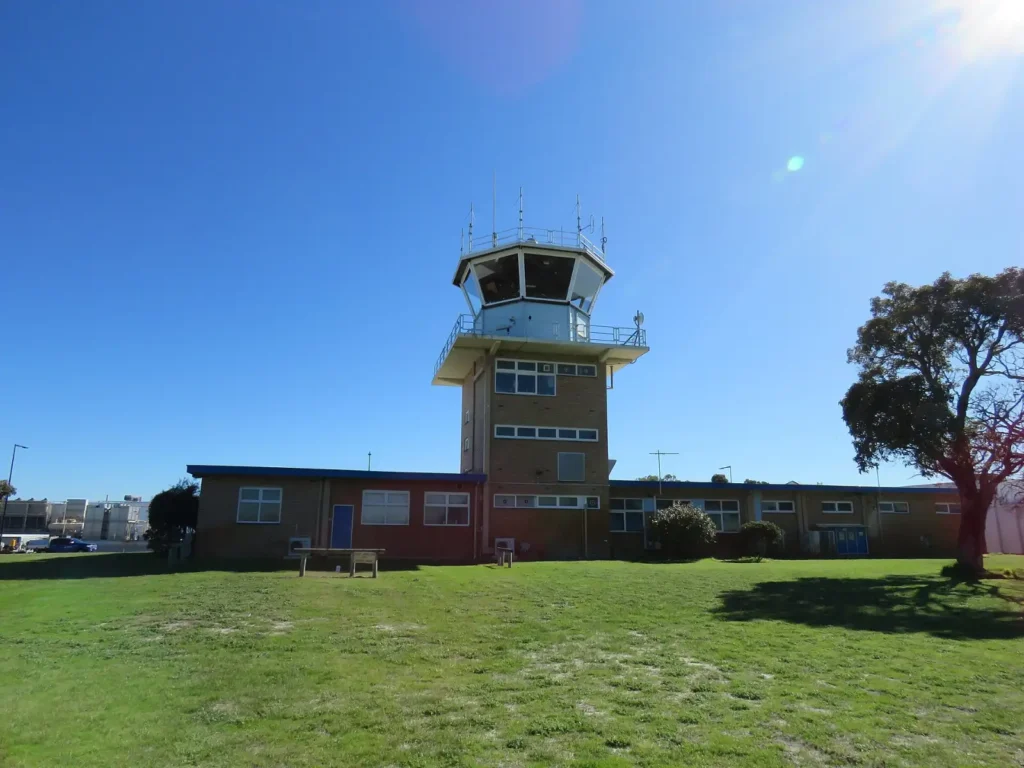
On November 6, 2026, the FAA announced it had deployed its first digital air traffic control towers, at Bartow Executive Airport in Florida and Kenai Municipal Airport in Alaska. If you fly into either field, or into one of the five airports lined up next, the question is simple: what actually changes when the controller is looking at screens instead of through a window? Here is what the FAA and trade press have reported, what is still unclear, and what I would check before my next flight. The details are still emerging and some sources disagree, so verify against current FAA sources.
What the FAA Announced
The FAA’s announcement said the first two digital towers are now operational at Bartow, Florida and Kenai, Alaska. The system selected is from Frequentis. According to AvWeb, the FAA issued Frequentis its first system design approval under the new digital tower program in September 2026, for its smartVISION system, initially covering single-runway airports in Class D airspace. Reports differ on exactly when each tower began operating, and one source says Bartow started in September, so treat November 6 as the announcement date, not necessarily the first day of service. The agency says controllers are still the ones managing traffic, now with better tools.
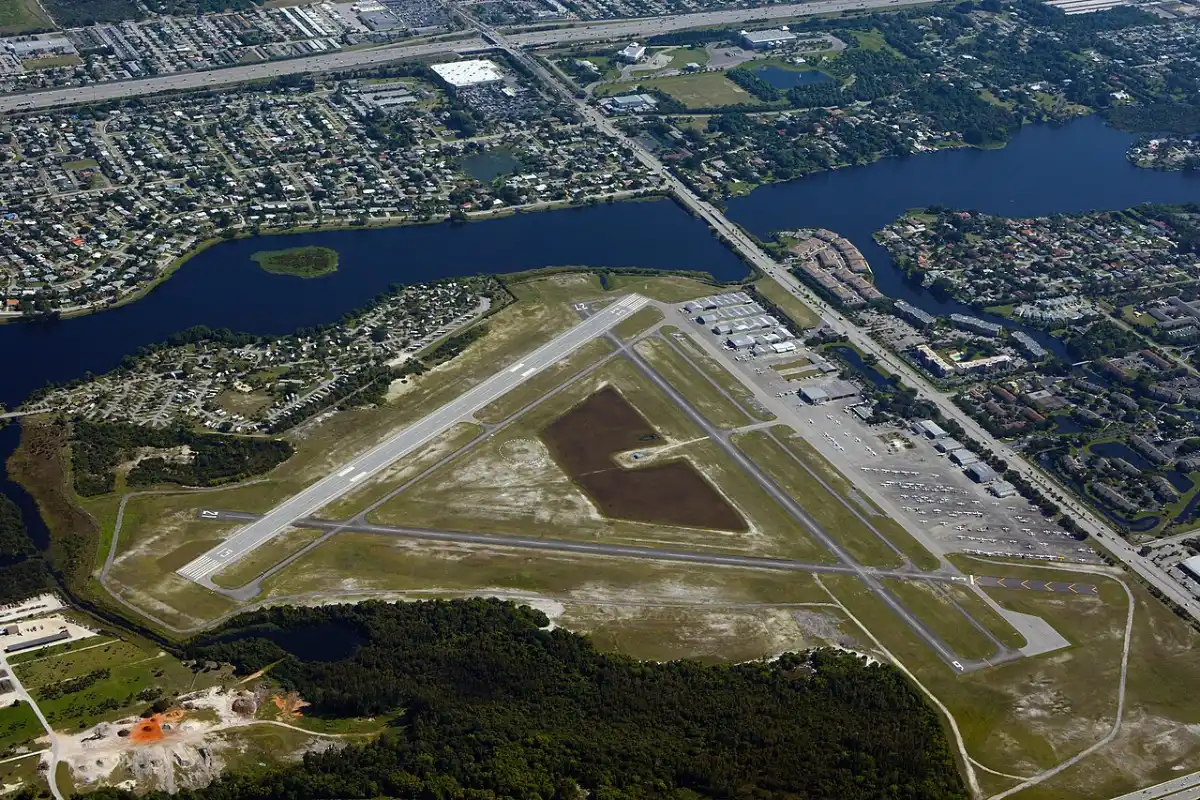
How a Digital Tower Works
A digital tower replaces the controller’s view out of a glass cab with a panoramic video picture built from cameras and sensors, shown on displays. According to the FAA’s digital tower page, the controller works entirely from digital displays, not through windows. Press coverage describes the following features:
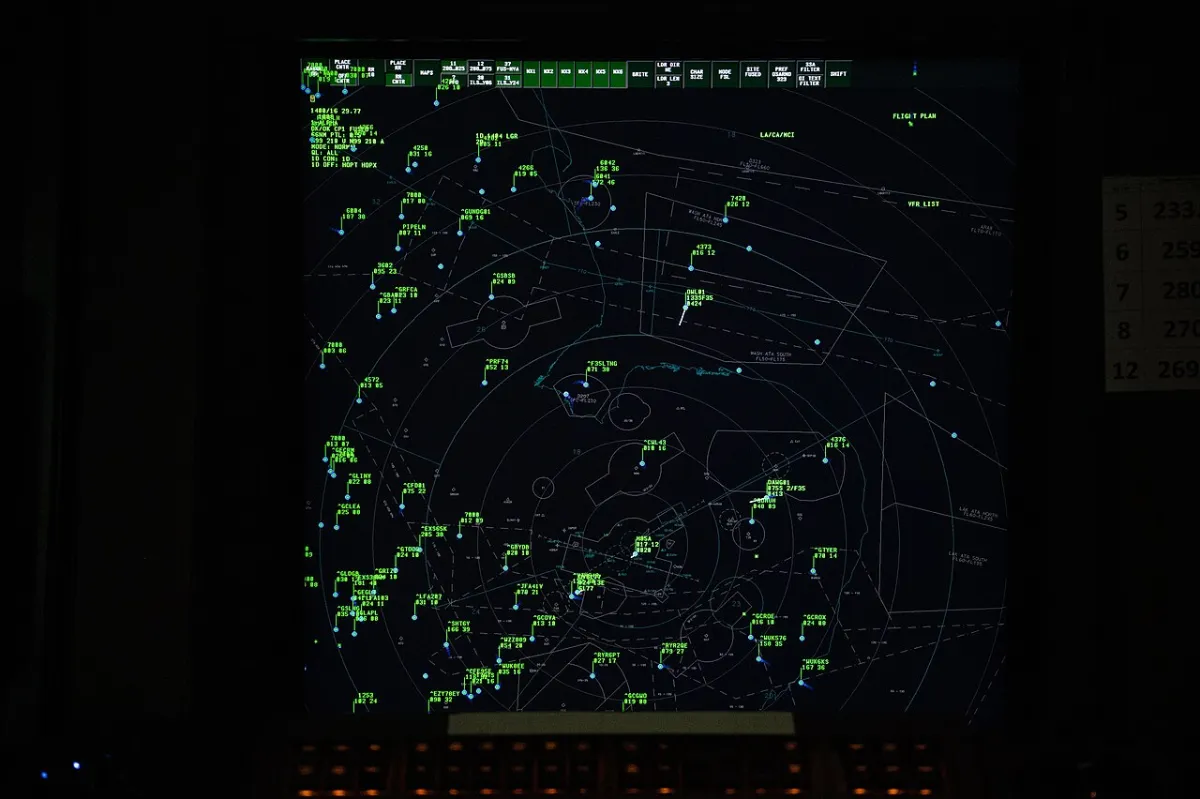
- A continuous 360-degree view of runways, taxiways and the surrounding airspace.
- Optional enhancements such as infrared cameras for low-light and reduced-visibility conditions, aircraft identification tags and automatic target detection. AvWeb also reports microphones that bring airfield sounds into the control room.
- A closed network. The FAA says the link between the sensor mast and the control center must be a closed, point-to-point fiber connection, and wireless links are not allowed at this time.
- A flexible location. The controller’s digital tower center can be on or off airport property, but systems funded by federal airport grants must be on airport-owned or leased land. “Off airport” does not necessarily mean far away.
The FAA has also dropped the term “remote tower” in favor of “digital tower,” so older articles may use either name.
Which Airports Are Next
Five more airports have been named, all currently non-towered according to GlobalAir:
- Winter Haven Regional Airport, Florida
- Venice Municipal Airport, Florida
- Montgomery County Airpark, Maryland
- Johnston Regional Airport, North Carolina
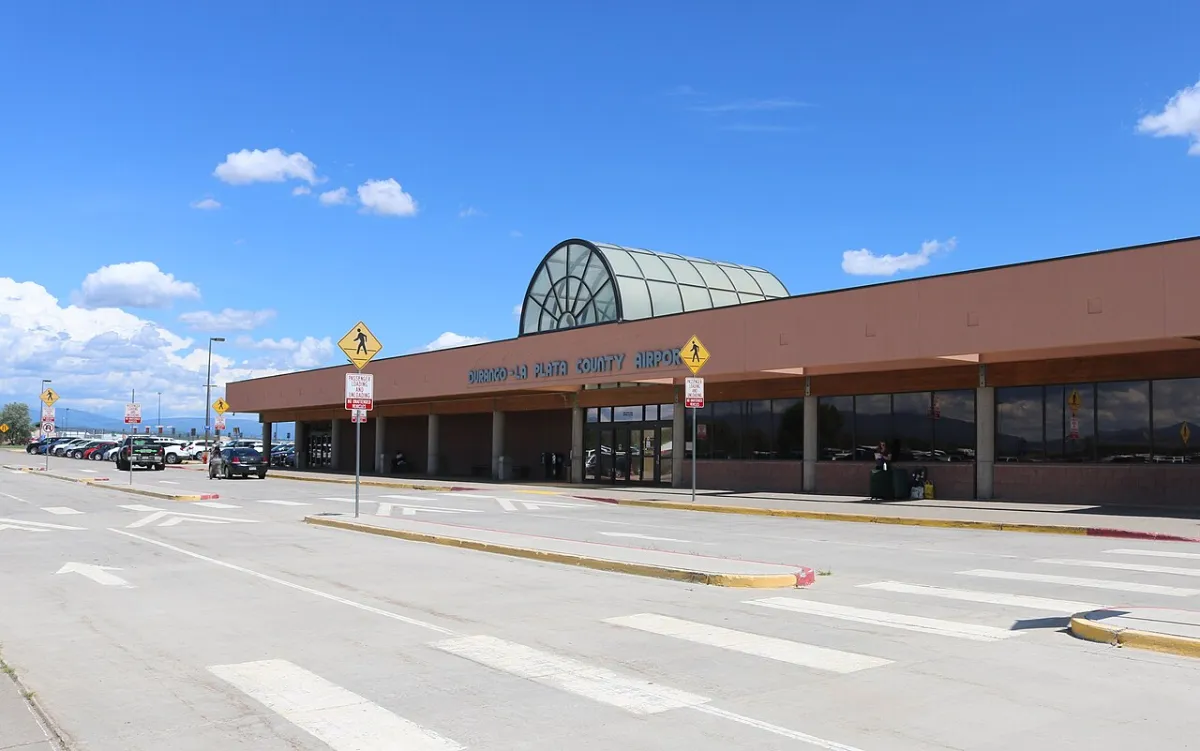
- Durango-La Plata County Airport, Colorado
The FAA says “soon,” but timelines are loose. AIN reports that a Venice community group expects a city council vote on accepting a grant possibly in January and estimates completion by mid-2028. In Maryland, the county and its revenue authority still have to approve the system, and the FAA must complete an environmental review, establish the airspace and commission the system. Funding is reported at $50 million, earmarked for non-towered airports, from the Working Families Tax Cut Act.
What It Means for Pilots
None of the sources I reviewed reports a frequency change, a new radio procedure or any change to how you talk to the controller. The initial scope is sponsor-owned Class D airports, meaning non-federal towers or FAA contract towers. For pilots, that suggests a few practical points:
- Procedures should feel the same. The usual Class D rules still apply, including establishing two-way radio communication before entering the airspace (14 CFR 91.129). Check the current regulation and the airport’s published information.
- The light gun is still there. The FAA says the signal light gun is co-located with the digital tower, shown on airport diagrams as a square labeled “D-TWR” and listed in the Chart Supplement as an airport remark. My article on light gun signals explains what each color means, and my guide on reading the Chart Supplement shows where to find the remark.
- Non-towered fields would gain staffed ATC. At the five airports planned next, pilots would go from self-announced traffic to controlled airspace. Brush up on the difference using my guide to radio calls at uncontrolled airports.
- Expect new airspace. A new tower at a non-towered airport implies new Class D airspace, which the FAA must establish. Watch for NOTAMs and chart updates.
Why It Took So Long
Digital towers are not new to the FAA. AvWeb reports a camera-based remote tower began operating at Leesburg, Virginia in 2018, the FAA found it operationally viable in 2021, and the program was discontinued in June 2023 after Saab withdrew from the design approval process. AIN reports that Congress directed the FAA to set up a formal program in the 2024 reauthorization act, and the FAA says the new systems come with guidance including Engineering Brief 112 on installation, maintenance and airport operations. The FAA also says design approval typically takes 24 to 36 months, and sponsors must then meet commissioning and public-use requirements. Digital towers cannot yet replace federally owned towers, since the FAA says further work is needed first.
What Is Still Unclear
- Cost and staffing. The announcement gave no project-level cost comparison for Bartow or Kenai, and no installation or staffing costs.
- Exact start dates. Sources disagree, and no date is given for Kenai.
- Whether service was new or replaced. One source says Bartow and Kenai replaced equipment at airports that already had staffed towers, while others describe them simply as operational. I could not confirm which.
- Technical specs. Camera count, resolution and screen layouts have not been published in the sources I read.
- Beyond Class D. It is an open question whether designs will be approved for larger or multi-runway airports.
Bottom Line
For most pilots the immediate effect is small: same Class D procedures, a light gun that still works, and a controller who just looks at screens. The bigger story is what happens next. If the program succeeds, it could bring controlled airspace and staffed towers to airports that could never afford a conventional one. Before flying into Bartow, Kenai or any airport getting a new digital tower, check the Chart Supplement, current NOTAMs and the airport’s published procedures, and verify everything against current FAA sources.
Sources
- FAA: first digital air traffic control towers in Florida and Alaska
- FAA: Digital Airport Traffic Control Tower Systems
- AIN: first digital towers in the US come online
- AvWeb: digital towers operational at two airports
- GlobalAir: the real test is what’s next
- Airways: FAA digital towers in Florida and Alaska