Aviation has always evolved through technology, but few developments have been as transformative as the next-generation flight cockpit. For decades, pilots relied on rows of analog dials, mechanical switches, and paper charts to navigate the skies. Today, that landscape looks drastically different. Modern aircraft are being built with digital ecosystems that integrate sensors, artificial intelligence, and real-time data streams into a single, intuitive workspace. This shift is not just about aesthetics or convenience; it directly affects safety, efficiency, and the overall flying experience. As airlines and manufacturers race to modernize fleets, the next-generation flight cockpit has become the centerpiece of innovation, promising to reduce human error while enhancing situational awareness for pilots operating in increasingly complex airspace.
Why the Traditional Cockpit Needed a Redesign
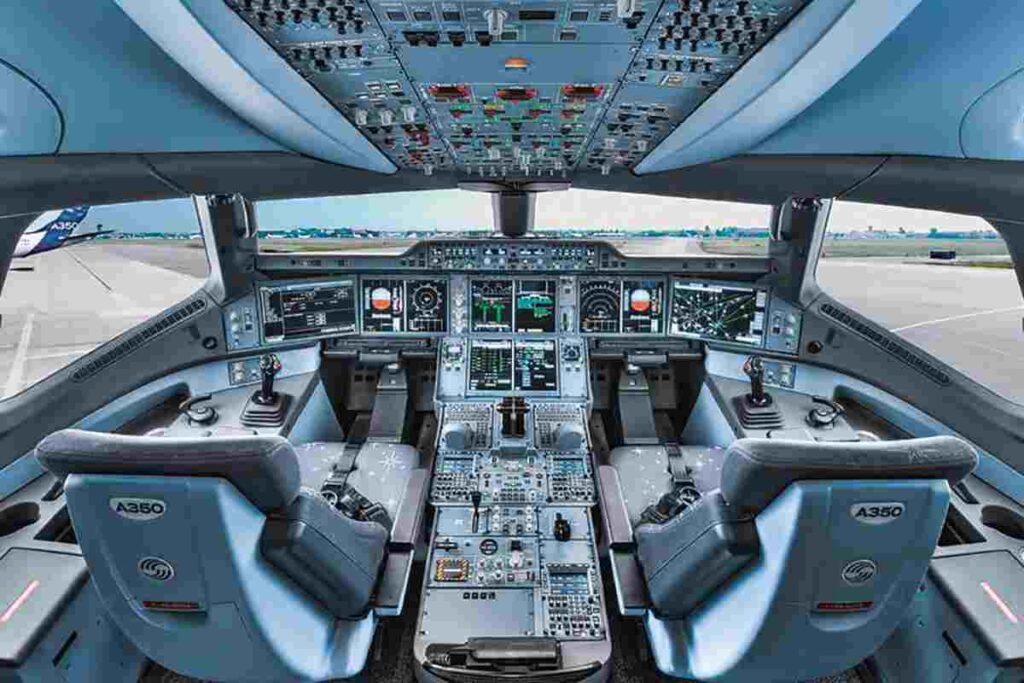
Older cockpit designs, while reliable for their time, often overwhelmed pilots with excessive manual tasks and fragmented information sources. Pilots had to cross-reference multiple instruments, mentally calculate variables, and manage workload during critical phases of flight. This complexity sometimes contributed to fatigue-related errors, especially during long-haul operations or emergency scenarios. Recognizing these limitations, engineers began rethinking cockpit architecture from the ground up. The goal was to simplify decision-making without sacrificing control. This is precisely where the next-generation flight cockpit stepped in, replacing clutter with streamlined digital interfaces that consolidate data into clear, actionable insights. Instead of forcing pilots to interpret dozens of separate readings, these systems present unified visuals that highlight only what matters most in real time.
Core Features Defining Modern Cockpit Systems
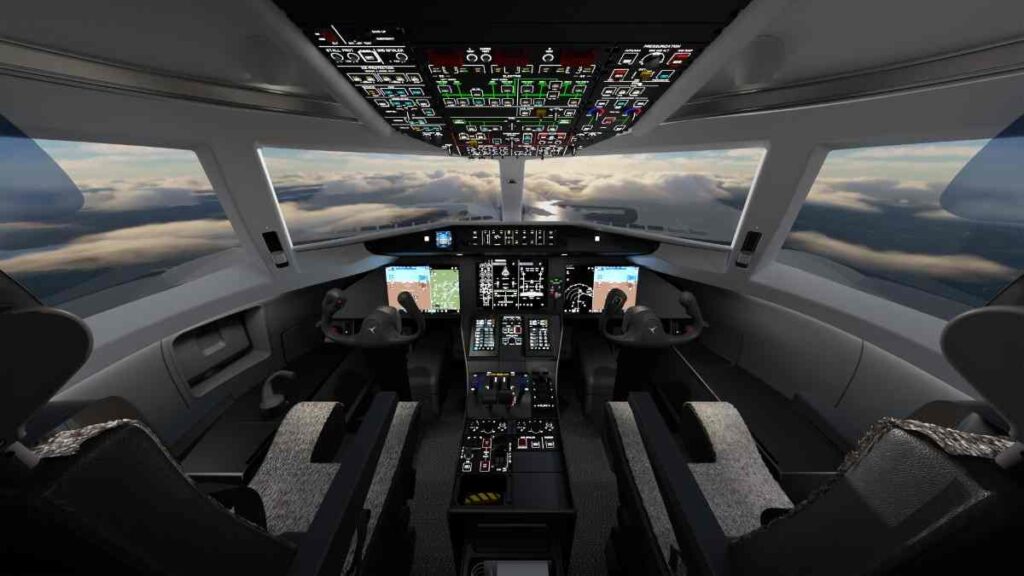
The next-generation flight cockpit is built around several defining features that separate it from earlier designs. These systems prioritize clarity, automation, and adaptability, allowing pilots to focus on strategic decisions rather than routine monitoring.
Some of the most notable features include:
- Large-format touchscreen displays replacing multiple analog gauges
- Synthetic vision systems that recreate terrain and obstacles in low-visibility conditions
- Voice-activated controls for hands-free command execution
- Predictive analytics that flag potential mechanical or weather-related issues before they escalate
- Enhanced connectivity with air traffic control and ground support systems
Together, these elements create a cockpit environment that feels less like a control panel and more like an intelligent co-pilot. Pilots no longer need to memorize complex checklists manually, since digital systems can guide them through procedures step by step, reducing cognitive strain during high-pressure situations.
The Role of Artificial Intelligence in Modern Cockpits
Artificial intelligence has become a driving force behind the next-generation flight cockpit, quietly working in the background to support human decision-making. Rather than replacing pilots, AI-powered systems are designed to augment their capabilities. For instance, machine learning algorithms can analyze years of flight data to predict maintenance needs before a mechanical issue becomes serious. Similarly, AI-driven weather prediction tools can recommend optimal flight paths that avoid turbulence, saving fuel and improving passenger comfort. Some systems even monitor pilot alertness through biometric sensors, issuing gentle alerts if signs of fatigue are detected. This blend of human expertise and machine intelligence represents a significant leap forward, ensuring that even in unpredictable situations, pilots have reliable digital support guiding their choices.
Enhanced Situational Awareness Through Data Integration
One of the most valuable outcomes of adopting a next-generation flight cockpit is the dramatic improvement in situational awareness. Traditional cockpits often required pilots to manually piece together information from separate instruments, which could slow down response times during emergencies. Modern systems solve this by integrating data from multiple sources, including radar, satellite navigation, weather systems, and air traffic feeds, into a single visual display. This consolidated view allows pilots to instantly understand their aircraft’s position relative to terrain, other aircraft, and changing weather patterns. During emergencies, this integration can be lifesaving, as pilots receive clear, prioritized alerts instead of scattered warnings. The result is a cockpit environment where critical information is always visible, reducing the chances of oversight during high-stress moments.
Human-Centered Design Principles
Despite the heavy reliance on technology, the next-generation flight cockpit remains fundamentally centered around human usability. Engineers work closely with experienced pilots to ensure that new systems feel intuitive rather than overwhelming. This human-centered approach considers factors such as eye movement patterns, reaction times, and cognitive load when designing display layouts. For example, critical alerts are often color-coded and positioned within a pilot’s natural line of sight, minimizing the need to search for information during emergencies. Additionally, customizable interfaces allow pilots to arrange displays according to personal preference, similar to how smartphone users organize app screens. This flexibility ensures that despite the complexity of underlying technology, the cockpit experience remains manageable and comfortable for pilots across different experience levels.
Safety Improvements Driven by Modern Cockpit Technology
Safety remains the primary justification for investing in next-generation flight cockpit systems. Aviation authorities and manufacturers alike have prioritized reducing human error, which historically has been a leading contributor to aviation incidents. Modern cockpits address this through redundancy, automation, and predictive alerts that catch potential problems early. Below is a simplified comparison highlighting key differences between traditional and next-generation cockpit safety features.
| Safety Aspect | Traditional Cockpit | Next-Generation Flight Cockpit |
|---|---|---|
| Instrument Display | Analog gauges, scattered layout | Unified digital displays |
| Error Detection | Manual cross-checking | Automated predictive alerts |
| Weather Awareness | Limited real-time data | Integrated live weather mapping |
| Pilot Fatigue Monitoring | Not available | Biometric alertness tracking |
| Emergency Guidance | Paper checklists | Interactive digital procedures |
This structured comparison illustrates why airlines are increasingly transitioning toward digital cockpit ecosystems, as the safety advantages are difficult to ignore.
Training Challenges and Adaptation for Pilots
While the benefits are substantial, transitioning to a next-generation flight cockpit is not without challenges. Pilots trained on traditional systems must undergo extensive retraining to become comfortable with digital interfaces and automated processes. This learning curve can be steep, particularly for experienced pilots accustomed to manual control methods. Flight schools and airlines have responded by incorporating advanced simulators that replicate next-generation cockpit environments with high accuracy. These simulators allow pilots to practice emergency scenarios, system failures, and routine operations without real-world risk. Over time, most pilots report increased confidence and efficiency once they adapt to the new systems. However, the transition period highlights the importance of thorough training programs to ensure that technological upgrades translate into genuine safety improvements rather than temporary confusion.
Environmental and Efficiency Benefits
Beyond safety, the next-generation flight cockpit also contributes to environmental sustainability and operational efficiency. Advanced flight management systems can calculate optimal cruising altitudes and speeds that minimize fuel consumption, directly reducing carbon emissions. Real-time weather integration allows pilots to avoid unnecessary detours, saving both time and fuel. Airlines benefit financially from these efficiencies, as reduced fuel usage translates into lower operating costs over time. Additionally, predictive maintenance features help prevent costly mechanical failures, reducing aircraft downtime and improving fleet reliability. As environmental regulations tighten globally, these efficiency gains are becoming increasingly important for airlines seeking to balance profitability with sustainability goals. The next-generation flight cockpit, therefore, serves not only as a safety upgrade but also as a tool for responsible resource management.
The Future Trajectory of Cockpit Innovation
Looking ahead, the evolution of the next-generation flight cockpit shows no signs of slowing down. Researchers are exploring augmented reality headsets that could overlay critical flight data directly onto a pilot’s field of vision, further reducing the need to glance between screens. Autonomous flight technology, while still developing, may eventually work alongside human pilots to handle routine tasks, freeing up mental bandwidth for complex decision-making. Some experts predict that future cockpits will feature even deeper AI integration, capable of anticipating pilot needs before they are explicitly requested. As sensor technology becomes more sophisticated, aircraft may also gain the ability to self-diagnose issues with greater precision, further minimizing unexpected failures. These advancements suggest that cockpit design will continue evolving alongside broader technological trends in artificial intelligence and human-machine interaction.
Conclusion
The next-generation flight cockpit represents far more than a technological upgrade; it signals a fundamental shift in how pilots interact with aircraft systems. By combining intelligent automation, integrated data visualization, and human-centered design, these cockpits address long-standing challenges related to safety, efficiency, and pilot workload. While the transition requires investment in training and infrastructure, the long-term benefits are substantial, ranging from improved situational awareness to reduced environmental impact. As aviation continues to embrace digital transformation, the next-generation flight cockpit will likely remain at the forefront of innovation, shaping how future generations of pilots navigate increasingly complex skies. Ultimately, this evolution reflects the aviation industry’s broader commitment to safer, smarter, and more sustainable air travel for years to come.