
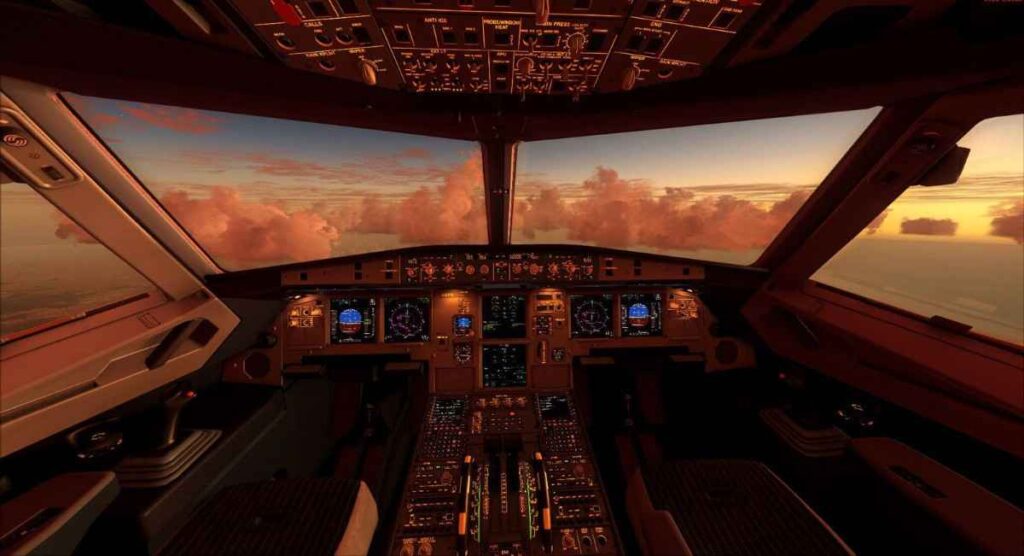
Stepping into an aircraft cockpit view offers a rare glimpse into one of the most fascinating environments in transportation. For most passengers, the cockpit remains a mysterious space hidden behind a locked door, filled with blinking lights, switches, and screens that seem impossible to decode. Yet this compact workspace is where every flight truly comes to life. Pilots rely on the aircraft cockpit view not just to see the sky ahead but to interpret data, monitor systems, and make split-second decisions that keep hundreds of lives safe. Whether it is a small private plane or a massive commercial airliner, the cockpit represents the nerve center of aviation. Understanding what this view offers, how it has evolved, and why it matters gives us a deeper appreciation for the complexity behind every takeoff and landing.
The Physical Layout of a Cockpit
The aircraft cockpit view begins with its physical design, which balances visibility, accessibility, and comfort. Pilots sit in front of a wide windshield that curves around them, offering a panoramic outlook onto the runway, sky, and horizon. This positioning is intentional, allowing maximum situational awareness during taxiing, takeoff, and landing. Below and around the windshield sit rows of instruments, switches, and digital displays arranged for quick reach and easy reading. Engineers design this layout with ergonomics in mind, ensuring pilots can operate controls without unnecessary strain during long flights. The seats are adjustable, often supporting hours of continuous sitting while maintaining a clear vantage point. Every inch of space is deliberately planned, since even minor obstructions could interfere with a pilot’s ability to respond quickly. This careful geometry is what makes the aircraft cockpit view both functional and reassuring.
Instruments That Shape the View
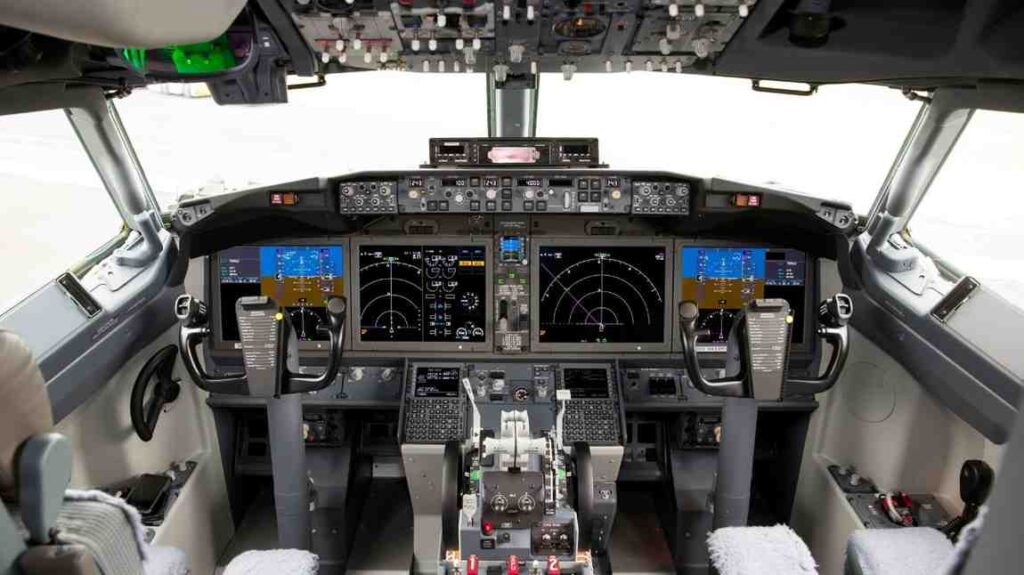
Modern cockpits are dominated by an array of instruments that transform raw data into usable information. The aircraft cockpit view today looks dramatically different from decades past, largely due to the shift from analog dials to digital glass displays. These screens present altitude, speed, heading, and engine performance in a clean, readable format. Pilots no longer need to glance at dozens of separate gauges; instead, integrated systems consolidate everything onto a handful of vibrant screens. This reduces the mental workload and allows quicker cross-referencing during critical phases of flight. Alongside these displays, physical controls such as throttle levers, control yokes, and rudder pedals remain essential, blending traditional mechanics with modern computing. Together, these elements create a cockpit environment where visual clarity and precise control work hand in hand, giving pilots confidence in every maneuver they perform.
How Technology Has Transformed the Cockpit
Aviation technology has advanced significantly, and the aircraft cockpit view reflects this progress vividly. Early aircraft relied on manual instruments with limited automation, requiring pilots to calculate many variables themselves. Today, computers handle much of that workload, offering real-time data on weather, fuel consumption, navigation routes, and potential hazards. Head-up displays now project essential flight information directly onto the windshield, allowing pilots to keep their eyes on the runway while still monitoring key metrics. Autopilot systems, though not replacing human judgment, assist significantly during long stretches of flight, reducing fatigue. Enhanced vision systems even use infrared technology to improve visibility in poor weather or low light. These innovations have not eliminated the pilot’s role but have elevated it, allowing for sharper decision-making and safer outcomes. The modern aircraft cockpit view is as much about digital intelligence as it is about physical sightlines.
Why the Cockpit View Matters for Safety
Safety remains the primary reason the aircraft cockpit view is designed with such precision. Visibility directly impacts a pilot’s ability to judge distances, spot obstacles, and react to changing conditions. During takeoff, a clear forward view helps pilots align with the runway and monitor speed accurately. During landing, the same visibility becomes crucial for judging altitude and touchdown point. Poor visibility, whether due to weather or design flaws, has historically contributed to aviation incidents, which is why regulatory bodies enforce strict standards for windshield clarity, defrosting systems, and anti-glare coatings. Beyond the physical view, the arrangement of instruments also plays a safety role, ensuring pilots can quickly identify warnings or system failures. When every element of the aircraft cockpit view is optimized, the result is a safer, more predictable flying experience for everyone on board.
The Difference Between Commercial and Private Aircraft Cockpits
Not all cockpits are identical, and the aircraft cockpit view can vary significantly depending on the type of aircraft. Commercial airliners often feature larger, more complex cockpits with multiple screens, redundant systems, and space for two or more crew members. These cockpits are built for long-haul efficiency, comfort, and collaboration between pilots. Private and smaller aircraft, on the other hand, may have simplified layouts with fewer instruments, reflecting their more straightforward operational needs. Despite these differences, both types share a common goal: providing a clear, functional aircraft cockpit view that supports safe and efficient flight. Below is a simple comparison of how cockpit views typically differ across aircraft categories.
| Feature | Commercial Aircraft Cockpit | Private Aircraft Cockpit |
|---|---|---|
| Crew size | Usually two or more pilots | Often one pilot |
| Instrument complexity | High, with multiple redundant systems | Moderate, simplified layout |
| Display type | Advanced glass cockpit displays | Mix of digital and analog gauges |
| Visibility range | Wide, panoramic windshield | Slightly narrower field of view |
| Automation level | Extensive autopilot integration | Basic to moderate automation |
The Pilot’s Perspective From the Cockpit
For pilots, the aircraft cockpit view is more than a workspace; it becomes a familiar and trusted environment shaped by years of training. Each control, switch, and display eventually becomes second nature, allowing pilots to operate almost intuitively even during high-pressure situations. Many describe the view from the cockpit as a unique privilege, offering perspectives of sunrises, cloud formations, and city lights unavailable to passengers seated in the cabin. This vantage point also brings responsibility, as pilots must constantly interpret what they see and translate it into safe decisions. Training simulators replicate this exact view, helping new pilots familiarize themselves with instrument placement and sightlines before ever stepping into a real aircraft. This blend of visual familiarity and technical mastery is what makes the aircraft cockpit view such a defining part of a pilot’s professional identity.
Common Elements Found in Every Cockpit View
While cockpit designs vary across manufacturers and aircraft types, certain elements remain consistent. Understanding these shared components helps explain why the aircraft cockpit view feels structured despite its complexity.
- Primary flight display showing altitude, speed, and orientation
- Navigation display presenting route information and weather overlays
- Engine indication system tracking performance and fuel levels
- Control yoke or sidestick for maneuvering the aircraft
- Overhead panel housing electrical and mechanical system switches
- Communication radios for coordinating with air traffic control
These components form the backbone of nearly every cockpit, regardless of aircraft size. Their consistent presence ensures that pilots transitioning between different aircraft models can adapt more easily, since the fundamental layout of the aircraft cockpit view remains recognizable even when specific technology differs.
The Future of Cockpit Visibility and Design
Looking ahead, the aircraft cockpit view is expected to undergo further transformation as aviation technology continues advancing. Researchers are exploring augmented reality systems that could overlay even more detailed information directly onto a pilot’s field of vision, merging physical sight with digital data seamlessly. Some experimental designs are even testing reduced or reimagined windshields, relying instead on high-resolution external cameras and screens to recreate a synthetic view of the outside world. While such innovations remain in early stages, they hint at a future where the boundary between physical visibility and digital representation becomes increasingly blurred. Regardless of these changes, the core purpose will remain the same: giving pilots the clearest, most reliable perspective possible. As aircraft become more automated, the importance of an intuitive and trustworthy aircraft cockpit view will only continue to grow, ensuring pilots remain confidently in command of increasingly sophisticated machines.
Why Passengers Are Fascinated by the Cockpit View
Even though most passengers never experience it firsthand, curiosity about the aircraft cockpit view remains strong. Documentaries, flight simulator games, and social media videos showing takeoffs and landings from the pilot’s perspective consistently attract large audiences. This fascination stems from the mix of technology, skill, and responsibility packed into such a small space. Watching how pilots manage instruments while maintaining a steady view of the runway offers a rare appreciation for the discipline required in aviation. Flight schools and airlines have even begun using virtual reality tools to give enthusiasts a simulated taste of what pilots see and experience. This growing public interest highlights how the cockpit, once a purely functional space, has also become a symbol of human capability and precision in modern travel.
Conclusion
The aircraft cockpit view represents far more than a simple outlook through a windshield. It is a carefully engineered blend of visibility, technology, and human skill that ensures every flight operates safely and efficiently. From the arrangement of instruments to the integration of advanced digital displays, every element within the cockpit serves a purpose in supporting the pilot’s judgment and control. As aviation technology continues to evolve, the aircraft cockpit view will likely become even more advanced, incorporating smarter systems while preserving the fundamental need for clear, dependable sightlines. Whether viewed from a pilot’s trained perspective or a curious passenger’s imagination, the cockpit remains one of aviation’s most compelling spaces, quietly shaping the safety and success of every journey through the sky.