Flying an aircraft looks glamorous from the outside, but behind every smooth takeoff and landing lies a long list of tasks that demand precision, focus, and accountability. Understanding pilot duties and responsibilities helps aspiring aviators, airline staff, and even curious travelers appreciate the discipline required to keep flights safe. A pilot’s job is not limited to steering an aircraft through the sky; it spans planning, communication, decision-making, and constant vigilance. This article breaks down the core aspects of the profession so readers can grasp what really happens in the cockpit and why these responsibilities matter so much to aviation safety.
Understanding the Scope of a Pilot’s Job
Pilot duties and responsibilities extend far beyond simply operating the controls of an aircraft. Every flight begins long before the wheels leave the ground and ends only after the aircraft is safely parked and shut down. A pilot must coordinate with air traffic control, ground crews, cabin staff, and sometimes maintenance engineers to ensure everything runs smoothly. The role demands technical knowledge, physical stamina, and mental sharpness, since even minor lapses can have serious consequences. Airlines and aviation authorities set strict standards for what a pilot must do at each stage of a journey, and these standards form the backbone of modern flight safety protocols across the world.
Pre-Flight Planning and Preparation
Before any aircraft takes off, pilots dedicate significant time to preparation. This includes reviewing the flight plan, checking weather forecasts along the route, and calculating fuel requirements based on distance, payload, and expected conditions. Pilot duties and responsibilities at this stage also involve verifying that the aircraft’s documentation, such as maintenance logs and airworthiness certificates, is current and accurate. Communication with dispatchers helps confirm routing decisions, especially when storms or airspace restrictions might affect the journey. This preparatory phase is often invisible to passengers, yet it forms the foundation of a safe and efficient flight, allowing the crew to anticipate challenges rather than react to them mid-air.
Conducting Pre-Flight Inspections
Once preparation is complete, pilots move to a hands-on inspection of the aircraft itself. This walk-around check involves examining the fuselage, wings, landing gear, and control surfaces for visible damage or irregularities. Inside the cockpit, pilots test instruments, avionics, and communication systems to confirm everything functions correctly. These inspections are a critical part of pilot duties and responsibilities because they catch mechanical issues before they become airborne problems. Even when ground engineers have already cleared an aircraft, pilots perform their own independent verification, since ultimate responsibility for the flight rests with the crew in command. This redundancy reflects aviation’s broader culture of layered safety checks.
Communicating with Air Traffic Control
Clear and constant communication with air traffic control is one of the most demanding aspects of flying. Pilots must request clearances for taxiing, takeoff, route changes, and landing, all while interpreting instructions quickly and accurately. Miscommunication in this area can lead to serious safety risks, which is why standardized phraseology is used worldwide. Fulfilling pilot duties and responsibilities in this context means staying alert to changing instructions, especially in congested airspace or during adverse weather. Pilots also relay information back to controllers about aircraft status, altitude changes, or emergencies. This continuous dialogue ensures that every aircraft in the sky remains coordinated with others, reducing the risk of collisions or routing conflicts.
Managing Takeoff and Climb Procedures
Takeoff is one of the most critical phases of any flight, requiring split-second decisions and precise handling. Pilots must monitor engine performance, airspeed, and runway conditions while executing a smooth and controlled ascent. During the climb, they adjust the aircraft’s pitch, power settings, and flap configuration according to standard operating procedures. These technical actions are central to pilot duties and responsibilities, since errors during this phase can be difficult to correct at low altitude. Pilots also communicate with air traffic control to confirm departure routes and altitude clearances. Their ability to remain calm and methodical during takeoff often determines how smoothly the remainder of the flight unfolds.
Monitoring Systems During Cruise
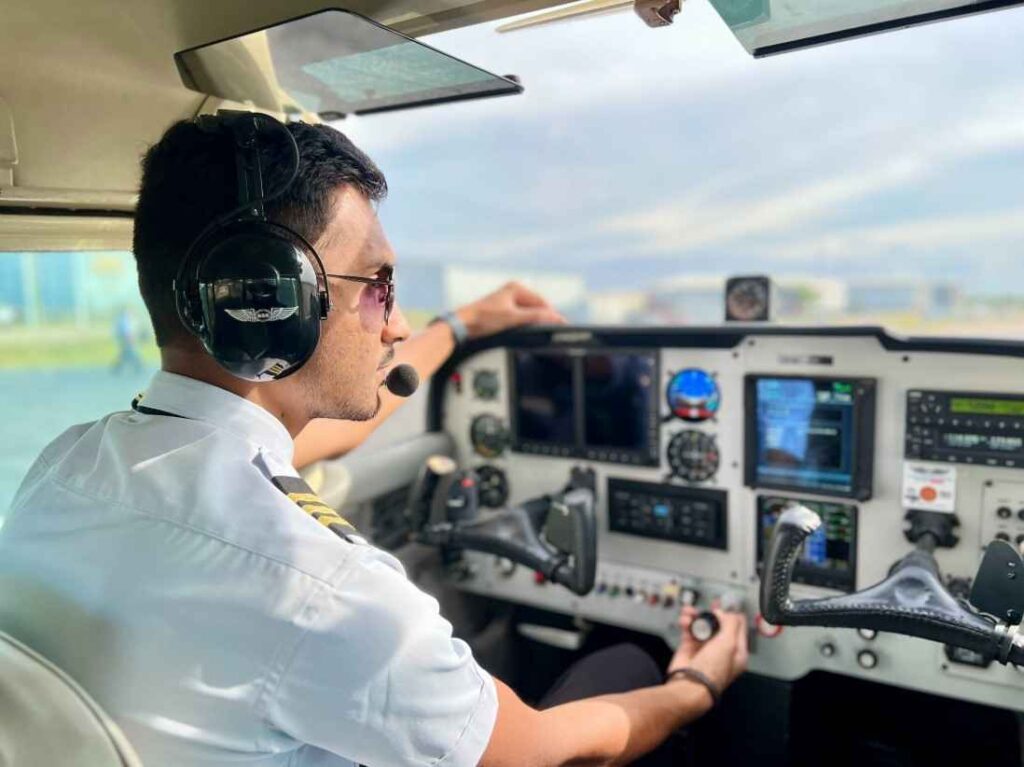
Once the aircraft reaches cruising altitude, the workload shifts from active maneuvering to careful monitoring. Pilots track fuel consumption, engine performance, weather updates, and navigation systems throughout this phase. Although autopilot systems handle much of the routine flying, human oversight remains essential, since automated systems can malfunction or encounter unexpected situations. Part of fulfilling pilot duties and responsibilities during cruise involves staying prepared for diversions, turbulence, or technical alerts that may require manual intervention. Pilots also use this time to coordinate with cabin crew regarding passenger needs or in-flight service, ensuring the entire team remains informed about the flight’s progress and any changes to the original plan.
Handling In-Flight Emergencies
Not every flight goes exactly as planned, and pilots must be ready to respond to emergencies at any moment. This could range from sudden equipment failure to medical incidents among passengers or unexpected severe weather. Training programs prepare pilots extensively for these scenarios, emphasizing quick assessment and decisive action. A major component of pilot duties and responsibilities involves following emergency checklists precisely while maintaining clear communication with air traffic control and cabin crew. Staying composed under pressure is essential, since panic can compromise judgment. Simulator training helps pilots practice these situations repeatedly, building the muscle memory needed to handle real emergencies calmly and effectively when they arise.
Executing Descent, Approach, and Landing
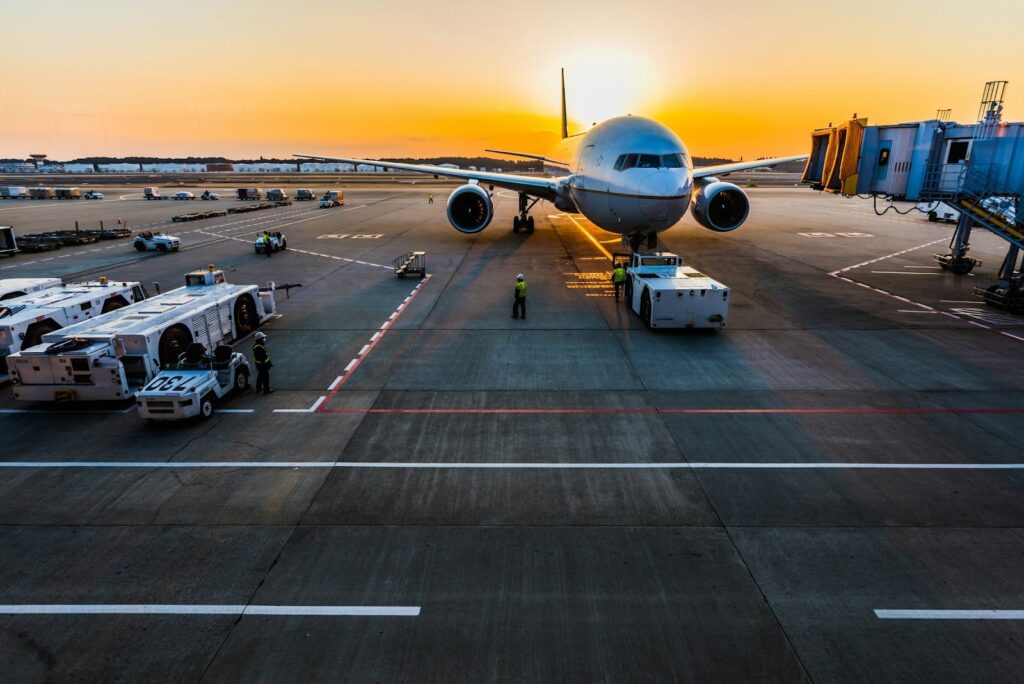
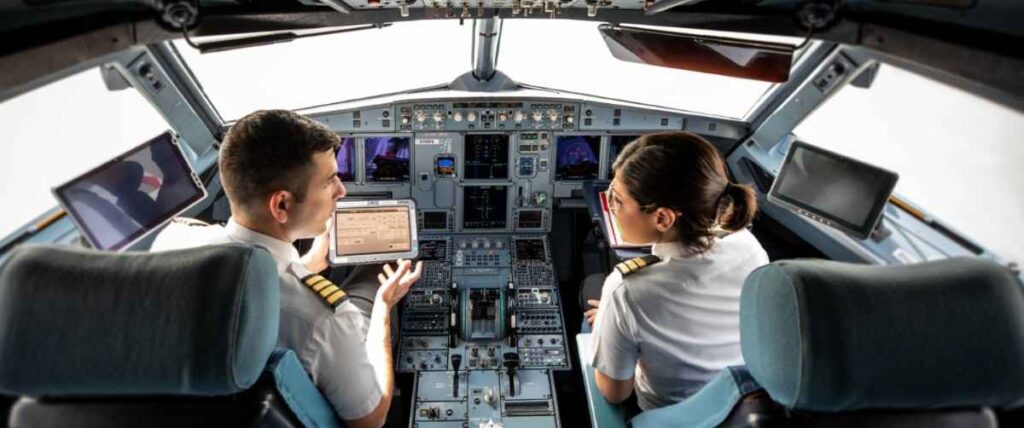
As a flight nears its destination, pilots begin the descent phase, carefully managing altitude, speed, and configuration changes. This stage requires close coordination with air traffic control to sequence the aircraft safely among others approaching the same airport. Pilot duties and responsibilities here include configuring flaps and landing gear at appropriate points, monitoring approach speed, and adjusting for crosswinds or visibility issues. Landing itself demands precise control, particularly during poor weather or on shorter runways. After touchdown, pilots manage braking, reverse thrust, and taxiing to the gate, ensuring the aircraft comes to a safe and controlled stop before handing over further ground procedures to airport staff.
Post-Flight Duties and Documentation
The job does not end once the aircraft parks at the gate. Pilots complete post-flight checklists, report any technical issues to maintenance teams, and log flight details for regulatory records. This documentation supports safety audits and helps airlines track aircraft performance over time. Fulfilling pilot duties and responsibilities after landing also includes debriefing with the crew, discussing any unusual events during the flight, and preparing notes for the next operating team if the aircraft continues on further routes. These administrative tasks, though less visible than flying itself, are essential for maintaining transparency and continuous improvement across an airline’s operations.
Maintaining Certification and Ongoing Training
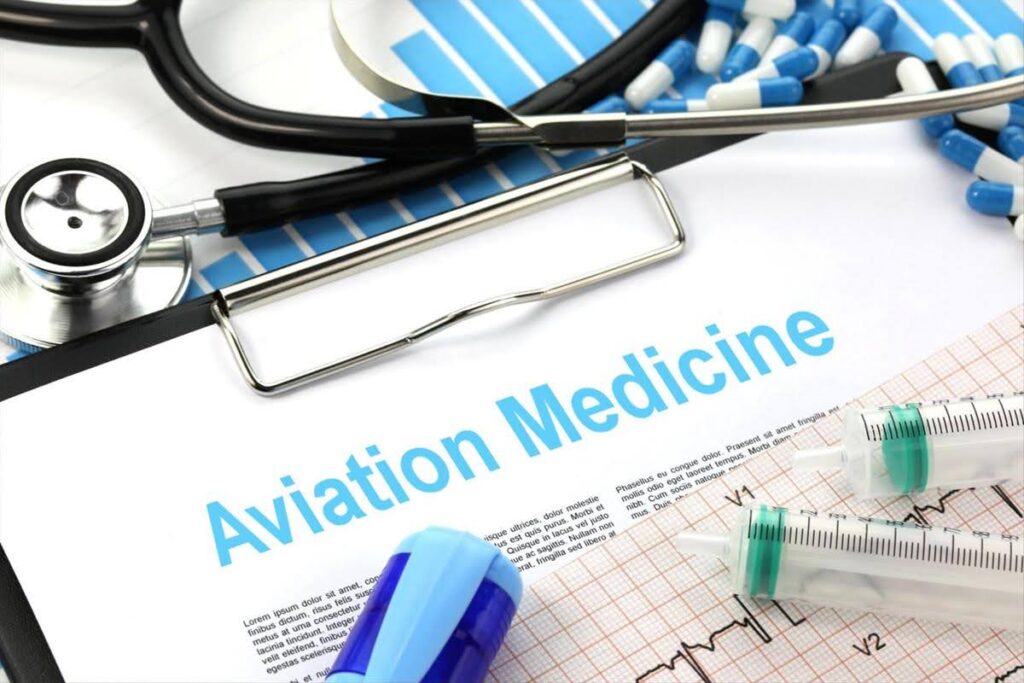
Beyond individual flights, pilots carry long-term responsibilities related to their licenses and skills. Regular medical examinations, recurrent training sessions, and simulator assessments are mandatory to maintain certification. Aviation regulations require pilots to stay updated on new procedures, aircraft systems, and safety protocols throughout their careers. This ongoing commitment reflects how seriously the industry treats pilot duties and responsibilities, recognizing that competence must be continuously verified rather than assumed. Many pilots also pursue additional ratings or type certifications to expand their capabilities, allowing them to operate different aircraft models or take on specialized roles such as instructor or check pilot within their organizations.
Conclusion
The role of a pilot involves far more than operating an aircraft from one point to another. From meticulous pre-flight planning to post-landing documentation, every stage of a flight carries specific tasks that demand skill, judgment, and unwavering attention to detail. Exploring pilot duties and responsibilities reveals a profession built on layered safety practices, continuous learning, and teamwork with ground staff, cabin crew, and air traffic controllers. Whether managing a routine flight or responding to an unexpected emergency, pilots carry the weight of passenger safety on every journey they undertake. This blend of technical mastery and calm decision-making is what truly defines excellence in aviation.