
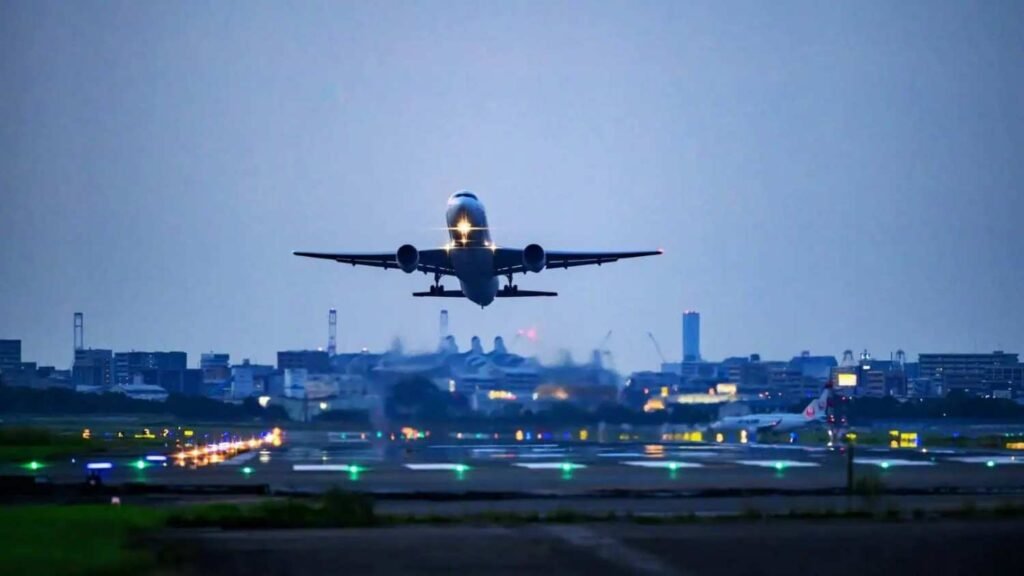
Air travel can be unpredictable, and keeping track of your journey has never been more important. Checking your flight status before heading to the airport can save you hours of frustration, especially during peak travel seasons or unpredictable weather conditions. Whether you are picking up a loved one, catching a connecting flight, or simply planning your day around your departure time, knowing the current flight status helps you make smarter decisions. Airlines and airports constantly update this information, reflecting changes in departure times, gate assignments, and potential delays. Ignoring this small step can lead to missed connections, long waits, or unnecessary stress. In today’s fast-paced world, travelers rely on instant access to accurate information, and understanding how to interpret flight status updates is a skill every flyer should have.
What Exactly Does Flight Status Mean
When people refer to flight status, they are talking about the current condition of a flight — whether it is on time, delayed, cancelled, boarding, or already in the air. This information is gathered from airline systems, air traffic control data, and airport operations centers. A flight can move through multiple stages, and each stage reflects a different status. For instance, a flight might show “scheduled” hours before departure, then shift to “boarding,” “departed,” “in flight,” and finally “landed.” Some systems also display “delayed” or “cancelled” labels when disruptions occur. Understanding these terms allows travelers to anticipate changes rather than being caught off guard. It’s not just about knowing if a flight is late; it’s about understanding the full journey from takeoff to touchdown, which gives passengers better control over their travel plans.
Common Ways to Check Flight Status
There are several reliable methods to check flight status, and most travelers use more than one depending on the situation. Airlines typically offer mobile apps that send push notifications directly to your phone, alerting you to any changes instantly. Airport websites also provide live departure and arrival boards that update in real time. Additionally, many third-party travel platforms compile data from multiple airlines, making it easy to compare flights side by side. Some travelers still prefer calling the airline directly, especially when dealing with complex itineraries or last-minute changes. Each method has its advantages, but combining digital tools with occasional direct communication with airline staff often yields the most accurate results.
Here are some popular ways to stay updated:
- Airline mobile applications with push notifications
- Airport digital departure and arrival boards
- Third-party flight tracking websites
- SMS or email alerts set up during booking
- Direct phone calls to airline customer service
- Social media updates from airlines during major disruptions
The Role of Technology in Real-Time Updates
Modern technology has transformed how travelers access flight status information. GPS tracking, satellite communication, and automated dependent surveillance broadcast systems allow flights to be monitored almost continuously once airborne. This means passengers, or those waiting for them, can see the exact location of an aircraft mid-flight, along with estimated arrival times. Airlines use this data to update their systems automatically, reducing the delay between an actual change and when it appears on your screen. Weather radar integration also plays a significant role, as many delays stem from storms, fog, or high winds.

By combining live positioning data with weather forecasting, airlines can provide more accurate predictions, helping passengers plan connections or ground transportation with greater confidence rather than relying on guesswork.
Why Flight Delays Happen So Often
Understanding the reasons behind delays helps travelers interpret flight status updates more calmly. Weather remains one of the leading causes, but it is far from the only one. Mechanical issues, crew scheduling conflicts, air traffic congestion, and even security concerns can all contribute to a shift in departure or arrival times. Airports with limited runway capacity often experience cascading delays, where one late flight affects several others throughout the day. Additionally, international flights may face customs or immigration processing delays that aren’t always reflected immediately in tracking systems. Recognizing these underlying causes can help passengers avoid frustration and instead focus on practical solutions, such as rebooking options or alternative routes, when disruptions occur unexpectedly during their travel plans.
How Airlines Communicate Status Changes
Airlines have developed multiple channels to communicate flight status changes efficiently. Beyond app notifications, many carriers now use automated voice calls and text messages to reach passengers who may not have their apps open. Gate agents also play a crucial role, especially during last-minute changes that haven’t yet updated digitally. Large airports often have information desks staffed specifically to help travelers understand shifting schedules. Some airlines have even begun using chatbots powered by artificial intelligence to answer status-related questions instantly, reducing wait times for customer service. This multi-channel approach ensures that even travelers without constant internet access can stay informed. Clear communication reduces confusion at the gate and helps maintain smoother boarding processes, benefiting both passengers and airline staff during busy travel periods.
Comparing Flight Status Terms
To make things easier, here’s a simple breakdown of common terms you might encounter when checking your flight:
| Status Term | What It Means |
|---|---|
| Scheduled | Flight is planned and has not yet begun boarding |
| Boarding | Passengers are currently being loaded onto the aircraft |
| Delayed | Departure or arrival time has been pushed back |
| Departed | Aircraft has left the gate or runway |
| In Flight | Aircraft is currently airborne |
| Landed | Aircraft has arrived at its destination |
| Cancelled | Flight will not operate as originally planned |
| Diverted | Flight has been rerouted to a different airport |
Familiarizing yourself with these terms makes it easier to interpret updates quickly, without needing to call customer service every time something changes.
Tips for Managing Unexpected Changes
Even with the best tracking tools, unexpected changes can still catch travelers off guard. Having a backup plan is essential, especially for connecting flights with tight layovers. Travelers should always allow extra buffer time when possible, particularly during winter months or hurricane season when weather-related delays are more common. Keeping essential items like medication, chargers, and a change of clothes in carry-on luggage can make waiting periods more bearable if a flight is delayed overnight. It also helps to know your rights as a passenger, since many airlines offer compensation or rebooking assistance for significant disruptions. Staying calm and proactive, rather than reactive, often leads to better outcomes when navigating sudden shifts in your travel schedule.
Some practical strategies include:
- Setting multiple alerts across different apps
- Arriving early to allow time for gate changes
- Keeping a physical copy of your itinerary
- Knowing the airline’s rebooking policy in advance
- Following the airport’s official social media accounts
The Impact of Flight Status on Ground Transportation
Many travelers forget that flight status doesn’t just affect the passengers on the plane — it also influences those waiting on the ground. Family members picking someone up, rideshare drivers, and shuttle services all rely on accurate updates to time their arrivals correctly. Airports have adapted by displaying real-time boards not just at gates but also in parking areas and pickup zones. This reduces unnecessary waiting and congestion outside terminals. For business travelers, coordinating meetings around a flight’s expected arrival becomes much easier when accurate data is available. As airports grow busier, this ripple effect of accurate status tracking extends beyond the passenger experience, influencing traffic flow, staffing decisions, and even local transportation scheduling around major hubs.
Future Trends in Flight Tracking
Looking ahead, the way travelers access flight status is likely to become even more integrated and predictive. Artificial intelligence is already being used to forecast potential delays before they officially happen, based on historical patterns and current conditions. Wearable technology, such as smartwatches, increasingly displays real-time updates without requiring travelers to check their phones. Some airports are experimenting with augmented reality displays that guide passengers directly to their gates while showing live status updates along the way. As data-sharing between airlines, airports, and air traffic control continues to improve, the accuracy and speed of these updates will only get better. This evolution promises a smoother, more transparent travel experience for everyone involved in the journey.
Conclusion
Staying on top of your flight status is no longer optional in today’s fast-moving travel environment — it’s a necessity. From understanding basic terminology to leveraging modern tracking technology, travelers now have more tools than ever to stay informed and reduce stress. Delays and disruptions will always be a part of air travel, but how you respond to them makes all the difference. By combining reliable apps, airport resources, and a bit of preparation, you can navigate even the most unpredictable journeys with confidence. Whether you’re a frequent flyer or an occasional traveler, making flight status checks a regular habit ensures smoother transitions, better planning, and ultimately, a more enjoyable travel experience from takeoff to landing.