
Who Is a Commercial Airline Pilot
A commercial airline pilot is a trained aviation professional responsible for operating aircraft that transport passengers and cargo across domestic and international routes. This role demands technical mastery, sharp decision-making, and unwavering attention to safety protocols. Unlike private pilots who fly for personal reasons, a commercial airline pilot works within a structured system involving co-pilots, air traffic controllers, ground crews, and dispatchers. Every flight requires careful coordination, from pre-flight inspections to in-air navigation and safe landings. The profession blends technical skill with leadership, since pilots must manage crew members while ensuring passenger comfort and safety. Many people are drawn to this career because of the travel opportunities, competitive compensation, and the sense of responsibility that comes with commanding an aircraft. However, becoming a commercial airline pilot is a long journey that involves education, flight hours, and multiple certifications before ever stepping into a cockpit professionally.
Educational Requirements
Most airlines expect candidates to hold at least a bachelor’s degree, though the specific field of study can vary widely. Degrees in aviation, engineering, mathematics, or physics are common choices because they build a strong technical foundation. That said, some commercial airline pilot candidates enter the field through military service, which provides extensive flight training and real-world experience. Regardless of the educational path chosen, strong performance in mathematics and physics is essential, since pilots must understand aerodynamics, weather patterns, and navigation systems. Communication skills are equally important, as pilots constantly interact with air traffic control and crew members. Beyond academics, aspiring pilots need to pass rigorous medical examinations to confirm they meet the physical and psychological standards required for handling high-pressure situations. Education lays the groundwork, but practical training is what truly prepares someone for the responsibilities of flying commercial aircraft.
Flight Training and Certification
The path to becoming a commercial airline pilot involves multiple stages of certification. Candidates typically begin with a private pilot license, which introduces basic flying skills and aircraft handling. From there, they pursue an instrument rating, allowing them to fly using cockpit instruments rather than relying solely on visual cues. The next major milestone is earning a commercial pilot license, which permits paid flying but still requires additional hours before qualifying for airline positions. Most aspiring pilots also complete a multi-engine rating, since commercial aircraft typically have more than one engine. Eventually, candidates must obtain an Airline Transport Pilot certificate, the highest level of aviation credential, which requires a minimum number of flight hours along with passing written and practical examinations. This certification process can take several years, combining classroom instruction, simulator training, and countless hours of supervised flying before someone is fully qualified.
Building Flight Hours
Accumulating flight hours is one of the most time-consuming parts of becoming a commercial airline pilot. Regulatory bodies typically require candidates to log 1,500 hours of flight time before qualifying for an Airline Transport Pilot certificate. Many aspiring pilots gain these hours by working as flight instructors, banner tow pilots, or cargo pilots for smaller operations. Others join regional carriers that offer structured pathways for newer pilots to build experience before transitioning to larger aircraft. This stage tests patience and dedication, since building hours often means working irregular schedules and lower pay compared to established airline positions. Simulator time also plays a growing role in modern training, allowing pilots to practice emergency procedures and complex scenarios without real-world risk. By the time a commercial airline pilot reaches the required hours, they have typically flown in diverse weather conditions and handled a wide range of operational challenges.
Essential Skills for Success
Beyond technical knowledge, a commercial airline pilot must develop a specific set of soft and hard skills. Situational awareness is critical, since pilots must constantly monitor instruments, weather changes, and air traffic while maintaining composure under pressure. Strong communication skills help pilots coordinate effectively with co-pilots, cabin crew, and air traffic controllers, especially during emergencies. Decision-making abilities are tested regularly, as pilots must quickly assess risks and choose the safest course of action. Physical stamina also matters, given that long-haul flights can involve extended periods of alertness across multiple time zones. Additionally, adaptability is important because weather delays, mechanical issues, or scheduling changes are common in aviation. Leadership qualities help pilots manage their crew effectively, ensuring smooth operations throughout the flight. Together, these skills allow a commercial airline pilot to handle both routine operations and unexpected challenges with confidence and precision.
Career Progression and Advancement
Career growth for a commercial airline pilot typically follows a structured hierarchy. Many pilots start at regional airlines, flying smaller aircraft on shorter routes to build experience and seniority. Over time, with sufficient flight hours and a clean safety record, pilots can move to major carriers offering long-haul international routes. Advancement often depends on seniority systems, where pilots bid for schedules, aircraft types, and routes based on their tenure. Some pilots choose to specialize in cargo operations, while others pursue leadership roles such as training captains or check airmen who evaluate other pilots. Continuous education remains essential throughout a pilot’s career, since aircraft technology and safety regulations evolve constantly. Recurrent training and simulator checks occur regularly to ensure pilots maintain proficiency. This ongoing progression reflects the aviation industry’s emphasis on safety, expertise, and gradual skill development throughout a long-term career.
Salary and Job Outlook
Compensation for a commercial airline pilot varies significantly based on experience, aircraft type, and airline size. Entry-level positions at regional carriers often offer modest starting salaries, while senior captains at major airlines can earn substantially higher compensation. Factors such as flight hours, route type, and seniority all influence earning potential. International routes and wide-body aircraft typically come with higher pay due to increased responsibility and complexity. The job outlook for this profession remains steady, driven by global travel demand and periodic pilot shortages caused by retirements and industry growth. Economic fluctuations can affect hiring trends, but the long-term demand for skilled pilots tends to remain consistent. Benefits packages often include retirement plans, health coverage, and travel privileges, making the profession attractive despite its demanding training requirements. Overall, a commercial airline pilot career offers strong earning potential once pilots reach senior positions within established airlines.
Work Schedule and Lifestyle
The lifestyle of a commercial airline pilot differs significantly from traditional office careers. Schedules often include irregular hours, overnight layovers, and extended time away from home, especially for those flying international routes. Many pilots work on rotating schedules, balancing several days of flying with periods of rest mandated by aviation regulations to prevent fatigue. Time zone changes can affect sleep patterns, requiring pilots to develop strategies for managing jet lag and maintaining alertness. Despite these challenges, many professionals value the variety and travel opportunities that come with the job. Layovers in different cities allow pilots to experience new places, though rest remains a priority given strict duty-time regulations. Family life requires careful planning, since schedules can include holidays and weekends. For many, the unique rhythm of this career becomes a defining feature that sets it apart from conventional nine-to-five professions.
Technology and Modern Aviation
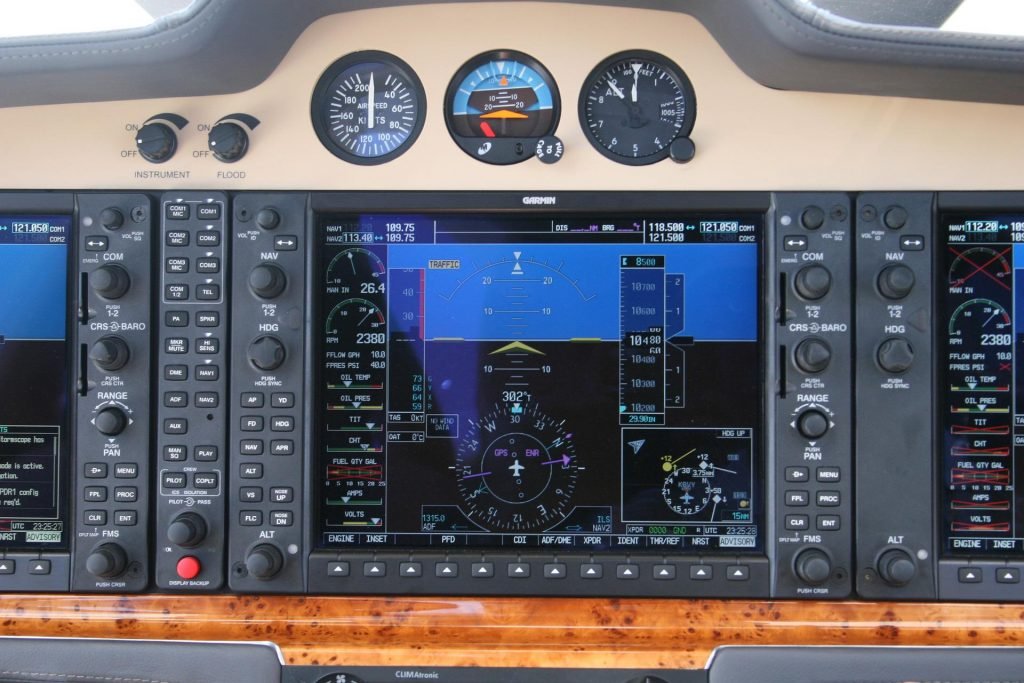
Modern aircraft have transformed the responsibilities of a commercial airline pilot through advanced automation and digital systems. Flight management computers, autopilot systems, and real-time weather tracking have improved safety and efficiency, though pilots must still understand manual operations for emergencies. Glass cockpits, featuring digital displays instead of traditional analog gauges, require pilots to master new interfaces during training. Enhanced communication systems allow better coordination with ground control and other aircraft, reducing the likelihood of errors. Simulator technology has also advanced significantly, enabling realistic practice of rare emergency scenarios without actual risk. As automation increases, the role of a commercial airline pilot shifts toward monitoring systems and making critical decisions rather than performing every manual task. This evolution requires continuous learning, as pilots must stay updated on new technologies while retaining core piloting skills. The blend of human expertise and modern technology continues to shape the future of commercial aviation.
Physical and Mental Demands
The role of a commercial airline pilot places significant physical and mental demands on individuals. Regular medical examinations ensure pilots maintain the vision, hearing, and overall health necessary for safe operations. Mental sharpness is equally important, as pilots must process large amounts of information quickly during critical phases of flight such as takeoff and landing. Stress management skills help pilots remain calm during turbulence, mechanical issues, or unexpected weather changes. Fatigue management is a major focus within the industry, with strict regulations governing rest periods between flights. Many pilots adopt personal routines involving exercise, proper nutrition, and sleep hygiene to maintain peak performance. Psychological resilience also plays a role, since handling passenger emergencies or difficult situations requires composure and clear thinking. These demands highlight why training for a commercial airline pilot extends beyond technical knowledge to include physical and mental preparedness for the realities of the job.