
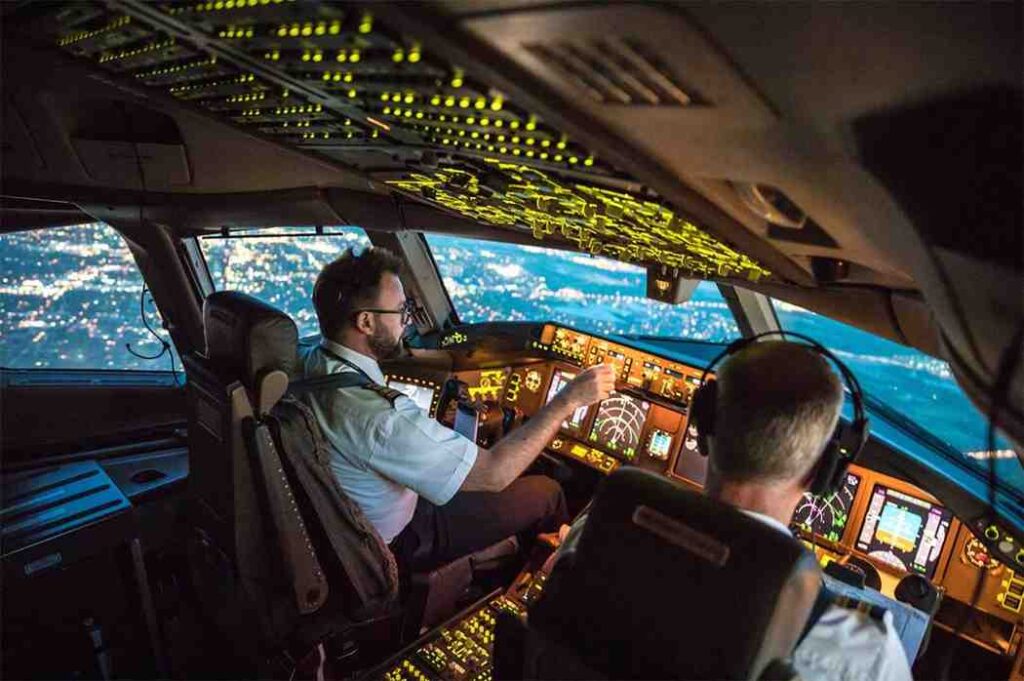
Aviation technology moves faster than most passengers realize, and the flight deck is where that progress shows up first. An aircraft cockpit upgrade is no longer a luxury reserved for new-generation jets; it has become a practical necessity for operators trying to keep older airframes relevant. Airlines, cargo carriers, and private owners are all discovering that outdated instrumentation quietly limits performance, raises maintenance costs, and increases pilot workload. As global airspace becomes more congested and regulatory bodies tighten navigation and communication standards, aircraft that still rely on analog dials or first-generation digital displays start falling behind. Upgrading the cockpit is one of the most cost-effective ways to extend an aircraft’s operational life while aligning it with current safety expectations. It bridges the gap between legacy engineering and the demands of a data-driven flying environment.
What an Aircraft Cockpit Upgrade Actually Involves
At its core, an aircraft cockpit upgrade refers to replacing or enhancing the instruments, displays, and control systems that pilots use to fly and monitor the aircraft. This can range from a modest retrofit, such as swapping mechanical gauges for digital readouts, to a complete glass cockpit transformation involving multifunction displays, integrated flight management systems, and advanced autopilot logic. Many upgrades also include improved communication radios, updated transponders, weather radar enhancements, and terrain awareness systems. The scope depends heavily on the aircraft type, its age, and the mission it performs. A private turboprop owner might prioritize simplified navigation, while a regional airline may need full compliance with airspace modernization mandates. Regardless of scale, the goal remains consistent: give pilots clearer, faster, and more reliable information.
Key Drivers Behind the Growing Demand
Several forces are pushing operators toward modernization, and understanding them helps explain why this trend keeps accelerating.
- Aging avionics that are difficult or expensive to source replacement parts for
- Regulatory shifts requiring updated navigation and surveillance technology
- Rising fuel costs that make efficient flight planning tools essential
- Increased pilot workload concerns tied to outdated interface design
- Growing insurance and resale value benefits tied to modern equipment
These pressures rarely act in isolation. A carrier facing parts obsolescence often finds that solving that single problem naturally opens the door to broader improvements, since new systems are typically designed to integrate several functions at once rather than replacing components piecemeal.
Safety Improvements That Justify the Investment
Safety remains the strongest argument for any aircraft cockpit upgrade. Older instrument clusters force pilots to cross-reference multiple gauges manually, which increases the chance of misreading critical data during high-stress phases of flight. Modern glass displays consolidate this information into intuitive, color-coded screens that highlight anomalies immediately. Enhanced ground proximity warning systems, synthetic vision, and traffic collision avoidance tools further reduce the margin for human error. Weather radar integration allows pilots to make earlier, better-informed decisions around storm systems rather than reacting late.. When regulators and insurers evaluate an aircraft’s risk profile, cockpit technology plays a significant role, often influencing premiums and operational approvals in ways owners don’t anticipate until they compare upgraded and non-upgraded fleets side by side.
Efficiency and Cost Benefits Beyond the Cockpit
While safety drives much of the conversation, the financial case for an aircraft cockpit upgrade is equally compelling. Modern flight management systems calculate more precise routing, helping reduce fuel burn on longer trips. Digital displays also lower maintenance overhead since electronic components are generally more reliable than mechanical gauges prone to wear. Diagnostic tools built into upgraded systems can flag issues before they become costly failures, shifting maintenance from reactive to predictive. Operators frequently report reduced downtime because troubleshooting digital systems takes less time than isolating faults in analog wiring. Additionally, aircraft with modernized cockpits tend to hold higher resale value, since buyers increasingly avoid airframes that would require expensive retrofits shortly after purchase. Over a multi-year ownership period, these combined savings often offset the upfront cost of the upgrade itself.
Common Types of Cockpit Upgrades
Not every upgrade looks the same, and operators typically choose a path based on budget, aircraft category, and mission requirements. The table below outlines common upgrade categories and their primary purpose.
| Upgrade Type | Primary Purpose | Typical Aircraft |
|---|---|---|
| Glass cockpit conversion | Replace analog gauges with digital displays | General aviation, regional jets |
| Flight management system update | Improve navigation and route optimization | Commercial airliners |
| Communication and transponder upgrade | Meet airspace and ADS-B requirements | All aircraft classes |
| Autopilot enhancement | Reduce pilot workload during cruise and approach | Business jets, turboprops |
| Terrain and traffic awareness systems | Increase situational awareness and collision avoidance | Commercial and private fleets |
This variety shows why an aircraft cockpit upgrade is rarely a one-size-fits-all decision. Operators often phase upgrades over time, starting with compliance-driven changes before layering in performance enhancements.
Challenges Operators Face During the Process
Despite the clear benefits, upgrading a cockpit is not without complications. Certification requirements can be lengthy, particularly for commercial aircraft where every new component must pass rigorous testing before approval. Retrofitting older airframes sometimes requires structural modifications to accommodate new wiring or display housings, adding unexpected cost and downtime. Pilot training is another factor operators must budget for, since transitioning from analog to digital interfaces changes scan patterns and decision-making habits, even for experienced crews. Supply chain delays for avionics components have also become more common in recent years, stretching upgrade timelines beyond initial estimates. Smaller operators without dedicated maintenance teams may struggle to coordinate the logistics of an aircraft cockpit upgrade alongside regular flight schedules, making careful planning and a trusted avionics partner essential to keeping the project on track.
Choosing the Right Avionics Partner
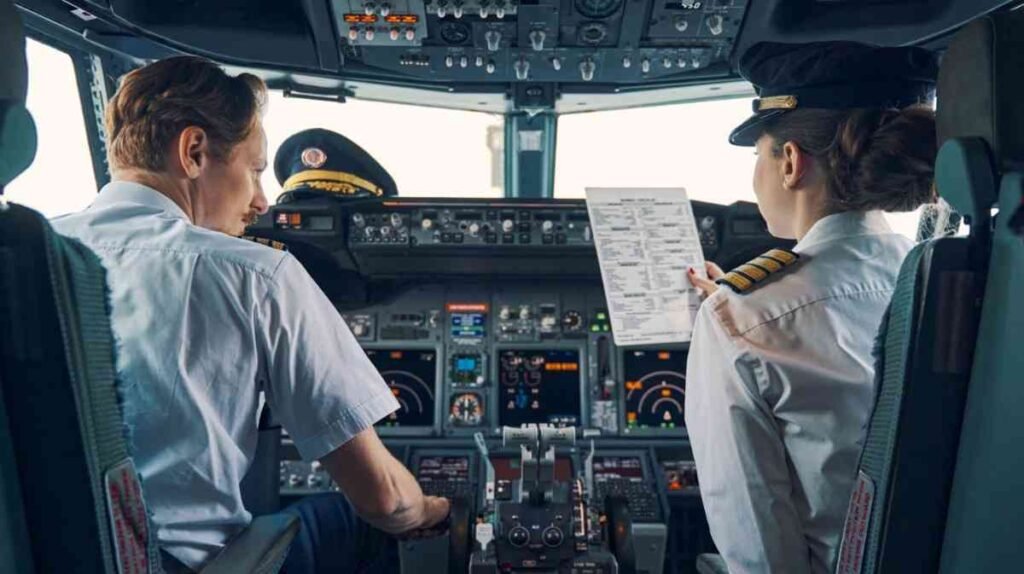
Selecting a qualified provider often determines whether an upgrade project runs smoothly or turns into a prolonged headache. Operators should look for shops with specific experience on their aircraft type, verifiable certification history, and transparent timelines for parts availability. It also helps to ask about post-installation support, since new systems occasionally need calibration adjustments after the aircraft returns to regular service. A reputable provider will walk owners through which components are mandatory for compliance versus optional performance enhancements, helping avoid overspending on features that don’t match the aircraft’s mission profile. Getting multiple quotes and speaking with other operators who have completed similar work is one of the most reliable ways to gauge quality before committing to a long-term project.
Looking Ahead: Where Cockpit Technology Is Headed
The pace of change in flight deck design shows no signs of slowing. Touchscreen interfaces, voice-assisted controls, and AI-driven flight monitoring are already appearing in newer aircraft and will likely trickle down into retrofit packages over the coming years. Predictive maintenance software tied directly into cockpit systems is expected to become standard, giving operators real-time insight into component health rather than relying solely on scheduled inspections. As airspace management systems evolve globally, future aircraft cockpit upgrade packages will likely place even greater emphasis on connectivity, allowing aircraft to communicate more seamlessly with ground control and other traffic. Owners who invest in modernization now position themselves to adapt more easily as these next-generation standards arrive, rather than facing another disruptive overhaul a few years down the line.
Conclusion
An aircraft cockpit upgrade represents far more than a technical refresh; it’s a strategic decision that touches safety, cost efficiency, regulatory standing, and long-term asset value. Whether the goal is meeting new airspace mandates, reducing pilot workload, or simply keeping an aging aircraft competitive, the benefits consistently outweigh the disruption of the upgrade process itself. Operators who approach the project with clear priorities, a qualified avionics partner, and realistic timelines tend to see the smoothest transitions and the strongest returns. As aviation technology continues advancing, aircraft that lag behind in cockpit capability will face growing operational and financial pressure. Investing in an upgrade today isn’t just about keeping pace with regulations, it’s about building a safer, more efficient, and more future-ready flying experience for pilots and passengers alike.