
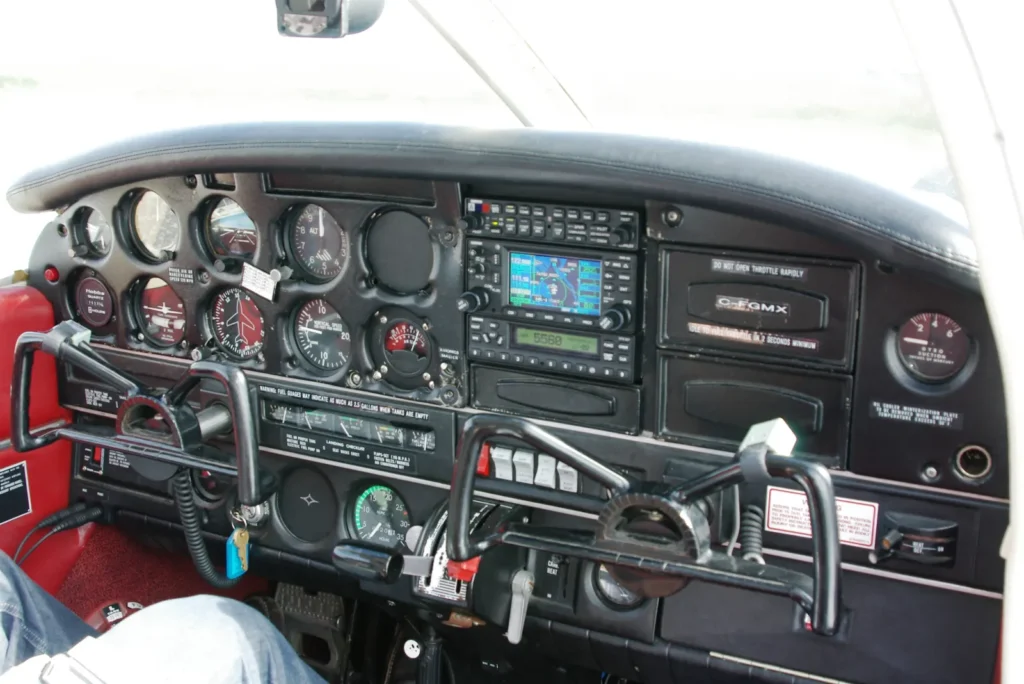
Checklist discipline is one of those habits that sounds boring until the day it saves you. Most of us learn early that a pilot checklist exists, but using it well, every flight, even when you are tired, late or confident, is a skill that takes deliberate practice. Here is how I think about it and how I keep my own habits honest.
Why Good Pilots Still Skip Items
Skipped items rarely come from ignorance. They come from interruption, rush and familiarity. A passenger asks a question halfway through the before-takeoff checks. The ramp is busy and you want to get moving. You have flown the same airplane a hundred times, so your eyes slide over the list. None of that makes you careless; it makes you human, which is exactly why a written list exists.
Read-and-Do Versus Do-and-Verify
There are two common ways to use a checklist, and both work if you pick one on purpose:
- Read-and-do: you read each item and then perform it. This suits unfamiliar airplanes and training flights.
- Do-and-verify: you work from memory or a flow pattern, then confirm everything against the list. This is common once you know the airplane well.
Whichever you use, follow what your instructor, your operator and the aircraft handbook call for. For the airplane you fly, the approved checklist in the handbook is the final word, so treat any list I describe as a general habit, not a substitute for it.
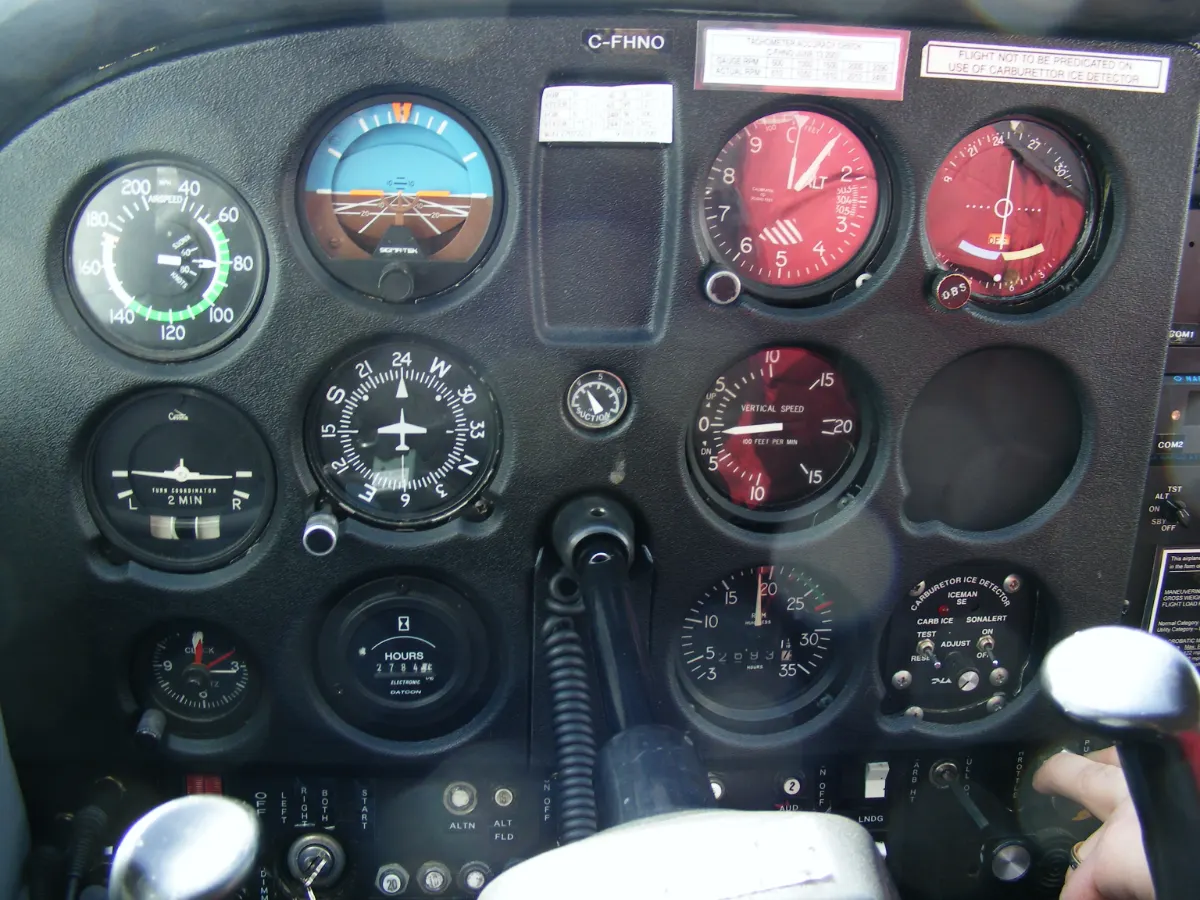
Build a Routine Around Interruptions
Interruptions are the real enemy. These are the tricks that help me:
- Touch the item. Physically point at or touch the control or switch you are checking.
- Say it out loud. Speaking the item and the response engages another part of your brain.
- Mark your place. If you are interrupted, put a finger on the line or restart the section from the top rather than guessing where you were.
- Pause the conversation. Tell passengers you need a moment of quiet during critical checks.
Use Checklists at the Right Moments
A checklist helps most at transitions: before engine start, before takeoff, before landing and after shutdown. I make a point of not rushing these. A careful walkaround, including a proper fuel sump check, takes minutes and catches problems on the ground where they are cheap. In flight, a checklist for abnormal situations is best learned in advance so the first time you open it is not during the emergency.
Pair Checklists With Your Personal Rules
A checklist tells you what to do. Your personal rules tell you when not to go at all. If you have not written yours yet, my guide to personal minimums for VFR pilots is a good place to start, and the thinking behind it connects with pilot decision making. Used together, they cover both the mechanical and the judgment side of a flight.
Common Mistakes to Watch For
- Checking from memory only and never confirming against the list.
- Skipping the list on short or familiar flights, which is exactly when complacency creeps in.
- Using an outdated or generic checklist instead of the one for your specific airplane.
- Treating the list as a formality and answering items without actually looking.
Bottom Line
A checklist only works if you use it the same way every time. Pick your method, protect it from interruptions, and slow down at the transitions. Always follow your approved checklist and instructor guidance, and verify requirements against current FAA sources and your aircraft handbook. The flights where you feel least like opening the list are usually the ones where it matters most.

