
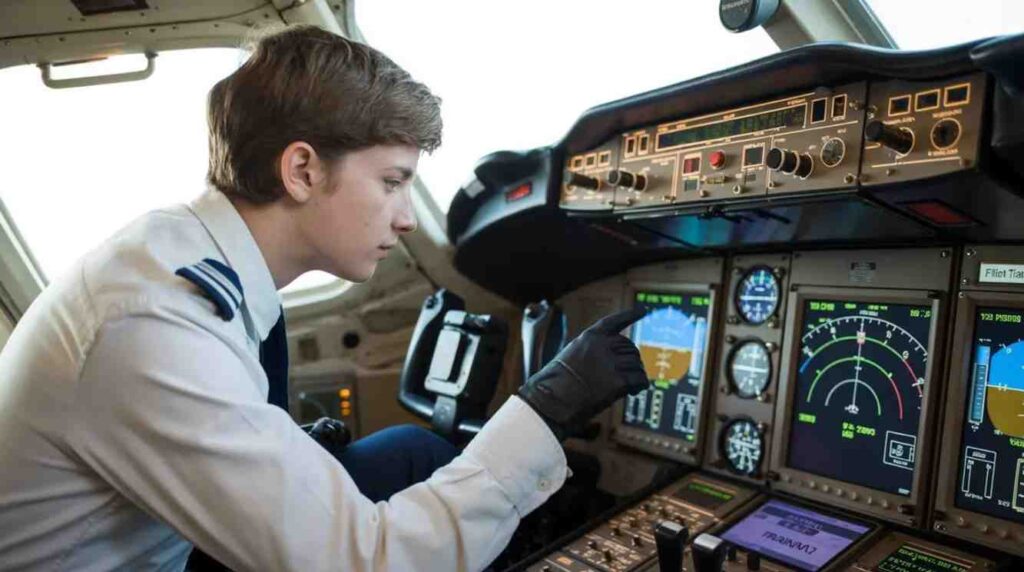
A cockpit is one of the busiest workspaces imaginable. Within seconds, a pilot might be adjusting throttle settings, scanning instruments, listening to air traffic control, and briefing a co-pilot on the next maneuver. This is exactly why pilot multitasking skills sit at the core of aviation training. Unlike many professions where tasks can be handled one at a time, flying demands constant parallel processing of information, often under pressure and with little room for error.
The ability to juggle multiple streams of information without losing focus on any single one is not a natural talent for most people. It is built, refined, and tested repeatedly through simulators, checklists, and real flight hours. When pilot multitasking skills are strong, a flight crew can absorb sudden changes, like a weather shift or a system alert, without abandoning the primary task of flying the aircraft safely.
The Core Components of Effective Multitasking in Aviation
Multitasking in the cockpit is not about doing several things carelessly at once. It is a structured skill built from smaller, trainable habits.
- Scanning instruments in a consistent pattern rather than fixating on one gauge
- Prioritizing tasks based on urgency, following the “aviate, navigate, communicate” principle
- Delegating responsibilities clearly between crew members
- Maintaining situational awareness even while performing routine checks
These components work together. A pilot who scans instruments well but cannot prioritize urgent tasks may still miss a critical warning. Similarly, someone who delegates poorly can overload themselves even when other skills are solid. This is why pilot multitasking skills are taught as an interconnected system rather than isolated abilities during flight school and recurrent training programs.
How Flight Schools Build Multitasking Ability
Flight training rarely throws a student into full complexity on day one. Instructors introduce tasks gradually, starting with basic aircraft control before layering in radio communication, navigation, and emergency procedures. This staged approach allows pilot multitasking skills to develop naturally rather than through overwhelming exposure.
Simulator sessions play a huge role here. Because simulators can pause, replay, and introduce controlled failures, students get repeated exposure to high-pressure scenarios without real-world risk. A common exercise involves handling a simulated engine failure while still communicating with air traffic control and managing passenger safety announcements. Over time, what once felt chaotic becomes manageable, and reactions become faster and more automatic.
Checklists also deserve mention. They may seem like simple paperwork, but they train the brain to move through sequences efficiently while still monitoring the aircraft. Mastering checklist flow while staying alert to unexpected changes is one of the clearest demonstrations of applied pilot multitasking skills in a training environment.
Cognitive Science Behind Pilot Multitasking
Human brains are not naturally wired to perform two demanding cognitive tasks simultaneously with full attention on both. What appears to be multitasking is often rapid task-switching, where attention moves back and forth quickly enough to feel seamless. Understanding this helps explain why pilot training emphasizes prioritization so heavily.
Research in aviation psychology shows that skilled pilots develop what is sometimes called “chunking,” where routine sequences of actions become grouped into a single mental unit rather than several separate decisions. This frees up cognitive capacity for unexpected events. Strong pilot multitasking skills are, in many ways, the visible result of this chunking process combined with disciplined attention management.
Fatigue, stress, and unfamiliar environments can all disrupt this efficiency. That is why airlines closely monitor rest schedules and workload distribution, recognizing that even highly trained multitasking ability has limits when the brain is under strain.
Common Challenges Pilots Face While Multitasking
Even experienced aviators encounter situations that test their limits. Some of the most frequent challenges include:
- Sudden equipment malfunctions requiring immediate diagnosis
- Managing conflicting instructions from air traffic control during busy airspace
- Balancing passenger or cargo concerns with technical flight demands
- Handling unexpected weather changes mid-flight
https://en.wikipedia.org/wiki/Aircraft_pilot
Each of these situations places extra load on cognitive resources. A pilot who has practiced strong prioritization habits can quickly identify what matters most and set aside less urgent tasks temporarily. Without this discipline, attention can become scattered, increasing the risk of small mistakes compounding into larger problems. This is precisely why airlines invest heavily in recurrent training that keeps pilot multitasking skills sharp long after initial certification.
The Role of Crew Resource Management
Modern aviation safety owes much of its progress to Crew Resource Management, a framework built around communication, teamwork, and shared workload. Rather than expecting a single pilot to manage everything alone, this approach distributes tasks across the flight deck.
Crew Resource Management reinforces pilot multitasking skills by teaching pilots when to hand off responsibilities rather than trying to handle every task independently. For example, during an in-flight emergency, one pilot might focus entirely on flying the aircraft while the other manages checklists and communication. This division reduces individual cognitive load and improves overall decision-making quality.
Training in this area also covers assertive communication, ensuring that any crew member can speak up if they notice something being missed. This collaborative safety net strengthens the entire system, making multitasking a shared responsibility rather than a solo burden.
Table: Key Multitasking Demands Across Flight Phases
| Flight Phase | Primary Tasks | Multitasking Demand |
|---|---|---|
| Takeoff | Aircraft control, speed monitoring, communication | High |
| Cruise | Navigation checks, fuel monitoring, weather updates | Moderate |
| Descent | Approach planning, altitude adjustments, communication | High |
| Landing | Precision control, runway awareness, checklist completion | Very High |
| Emergency Situations | Diagnosis, crew coordination, passenger safety | Extreme |
This table highlights how demand shifts throughout a flight rather than staying constant. Recognizing these shifts helps trainee pilots understand when to expect peak workload and prepare accordingly.
Technology’s Influence on Multitasking Demands
Modern avionics have changed how pilots manage multiple responsibilities. Glass cockpits, automated systems, and advanced alerting tools reduce some manual workload but introduce new demands, such as monitoring automation behavior and understanding when to intervene manually.
Some experts argue that automation has shifted the nature of pilot multitasking skills rather than eliminating the need for them. Instead of manually tracking every gauge, pilots now monitor systems that manage several functions automatically, requiring a different kind of vigilance. Over-reliance on automation without maintaining manual proficiency has even been flagged as a safety concern in several industry reports.
This means training programs must balance teaching traditional multitasking under manual control with newer skills related to system monitoring and automation management. Both remain essential, and neither fully replaces the other.
Improving Multitasking Ability Beyond the Cockpit
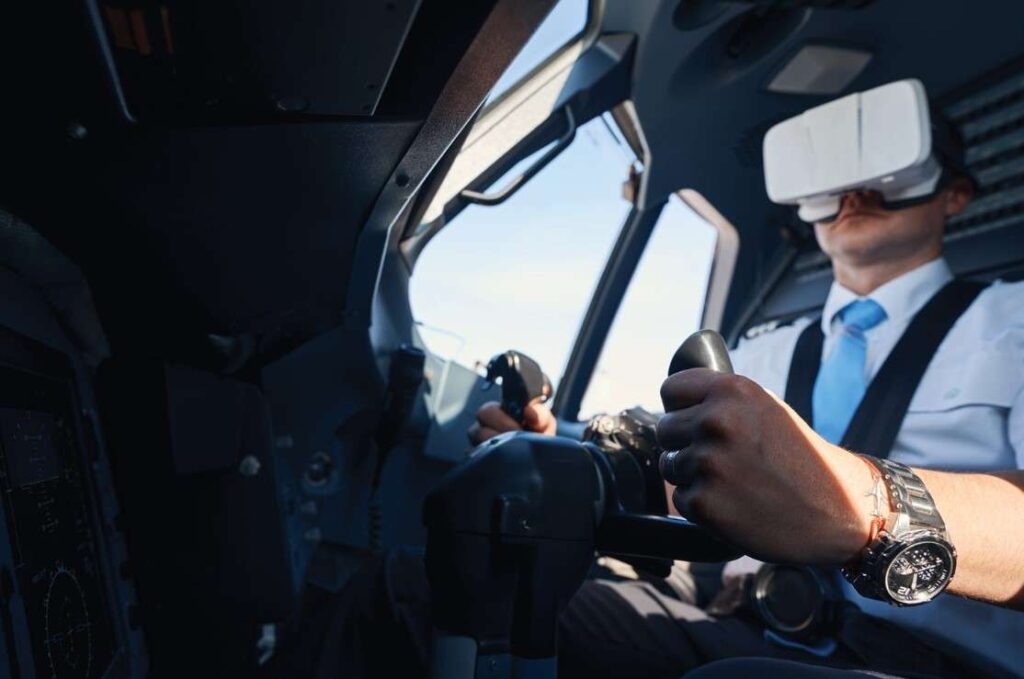
Interestingly, many of the habits that strengthen pilot multitasking skills can be practiced outside flight training as well. Structured routines, mindfulness practices, and deliberate attention exercises all contribute to better cognitive flexibility. Some flight schools even encourage students to engage in activities requiring quick decision-making under mild pressure, such as certain sports or strategy games, as supplementary mental conditioning.
Sleep quality and physical health also play a surprisingly large role. Cognitive researchers consistently find that well-rested individuals perform significantly better on tasks requiring divided attention compared to those experiencing sleep deprivation. For pilots, this translates directly into safer, more reliable performance in the cockpit.
Building these supporting habits does not replace formal aviation training, but it reinforces the foundation needed for pilot multitasking skills to function effectively when it matters most.
Why Airlines Prioritize Multitasking Assessment
During hiring and recurrent evaluations, airlines place significant emphasis on assessing multitasking capability. Psychometric testing, simulator assessments, and structured interviews often include scenarios designed specifically to reveal how candidates handle competing demands.
This scrutiny exists because passenger safety depends heavily on a crew’s ability to remain composed and effective when multiple issues arise simultaneously. An applicant may demonstrate excellent technical flying ability but still be flagged if their multitasking response under simulated pressure shows signs of tunnel vision or poor prioritization.
Ongoing evaluation continues throughout a pilot’s career. Regular simulator checks, often required multiple times per year, ensure that pilot multitasking skills remain sharp rather than fading after initial certification. This continuous reinforcement is part of why commercial aviation maintains such a strong safety record despite the inherent complexity of flight operations.
Final Thoughts on Mastering Multitasking as a Pilot
Flying an aircraft safely has never been about doing one thing well in isolation. It requires the coordinated management of instruments, communication, decision-making, and teamwork, often all at once and under time pressure. Strong pilot multitasking skills are what allow experienced aviators to remain calm and effective when situations become complex or unpredictable.
From structured flight training and Crew Resource Management to the cognitive science behind attention and chunking, every layer of aviation education works toward building this capability. As technology continues to evolve, the specific nature of these demands may shift, but the underlying need for sharp, well-practiced multitasking will remain central to safe flying. For anyone pursuing a career in aviation, recognizing this early and committing to consistent practice is one of the most valuable steps toward becoming a truly capable pilot.

