
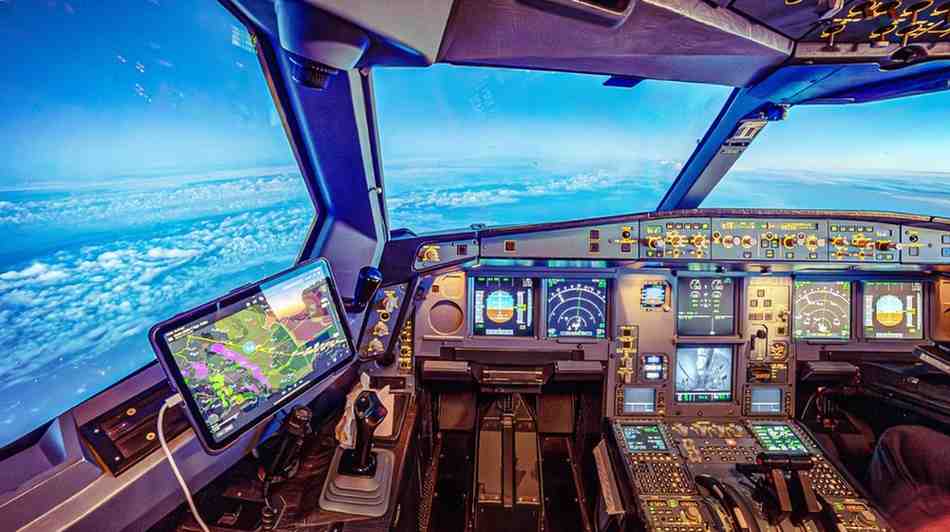
Every flight, whether a short regional hop or a long-haul international journey, depends on a complex network of instruments that allow pilots to manage speed, altitude, direction, and engine performance. These instruments and switches are collectively known as cockpit controls, and they form the nerve center of any aircraft. Without them, even the most advanced airplane would be nothing more than a metal shell incapable of flight. Cockpit controls translate a pilot’s decisions into mechanical, electrical, or hydraulic responses that move control surfaces, adjust thrust, and manage countless onboard systems.
Over the decades, cockpit controls have evolved from simple mechanical levers to sophisticated digital interfaces integrated with computers and automation. Yet regardless of how advanced they become, their core purpose remains unchanged: giving the pilot precise command over the aircraft. Understanding how these controls function offers valuable insight into aviation safety, training, and the engineering behind flight itself.
The Historical Evolution of Cockpit Controls
In the earliest days of aviation, cockpit controls were almost entirely mechanical. Wires, pulleys, and cables connected the pilot’s hands directly to the control surfaces on the wings and tail. There was little room for error correction, and pilots relied heavily on physical strength and instinct. As aircraft grew larger and faster, engineers introduced hydraulic assistance to reduce the physical effort needed to move heavy control surfaces.
The mid-twentieth century brought electrical systems into the cockpit, allowing for more precise readings and automated warnings. Then came the digital revolution, where analog dials were gradually replaced by glass cockpit displays. Today’s cockpit controls often combine touchscreens, fly-by-wire systems, and computerized flight management units. This evolution has made flying safer and more efficient, but it has also increased the complexity of pilot training, since modern cockpit controls demand both manual skill and technical fluency.
Primary Categories of Cockpit Controls
Cockpit controls can generally be grouped into several functional categories, each responsible for a distinct part of aircraft operation. Understanding these categories helps clarify how pilots manage multiple systems simultaneously during flight.
- Flight controls: These include the yoke or sidestick, rudder pedals, and trim wheels that govern pitch, roll, and yaw.
- Engine controls: Throttles, mixture levers, and propeller controls that regulate power output.
- Navigation controls: GPS units, autopilot panels, and communication radios that guide the aircraft along its route.
- Systems controls: Switches for hydraulics, electrical systems, fuel management, and environmental controls like cabin pressure and temperature.
Each of these categories works together, and pilots must develop muscle memory and situational awareness to operate them smoothly, especially during high-pressure phases like takeoff and landing.
How Flight Controls Directly Influence Aircraft Movement
Among all cockpit controls, flight controls are perhaps the most intuitive to understand because they directly correspond to how the aircraft moves through the air. The yoke or sidestick controls pitch and roll, allowing the pilot to climb, descend, or bank the aircraft. Rudder pedals manage yaw, helping to coordinate turns and maintain directional stability, particularly during crosswind landings.
Trim controls, often overlooked by non-pilots, play a subtle but essential role. They allow the pilot to relieve control pressure by adjusting the aircraft’s aerodynamic balance, reducing fatigue during long flights. In fly-by-wire aircraft, these same cockpit controls send electronic signals to computers rather than mechanically moving surfaces directly. This shift has improved precision and safety margins, since onboard computers can prevent pilots from making inputs that would push the aircraft beyond safe operating limits.
The Importance of Engine and Power Management Controls
Engine-related cockpit controls determine how much power the aircraft produces at any given moment. Throttle levers are the most recognizable of these, allowing pilots to increase or decrease thrust smoothly. In propeller-driven aircraft, additional controls such as mixture levers adjust the fuel-to-air ratio for efficient combustion at different altitudes, while propeller pitch controls optimize performance during climb, cruise, or descent.
Modern jet aircraft often feature autothrottle systems that automatically adjust power settings based on programmed flight parameters, reducing pilot workload during cruise and approach phases. However, pilots must still understand manual engine cockpit controls thoroughly, since automation can fail or be disengaged during emergencies. Mastery of these controls ensures that a pilot can maintain safe and efficient performance under both normal and abnormal conditions, reinforcing why thorough training on engine systems remains a cornerstone of every certification program.
Navigation and Communication Systems in the Cockpit
Beyond controlling movement and power, pilots must also manage where the aircraft is going and how it communicates with air traffic control. Navigation-related cockpit controls include GPS systems, flight management computers, and autopilot interfaces that allow pilots to program routes, altitudes, and speeds in advance. These systems have transformed long-distance flying, reducing manual workload while increasing accuracy.
Communication controls, including radios and transponders, allow pilots to stay in constant contact with ground control and other aircraft. Properly configuring these cockpit controls before and during flight is essential for maintaining situational awareness and ensuring compliance with airspace regulations. A single misconfigured frequency or navigation waypoint can lead to significant deviations, which is why checklists and cross-verification procedures are strictly followed in professional aviation environments.
Systems and Environmental Controls for Passenger and Aircraft Safety
While flight, engine, and navigation controls often receive the most attention, systems and environmental cockpit controls are equally critical to overall safety and comfort. These include switches for hydraulic pressure, electrical distribution, fuel transfer, and de-icing systems. Environmental controls regulate cabin pressurization, temperature, and airflow, ensuring passenger comfort at high altitudes where outside air is thin and extremely cold.
Pilots must monitor these cockpit controls continuously, often relying on automated alerts that flag abnormal readings. For instance, a drop in cabin pressure triggers immediate warnings, prompting pilots to descend to a safer altitude. Similarly, electrical system controls allow crews to isolate faulty circuits without compromising essential functions like lighting or instrumentation. This layered redundancy, built into the design of cockpit controls, reflects the aviation industry’s unwavering commitment to safety.
The Shift Toward Digital and Automated Cockpit Controls
The transition from analog gauges to digital glass cockpits represents one of the most significant advancements in aviation history. Modern cockpit controls now often appear as configurable screens rather than physical dials, allowing pilots to access multiple data streams through a single interface. This reduces clutter and enhances situational awareness by presenting only the most relevant information at any given time.
Automation has also introduced new layers of cockpit controls, such as autopilot modes that manage altitude, heading, and speed simultaneously. While automation reduces workload, it also requires pilots to understand system logic thoroughly, since misinterpreting automated behavior can lead to confusion during critical phases of flight. Consequently, aviation training programs now emphasize both manual flying skills and automation management, recognizing that true mastery of cockpit controls includes knowing when to rely on technology and when to take direct manual command.
Comparing Traditional and Modern Cockpit Control Systems
The following table highlights key differences between traditional mechanical cockpit controls and their modern digital counterparts, illustrating how technology has reshaped pilot interaction with aircraft systems.
| Feature | Traditional Cockpit Controls | Modern Cockpit Controls |
|---|---|---|
| Control Method | Mechanical cables and pulleys | Fly-by-wire and digital signals |
| Display Type | Analog dials and gauges | Glass cockpit digital screens |
| Automation Level | Minimal or none | High, with autopilot integration |
| Pilot Workload | Higher manual effort | Reduced through automation |
| Redundancy | Limited backup systems | Multiple digital safety layers |
This comparison shows that while the fundamental purpose of cockpit controls remains the same, the tools available to pilots have grown far more sophisticated, offering greater precision and safety margins than earlier generations of aircraft.
Training Pilots to Master Cockpit Controls
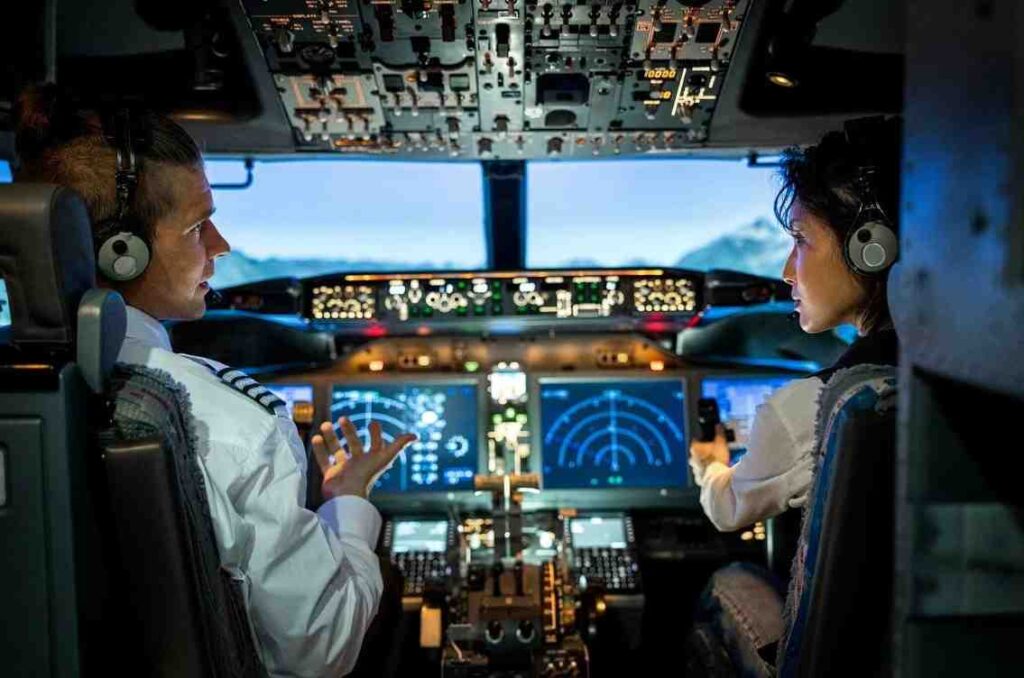
Learning to operate cockpit controls effectively requires structured training that blends theoretical knowledge with hands-on practice. Flight simulators play a crucial role in this process, allowing trainee pilots to familiarize themselves with control layouts and emergency procedures without real-world risk. Instructors emphasize muscle memory, ensuring that pilots can locate and operate essential switches even under stress or low visibility.
Beyond simulators, actual flight hours remain indispensable for developing intuitive control over an aircraft. Pilots must learn to coordinate multiple cockpit controls simultaneously, such as adjusting throttle while managing pitch during takeoff. Recurrent training and certification renewals ensure that pilots stay updated on evolving technology, particularly as airlines upgrade fleets with newer digital systems. This continuous learning cycle reinforces safety standards across the aviation industry, ensuring that every pilot maintains proficiency regardless of experience level.
Why Cockpit Controls Remain Central to Aviation Safety
Ultimately, the design and functionality of cockpit controls directly influence how safely and efficiently an aircraft operates. Every switch, lever, and screen is engineered with redundancy and human factors in mind, minimizing the risk of pilot error while maximizing responsiveness during emergencies. Regulatory bodies worldwide continuously assess and update standards for cockpit controls, ensuring manufacturers adhere to strict safety guidelines before new systems enter service.
As aviation technology continues to advance, cockpit controls will likely become even more integrated with artificial intelligence and predictive analytics, further reducing pilot workload while enhancing decision-making support. However, the human element will always remain essential, since pilots must retain the skills to intervene manually when automation reaches its limits. This balance between technology and human judgment defines the future trajectory of cockpit controls in commercial and private aviation alike.
Conclusion
Cockpit controls represent far more than a collection of switches and levers; they embody decades of engineering innovation aimed at making flight safer, more efficient, and more precise. From the earliest mechanical systems to today’s digital glass cockpits, these controls have continually evolved to meet the demands of modern aviation while keeping the pilot firmly in command. Understanding how cockpit controls function, from flight and engine management to navigation and environmental systems, offers valuable perspective on the complexity behind every successful flight. As technology continues to reshape the aviation industry, the fundamental goal of cockpit controls remains unchanged: empowering pilots to fly safely, confidently, and efficiently in an ever-changing sky.

