
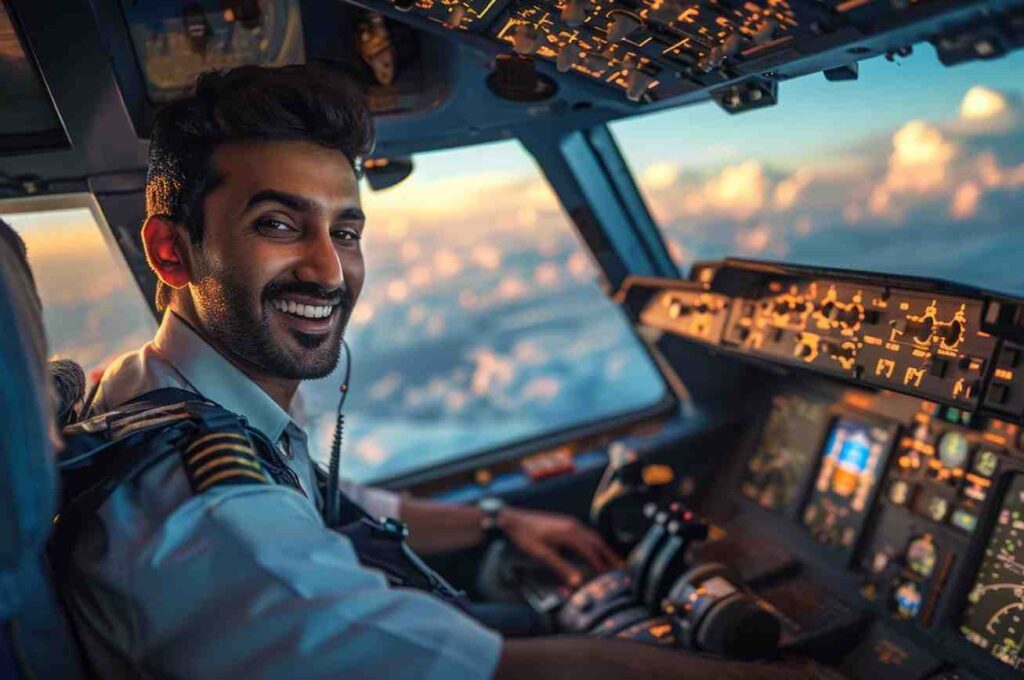
The cockpit is the nerve center of any aircraft, and aircraft cockpit maintenance is what keeps that nerve center functioning without failure. Every switch, gauge, display, and control surface interface inside the flight deck must respond exactly as expected, every single time. A pilot cannot afford a sluggish throttle lever or a flickering warning light mid-flight. That is why airlines and maintenance crews treat cockpit upkeep as a non-negotiable part of aircraft servicing rather than a routine afterthought. Beyond safety, well-maintained cockpits also reduce pilot fatigue, since crews are not forced to compensate for faulty instruments or unreliable readouts. In an industry where margins for error are razor thin, aircraft cockpit maintenance forms the backbone of dependable, predictable flight operations across commercial, cargo, and private aviation sectors alike.
The Core Components That Require Regular Checks
Modern cockpits pack an enormous amount of technology into a relatively small space, and each component ages differently under pressure, vibration, and temperature swings. Aircraft cockpit maintenance teams typically focus on flight instruments, avionics displays, control yokes or sidesticks, circuit breakers, communication radios, and environmental controls. These systems interact constantly, so a fault in one area can ripple into another if left unchecked. Technicians also inspect seat mechanisms, harness anchors, and lighting systems, since crew comfort directly affects performance during long-haul operations. Because cockpits vary between aircraft models, maintenance checklists are tailored to each type, meaning a technician working on a regional turboprop follows a different sequence than one servicing a wide-body jet. This specificity is exactly why aircraft cockpit maintenance cannot be handled with a generic, one-size-fits-all approach.
Key components inspected during routine cockpit checks include:
- Primary flight displays and navigation screens
- Control column, rudder pedals, and trim wheels
- Circuit breaker panels and wiring harnesses
- Radio, transponder, and communication units
- Emergency lighting and oxygen mask deployment systems
How Scheduled Inspections Are Structured
Aviation regulators require maintenance to follow structured intervals rather than reactive fixes, and cockpit systems are no exception. Daily walkaround checks catch obvious issues like a jammed switch or a dim indicator light, while more detailed inspections happen at set flight-hour or calendar-based intervals. During heavier checks, technicians remove access panels to examine wiring bundles behind the instrument panel, looking for chafing, corrosion, or loose connectors that visual inspection alone would miss. Software-driven displays also need periodic diagnostic runs to confirm sensor calibration hasn’t drifted. This layered inspection rhythm ensures that aircraft cockpit maintenance catches small anomalies before they escalate into operational disruptions. Airlines often align these checks with broader maintenance events, such as A-checks or C-checks, so cockpit systems are never inspected in isolation but as part of a coordinated aircraft-wide review process that technicians document meticulously.
Common Issues Technicians Encounter
Even with rigorous schedules, certain problems recur across fleets, and recognizing patterns helps maintenance teams act faster. Humidity and temperature cycling can loosen connector pins over time, leading to intermittent display glitches that are notoriously hard to reproduce on the ground. Circuit breakers sometimes trip due to minor current fluctuations rather than genuine faults, requiring careful diagnosis to avoid unnecessary part replacement. Worn switch contacts, faded backlighting, and sticky buttons are also frequent findings, especially on older airframes still in active service. Software glitches in glass cockpit systems, though less common, demand a different troubleshooting skill set entirely, blending traditional electromechanical knowledge with digital systems expertise. This blend of old and new challenges is precisely why aircraft cockpit maintenance has evolved into a specialized discipline requiring continuous technician training rather than static, one-time certification.
The Role of Technology in Modern Cockpit Upkeep
Digital diagnostics have transformed how maintenance crews approach the flight deck. Instead of relying purely on manual inspection, many aircraft now transmit real-time health data from cockpit systems to ground maintenance teams before the plane even lands. This predictive approach allows technicians to prepare parts and tools in advance, cutting turnaround time significantly. Built-in test equipment within avionics units can flag failing components automatically, reducing guesswork during troubleshooting. Additionally, digital logbooks have replaced much of the paper trail once used to track cockpit maintenance history, making it easier to spot recurring issues on a specific tail number. As aircraft become more connected, aircraft cockpit maintenance increasingly resembles a data-driven discipline, where sensors and software work alongside human expertise rather than replacing it entirely.
Table: Typical Cockpit Maintenance Intervals and Focus Areas
| Maintenance Type | Typical Interval | Primary Focus |
|---|---|---|
| Pre-flight walkaround | Before every flight | Visual checks, switch response, warning lights |
| Transit check | Between short flights | Basic functionality, obvious faults |
| A-check | Every few hundred flight hours | Instrument calibration, wiring inspection |
| C-check | Every 1-2 years | Deep panel inspection, avionics testing |
| Overhaul | Per manufacturer schedule | Full system replacement or refurbishment |
Training and Human Factors in Cockpit Maintenance
No amount of automation removes the need for skilled human judgment. Technicians performing aircraft cockpit maintenance must understand not just how a system works, but how a pilot interacts with it under stress. A switch that feels fine on the ground might behave differently at altitude or during turbulence, so maintenance training increasingly incorporates simulator feedback and pilot reports. Communication between flight crews and maintenance staff plays a huge role here; a pilot noting a minor anomaly in the logbook often prevents a larger failure down the line. Many airlines now run joint training sessions where pilots and technicians discuss cockpit ergonomics together, ensuring that repairs don’t just fix a fault but also preserve the intuitive feel pilots rely on. This human-centered approach keeps aircraft cockpit maintenance grounded in real operational needs rather than purely technical checklists.
Regulatory Standards Shaping Maintenance Practices
Aviation authorities worldwide set strict guidelines that govern how cockpit systems must be inspected, documented, and certified before an aircraft returns to service. These standards cover everything from acceptable wear tolerances on control surfaces to mandatory replacement timelines for safety-critical components like emergency lighting batteries. Compliance isn’t optional; deviations can ground an aircraft until issues are resolved and properly logged. Maintenance organizations must also maintain detailed records proving that every inspection followed approved procedures, creating an audit trail that regulators can review at any time. This regulatory backbone ensures consistency across airlines and countries, so a passenger flying with any certified carrier can trust that aircraft cockpit maintenance has met a baseline of rigor regardless of which airline or region operates the flight.

Cost Considerations Airlines Must Balance
Maintaining a cockpit to airworthy standards isn’t cheap, and airlines constantly weigh cost against reliability. Replacing an entire avionics suite is expensive, so technicians often repair individual components when possible rather than swapping whole units. However, cutting corners on cockpit upkeep carries far greater financial risk than the maintenance itself, since a grounded aircraft or delayed flight costs significantly more than preventive servicing. Airlines increasingly invest in predictive maintenance tools precisely because they reduce unplanned downtime, even though the upfront technology cost is substantial. Balancing these competing pressures requires careful planning from maintenance managers, who must justify every expense while ensuring aircraft cockpit maintenance never becomes an area where budget cuts compromise safety or reliability across the fleet.
Looking Ahead: The Future of Cockpit Servicing
As aircraft designs evolve toward more integrated, software-heavy cockpits, maintenance practices will need to keep pace. Touchscreen interfaces, voice-assisted systems, and increasingly automated flight management tools mean technicians must expand their skill sets beyond traditional mechanical and electrical training. Artificial intelligence is already being tested to predict component failures before they occur, potentially shifting aircraft cockpit maintenance from a scheduled activity to a fully predictive one. Yet no matter how advanced the technology becomes, the fundamental goal remains unchanged: ensuring that every switch, screen, and control responds reliably when a pilot needs it most. The future of cockpit maintenance will likely blend cutting-edge diagnostics with the same careful, hands-on inspection culture that has defined aviation safety for decades.
Conclusion
Aircraft cockpit maintenance sits at the intersection of engineering precision, regulatory discipline, and human judgment. It’s not simply about fixing what breaks, but about anticipating problems before they ever reach the flight deck. From daily walkaround checks to deep, multi-year overhauls, every layer of inspection exists to protect the people flying and those trusting the aircraft above them. As cockpits grow more digital and interconnected, the discipline required to maintain them will only deepen, blending traditional technical skill with data-driven diagnostics. Ultimately, aircraft cockpit maintenance remains one of aviation’s quietest yet most critical responsibilities, working behind the scenes so that every flight, however routine it may seem, takes off and lands with the reliability passengers and crews depend on.