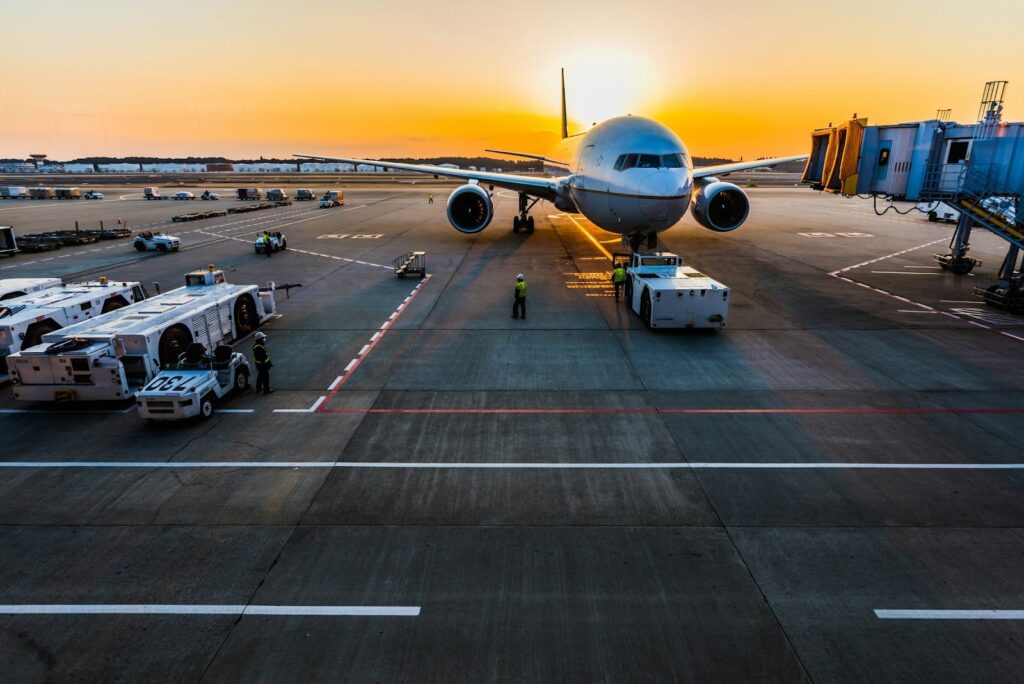
Every flight, whether a short domestic hop or a long international journey, depends on a disciplined set of practices carried out inside the cockpit. Cockpit safety procedures form the backbone of aviation operations, guiding pilots through every phase of flight with precision and consistency. These procedures are not arbitrary rules; they are the product of decades of accumulated knowledge, incident analysis, and continuous refinement by aviation authorities and airlines worldwide. Without strict adherence to cockpit safety procedures, even the most advanced aircraft would be vulnerable to human error, mechanical oversight, or communication breakdowns. Passengers rarely see what happens behind the cockpit door, but the choreography of checklists, callouts, and coordinated actions between pilots is what keeps millions of flights operating safely each year. Understanding these procedures offers valuable insight into how aviation safety is built layer by layer, long before an aircraft ever leaves the ground.
The Foundation: Pre-Flight Inspections and Briefings
Before an aircraft even taxis toward the runway, a series of essential checks take place. Pilots conduct thorough pre-flight briefings that cover weather conditions, route planning, fuel calculations, and potential hazards along the way. This stage of cockpit safety procedures ensures both pilots share a common understanding of the flight ahead, reducing the chances of miscommunication later. The captain and first officer typically divide responsibilities, with one handling external inspections while the other verifies internal systems and documentation. Circuit breakers, emergency equipment, and communication systems are all checked methodically. This collaborative approach reflects a core principle of modern aviation known as Crew Resource Management, which emphasizes shared decision-making and open dialogue. By the time the aircraft is ready for pushback, both pilots have a clear mental model of the flight, which significantly reduces the likelihood of surprises once airborne.
Standard Operating Procedures and Checklists
At the heart of cockpit safety procedures lies the checklist system. These structured lists guide pilots through every critical phase, including engine start, taxi, takeoff, cruise, descent, and landing. Checklists are deliberately designed to be read aloud and confirmed verbally between crew members, creating a system of mutual verification. This method prevents reliance on memory alone, which can falter under stress or fatigue. Airlines develop these procedures based on manufacturer guidelines and regulatory requirements, then tailor them to specific aircraft types and operational environments. The consistency of checklist use across different flights and crews is what makes aviation remarkably predictable and safe, despite the complexity involved in operating a modern jet.
A few key elements typically included in standard checklists are:
- Verification of flight control surfaces and instrument readings
- Confirmation of fuel quantity and weight distribution
- Cross-checking of navigation and communication frequencies
- Review of emergency equipment accessibility
Communication Protocols Between Crew Members
Effective communication is arguably one of the most underrated aspects of cockpit safety procedures. Pilots use standardized phraseology to eliminate ambiguity, particularly during high-workload phases like takeoff and landing. Callouts such as confirming altitude changes, airspeed thresholds, or configuration changes are spoken aloud so both pilots remain synchronized. This structured communication style extends to interactions with air traffic control, where clarity and brevity are essential to avoid misunderstandings that could lead to serious consequences. Sterile cockpit rules also play a significant role here, restricting non-essential conversation during critical phases of flight below ten thousand feet. This discipline minimizes distractions and keeps attention focused entirely on flying the aircraft safely. Over time, these communication habits become second nature to experienced pilots, but they remain a deliberately trained skill rather than an instinctive behavior.
Handling Emergencies and Abnormal Situations
No discussion of cockpit safety procedures would be complete without addressing how crews respond to emergencies. Modern training programs place heavy emphasis on simulator sessions that replicate engine failures, decompression events, fire warnings, and other abnormal scenarios. Pilots practice these situations repeatedly so that when a real emergency arises, their responses are calm, methodical, and well-rehearsed rather than panicked. Memory items, which are critical actions that must be performed instantly without checklist reference, are drilled extensively during training. Beyond memory items, pilots then transition to reading detailed checklists for the remainder of the abnormal procedure. This layered approach balances the need for speed in the first few seconds with the accuracy required for longer-term problem resolution. Crew coordination becomes even more vital during emergencies, as one pilot typically flies the aircraft while the other manages communications and checklist execution.
Common Phases of Flight and Associated Safety Checks
| Flight Phase | Primary Safety Focus | Key Actions Performed |
|---|---|---|
| Pre-Flight | System verification | Inspection walk-around, briefing, document review |
| Taxi | Ground awareness | Runway confirmation, flap setting, brake checks |
| Takeoff | Performance monitoring | Speed callouts, engine parameters, abort criteria |
| Cruise | System monitoring | Fuel checks, weather updates, autopilot management |
| Descent | Approach preparation | Altitude callouts, navigation setup, landing briefing |
| Landing | Configuration accuracy | Gear and flap confirmation, go-around readiness |
The Role of Technology in Modern Cockpit Safety
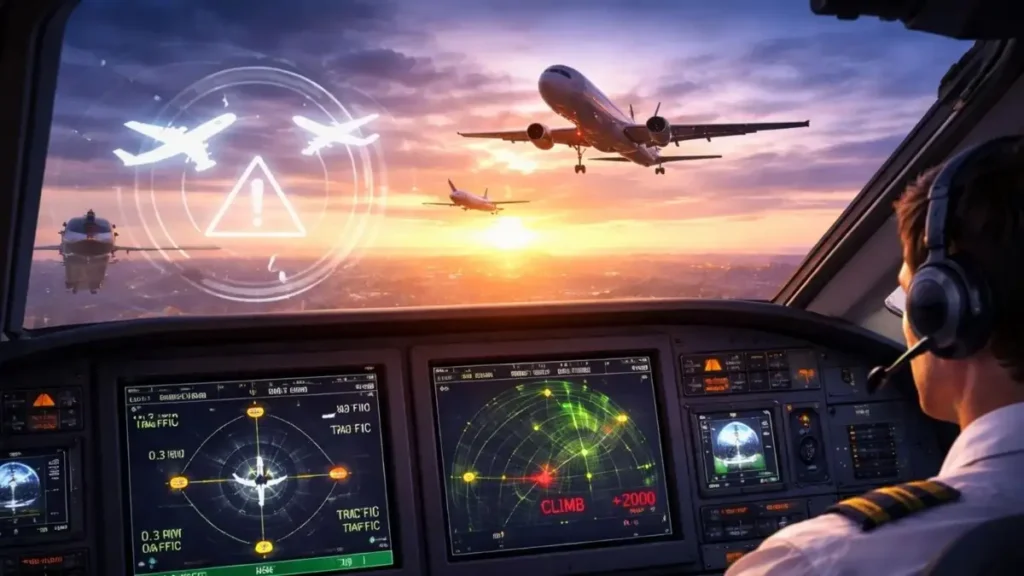
Advancements in avionics have transformed how cockpit safety procedures are executed. Automated systems now assist pilots by monitoring aircraft performance, alerting them to deviations, and even suggesting corrective actions. Traffic collision avoidance systems, ground proximity warning systems, and enhanced flight vision systems all contribute an additional layer of protection. However, technology is designed to support human judgment rather than replace it entirely. Pilots are trained to interpret these automated alerts within the broader context of the flight situation, ensuring that reliance on automation does not lead to complacency. This balance between human oversight and technological assistance is a defining feature of contemporary cockpit safety procedures, reflecting lessons learned from past incidents where automation was either misunderstood or over-trusted.
Fatigue Management and Crew Wellbeing
Physical and mental readiness directly influence how effectively pilots can execute cockpit safety procedures. Airlines implement strict duty time limitations and rest requirements to prevent fatigue-related errors, particularly on long-haul flights that cross multiple time zones. Pilots are trained to recognize early signs of fatigue in themselves and their colleagues, and procedures exist for managing workload distribution when alertness dips during extended flights. Some airlines incorporate controlled rest periods for long-haul crews, allowing one pilot to rest briefly while the other maintains full operational control. This proactive approach to fatigue management recognizes that even the best-designed procedures are only as effective as the humans executing them. Wellbeing programs, nutritional guidance, and sleep education have increasingly become part of broader safety culture initiatives within airlines.
Training, Recurrency, and Continuous Improvement
Cockpit safety procedures are not static; they evolve based on incident investigations, technological advancements, and regulatory updates. Pilots undergo recurrent training and simulator evaluations at regular intervals to ensure their skills remain sharp and aligned with current best practices. This ongoing education reinforces procedural knowledge while introducing updated protocols as they emerge. Airlines also maintain safety reporting systems that allow pilots to voluntarily report near-misses or procedural concerns without fear of punitive action. This non-punitive reporting culture has proven instrumental in identifying weaknesses in existing procedures before they lead to actual incidents. The iterative nature of this process means that cockpit safety procedures today are markedly more refined than those used decades ago, reflecting a continuous commitment to learning from every available data point.
Regulatory Oversight and Standardization
Aviation authorities across the globe play a central role in shaping cockpit safety procedures. Regulatory bodies establish minimum training standards, certification requirements, and operational guidelines that airlines must follow. While individual airlines may add supplementary procedures specific to their fleet or route network, the underlying framework remains grounded in internationally recognized standards. This standardization ensures that a pilot trained in one country can operate safely within a globally consistent safety culture, even when transitioning between different airlines or aircraft types. Regular audits and inspections verify that airlines maintain compliance with these established procedures, creating an additional layer of accountability. The collaborative relationship between regulators, manufacturers, and airlines has been fundamental in driving down accident rates over the past several decades, despite the steady increase in global air traffic volume.
Building a Culture of Safety Beyond Procedures Alone
While structured cockpit safety procedures provide the operational backbone of safe flying, they exist within a broader organizational culture that values transparency and continuous learning. Airlines that foster open communication between pilots, maintenance crews, and management tend to see stronger adherence to safety protocols overall. This cultural dimension complements the technical aspects of cockpit safety procedures, ensuring that rules are followed not out of obligation but from genuine understanding of their purpose. Pilots who feel supported in raising concerns are more likely to flag potential issues before they escalate. This human element, often overlooked in discussions focused purely on technical protocols, ultimately determines how effectively any set of procedures translates into real-world safety outcomes.
Conclusion
Cockpit safety procedures represent far more than a checklist to be completed; they embody a philosophy of preparation, communication, and accountability that has shaped aviation into one of the safest forms of transportation available today. From the earliest pre-flight briefing to the final steps of landing, every action taken by pilots reflects years of refinement built upon lessons learned across the industry. As technology continues to advance and air travel grows increasingly complex, the fundamental principles behind cockpit safety procedures will remain essential. Vigilance, teamwork, and disciplined execution will continue to define how pilots protect the lives entrusted to their care, ensuring that every flight, regardless of distance or destination, upholds the highest possible standard of safety.