
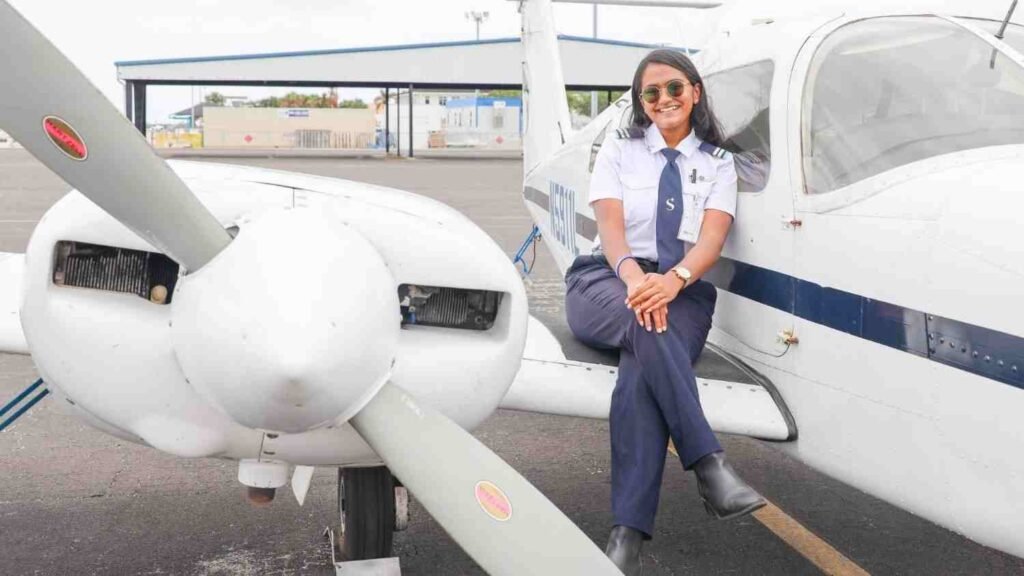
India’s skies have grown busier every year, and one airline sits at the center of that growth story. Flying for the country’s largest carrier is a dream many young aspirants chase, and becoming an indigo pilot has turned into one of the most sought-after career paths in Indian aviation. This article breaks down what the role actually involves, the qualifications needed, the training pathway, and what life looks like once you’re in the cockpit. Whether you’re a student weighing career options or someone already holding a commercial license, this guide gives you a realistic picture of the journey ahead, without the fluff often found online.
Why the IndiGo Pilot Career Has Become So Popular
Aviation in India has expanded rapidly over the past decade, and with that expansion has come a genuine shortage of qualified flight crew. Airlines are competing to hire faster, train better, and retain talent longer. Against this backdrop, the role of an indigo pilot stands out because the airline operates one of the youngest and largest fleets in the country, meaning constant recruitment cycles and steady career progression. Many aspirants are also drawn by the airline’s structured cadet programs, which offer a clearer, more affordable entry point compared to going the traditional flying school route alone. Add to this the appeal of frequent domestic and international routes, and it’s easy to see why so many students now list this as their top career goal straight out of school.
Basic Eligibility Requirements You Must Meet
Before diving into training costs or exam patterns, it helps to understand the baseline eligibility criteria. Airlines and regulatory bodies keep these fairly consistent, though specific cadet programs may add their own conditions.
- Minimum age of 17 for training enrollment, though actual flying duties begin later
- Completion of 10+2 with Physics and Mathematics as compulsory subjects
- Medical fitness certified under Class 1 medical standards set by the aviation regulator
- Basic English proficiency, since cockpit communication and ATC instructions are conducted in English
- Clean background verification, as security clearance is mandatory for commercial pilots
Meeting these criteria is only the starting point. The real work begins once you enter flight school and start accumulating flying hours toward a commercial license.
The Training Pathway Explained Step by Step
Becoming a commercial aviator is not a single exam but a multi-year process involving ground school, simulator sessions, and actual flying hours. Most candidates begin with a Student Pilot License, move to a Private Pilot License, and eventually work toward a Commercial Pilot License, which is the minimum requirement to fly for any scheduled airline. Along the way, candidates must clear subjects like air navigation, meteorology, aviation regulations, and technical general knowledge. Simulator training becomes crucial in this stage since it prepares candidates for real cockpit scenarios without the risk associated with actual flight. Once the CPL is secured, candidates typically undergo type-rating training specific to the aircraft they’ll fly, which for many joining as an indigo pilot means training on the Airbus A320 family of aircraft, since that’s the backbone of the airline’s fleet.
Understanding the Cadet Pilot Programme
Rather than leaving every aspirant to find their own flying school and finance their training independently, many airlines now run structured cadet programs. These programs are designed to identify promising candidates early, put them through a vetted training curriculum, and offer a conditional job assurance upon successful completion. For someone aiming to become an indigo pilot, joining a cadet program can significantly reduce the uncertainty that usually comes with self-funded training, since the curriculum, instructors, and aircraft type are pre-decided. Selection into these programs typically involves aptitude tests, psychometric evaluation, and personal interviews, followed by a rigorous medical examination. While the total training cost remains substantial, the structured pathway and near-guaranteed placement make it an attractive option for many families investing in a child’s aviation career.
The Selection and Interview Process
Getting selected involves more than just holding a valid license. Airlines assess technical knowledge, decision-making under pressure, communication skills, and overall temperament. A typical indigo pilot recruitment process may include:
- An online application followed by document verification
- Aptitude and psychometric testing to assess cognitive and situational judgment
- A technical interview covering aircraft systems, regulations, and navigation basics
- A simulator assessment to evaluate handling skills and composure
- A final HR round focusing on communication and cultural fit
Candidates who clear all these stages are usually offered a training bond, after which they proceed to type-rating and line training before being cleared to fly commercially.

Salary and Career Growth Prospects
Compensation in this field varies significantly based on aircraft type, seniority, and whether one is a First Officer or a Captain. Early-career First Officers earn a respectable starting salary, which grows steadily with flying hours and rank upgrades. Reaching the Captain position typically requires several years of experience along with a Command clearance, after which earnings rise substantially given the added responsibility. Many professionals who start as an indigo pilot at entry level find that career progression is relatively swift compared to some competitors, largely because of the sheer scale of the airline’s operations and the constant need for experienced Captains across an expanding fleet.
Table: Typical Career Progression and Earnings Overview
| Career Stage | Experience Required | Approximate Monthly Earnings | Key Responsibilities |
|---|---|---|---|
| Trainee First Officer | 0–1 years | Stipend-based | Supervised flying, ground duties |
| First Officer | 1–5 years | Moderate, performance-linked | Co-piloting scheduled flights |
| Senior First Officer | 5–8 years | Higher fixed and variable pay | Mentoring juniors, complex routes |
| Captain | 8+ years with Command clearance | Substantially higher | Full command, final decision authority |
| Senior Captain / Trainer | 12+ years | Top-tier compensation | Training new pilots, check flights |
This progression shows that patience and consistent flying hours matter as much as initial qualifications when building a long-term aviation career.
Challenges Aspiring Pilots Should Prepare For
While the profession looks glamorous from the outside, it comes with real challenges that aspirants should factor into their planning. Training costs remain high, and not every candidate secures a cadet seat on the first attempt. Irregular schedules, time away from family, and the physical demands of flying long or overnight routes are also part of the job. Medical fitness must be maintained throughout one’s career, and losing a medical certificate, even temporarily, can affect flying eligibility. Anyone seriously considering this path, including those specifically targeting an indigo pilot role, should speak with current professionals, visit flying schools in person, and understand the full financial commitment before enrolling. Being mentally prepared for a demanding yet rewarding career makes the transition into professional flying much smoother.
Skills That Set Successful Candidates Apart
Beyond meeting the basic eligibility and clearing exams, certain personal qualities consistently separate candidates who get hired from those who don’t. Strong situational awareness, calm decision-making during unexpected scenarios, and the ability to work well within a two-person cockpit team are all closely observed during simulator assessments and interviews. Physical stamina and consistent sleep discipline also matter more than most aspirants realize, given the irregular nature of flight schedules. Candidates who invest time in improving their spoken English, staying updated on aviation regulations, and practicing situational judgment tests tend to perform noticeably better during selection rounds. These soft skills, paired with strong technical grounding, often make the real difference between a rejected application and a successful offer letter.
Conclusion
Choosing to fly commercially is a decision that combines passion with significant financial and personal commitment. The pathway to becoming an indigo pilot is well-structured today, thanks to cadet programs, standardized training curricula, and a growing fleet that consistently requires fresh talent. That said, success in this field depends on more than just clearing exams, it requires discipline, patience through a multi-year training process, and genuine adaptability once you’re operating real flights. For those who are certain that aviation is their calling, this career offers strong long-term growth, competitive compensation, and the unmatched experience of commanding modern aircraft across some of the busiest air routes in the country. With the right preparation and mindset, stepping into the cockpit as a professional pilot is an achievable and deeply fulfilling goal.