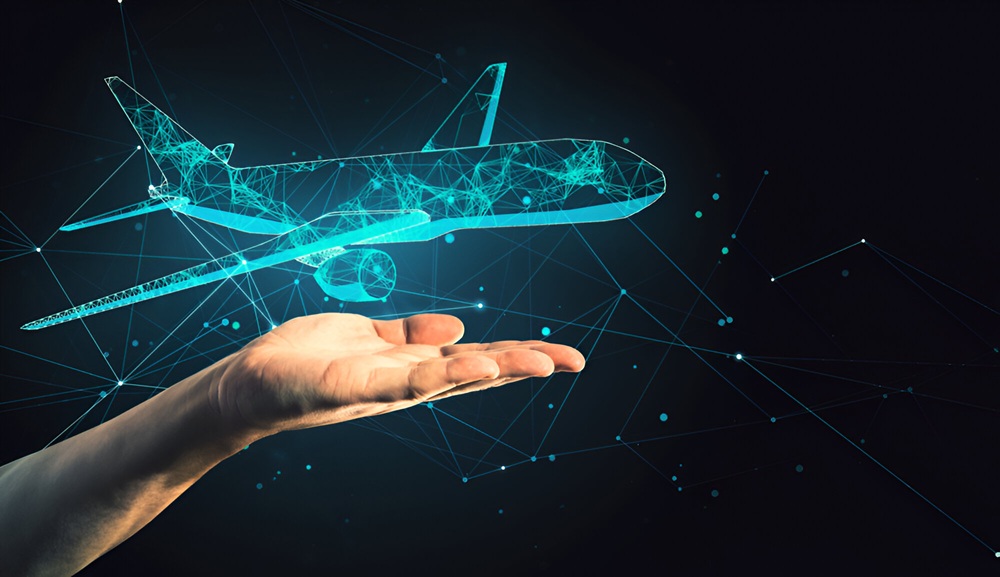
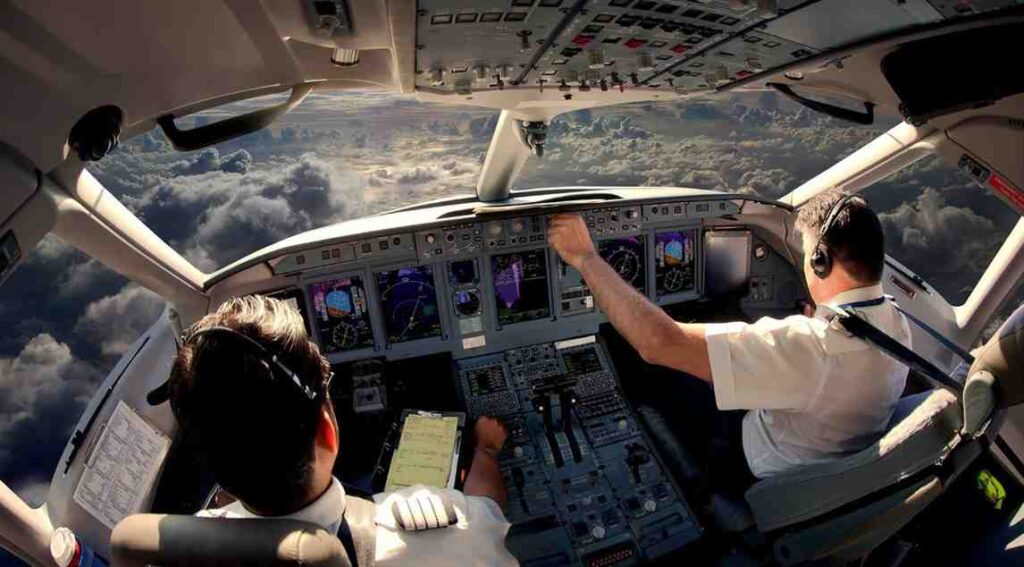
The evolution of commercial and military flight has been defined by a steady transition from mechanical controls to sophisticated software systems. In the early days of aviation, flying required continuous physical input, manual calculations, and constant mechanical monitoring by a crew of three or four flight deck members. Today, Cockpit Automation has fundamentally transformed the flight deck, taking over routine flying tasks, optimizing fuel efficiency, and processing vast streams of sensor data in real time. Rather than replacing human oversight, automated systems function as a digital co-pilot, handling flight management, navigation, and engine diagnostics. This shift allows modern aviators to move from physical controllers to strategic managers, overseeing high-level flight profiles while relying on computer algorithms to maintain precise trajectories, adjust thrust settings, and compensate for environmental changes.
Core Technological Systems Powering the Digital Flight Deck
At the heart of the modern flight deck lies a complex ecosystem of interconnected software and hardware components designed to streamline navigation. The Flight Management System acts as the primary brain, accepting flight plans, calculating optimal cruise altitudes, and controlling performance parameters automatically. Coupled with advanced autopilot and auto-throttle systems, Cockpit Automation precisely executes altitude holds, course changes, and speed management from departure through rollout. Furthermore, visual interfaces like primary flight displays and navigation monitors integrate satellite positioning with onboard radar to provide situational awareness. Synthetic vision systems project terrain contours onto glass displays, allowing crews to navigate zero-visibility conditions safely. Engine-indicating and crew-alerting platforms continuously sample pressure, temperature, and hydraulic states, instantly notifying pilots of anomalies before mechanical issues can escalate into dangerous operational failures.
How Flight Deck Automation Enhances Operational Safety
Safety statistics consistently show that aviation has become vastly safer over recent decades, with digital assistance playing a central role in this achievement. By offloading repetitive manual flying duties, automated systems reduce physical fatigue during long-haul international flights. During busy arrival and approach phases, automated envelope protection prevents aircraft from entering dangerous flight regimes, such as aerodynamic stalls or overspeed conditions. Systems like the Traffic Collision Avoidance System and Terrain Awareness and Warning System monitor air traffic and ground proximity continuously, delivering precise avoidance instructions when hazards loom. Through constant data cross-referencing, Cockpit Automation minimizes human errors driven by distraction or fatigue, ensuring that flight trajectories remain strictly within established safety boundaries even during turbulent weather or high-stress operational conditions.
Pilot Workload and the Paradox of Automation Complacency
While automation effectively reduces physical strain, it introduces new cognitive challenges for flight crews, often described by safety researchers as the automation paradox. When systems perform flawlessly for thousands of hours, human monitors can suffer from reduced vigilance, leading to complacency or delayed reaction times during unexpected system failures. Modern flight decks require constant cognitive engagement, yet the lack of continuous manual control can diminish a pilot’s situational awareness over long periods. Additionally, over-reliance on digital systems can lead to manual flying skill decay, making it challenging for crews to transition smoothly back to manual flight during rare system degradations. Striking a balance between leveraging automated conveniences and maintaining active mental involvement remains one of the most critical ongoing focus areas in contemporary crew resource management and flight safety research.
Comparing Manual Flight Ops and Automated Systems
Evaluating the functional responsibilities between human crews and flight computers highlights how operational roles have shifted across key flight phases.
| Flight Phase | Primary Manual Control Focus | Primary Automated System Function |
| Departure & Climb | Initial rotational handling and directional rudder control | Trajectory optimization, speed scheduling, and noise abatement navigation |
| En-Route Cruise | Visual weather scanning and strategic re-routing calls | Altitude maintenance, fuel conservation tracking, and traffic conflict monitoring |
| Descent & Approach | Raw-data instrument flying and manual visual alignment | Precision guidance, glideslope tracking, and auto-thrust management |
| Landing & Rollout | Manual flare execution and directional braking control | Autoland sequencing, ground spoiler deployment, and autobrake application |
The Role of Advanced Human-Machine Interface Design
To prevent automation-induced confusion, aerospace engineers devote significant efforts to refining the Human-Machine Interface on modern flight decks. The primary goal is ensuring that automated actions remain transparent, predictable, and easy to interpret at a glance. Flight Mode Annunciators prominently display which automated routines are active, armed, or disengaged, preventing mode confusion—a state where pilots misinterpret what the computer is currently controlling. Modern fly-by-wire designs incorporate tactile feedback, visual cues, and intuitive touch interfaces to keep pilots connected to aircraft performance. By standardizing alert color codes and prioritizing critical warnings over non-urgent messages, Cockpit Automation ensures that human crews receive clear, digestible information without experiencing cognitive overload during emergency situations.
Specialized Training Strategies for Automated Flight Operations
As flight deck technology becomes more intricate, pilot training programs have undergone a major structural shift to match these technological advancements. Initial flight instruction still emphasizes fundamental aerodynamics and manual stick-and-rudder mechanics, but simulator training focuses heavily on system management and failure recovery. Pilots learn how to program flight management computers under time pressure, verify automated navigation profiles, and recognize early subtle indicators of system malfunctions. Simulator scenarios stress early recognition of mode confusion, teaching crews exactly when to disconnect automated modes and revert to manual control. By simulating sensor failures, software glitches, and unexpected disconnects in controlled environments, modern airline training instills the critical judgment needed to oversee Cockpit Automation safely without over-relying on digital systems.
Emerging Trends: Artificial Intelligence and Autonomous Aviation
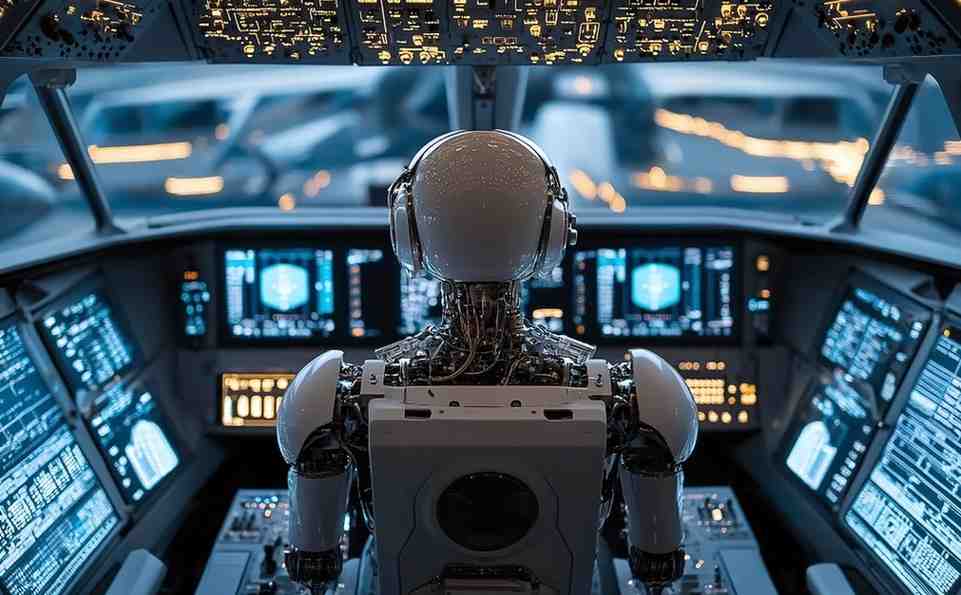
The next major leap in flight deck design centers on integrating artificial intelligence, machine learning, and advanced predictive analytics into everyday flight management. Modern research is exploring single-pilot operations supported by highly capable ground-based digital assistants and airborne AI co-pilots capable of handling emergency diversions autonomously. Future implementations of Cockpit Automation will likely analyze complex global weather patterns, dynamic airspace congestion, and real-time engine telemetry simultaneously to calculate continuous route optimizations that surpass human processing speeds. As these intelligent systems mature, they promise to further streamline air traffic management, lower fuel burn, and establish new baselines for operational efficiency across global commercial networks.
The Future Horizon of Flight Deck Automation
The ongoing evolution of automated flight technology represents a profound transformation in how commercial aircraft are commanded, managed, and flown. Rather than replacing human expertise, modern systems amplify human capabilities, creating a synergistic partnership between pilot judgment and algorithmic precision. While challenges around manual skill retention, vigilance maintenance, and system complexity persist, continuous improvements in human-factors engineering, interface design, and advanced simulator training are actively addressing these hurdles. As artificial intelligence and machine learning mature, future Cockpit Automation will become even more adaptive, predictive, and seamless. Ultimately, thoughtful integration of these tools ensures that aviation will continue its trajectory as the world’s safest, most efficient mode of long-distance transportation.