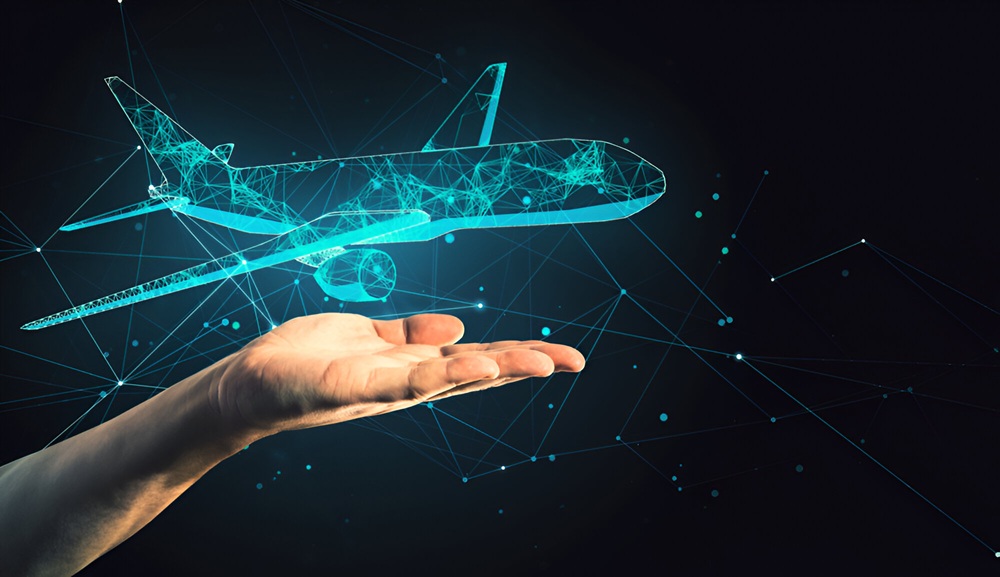
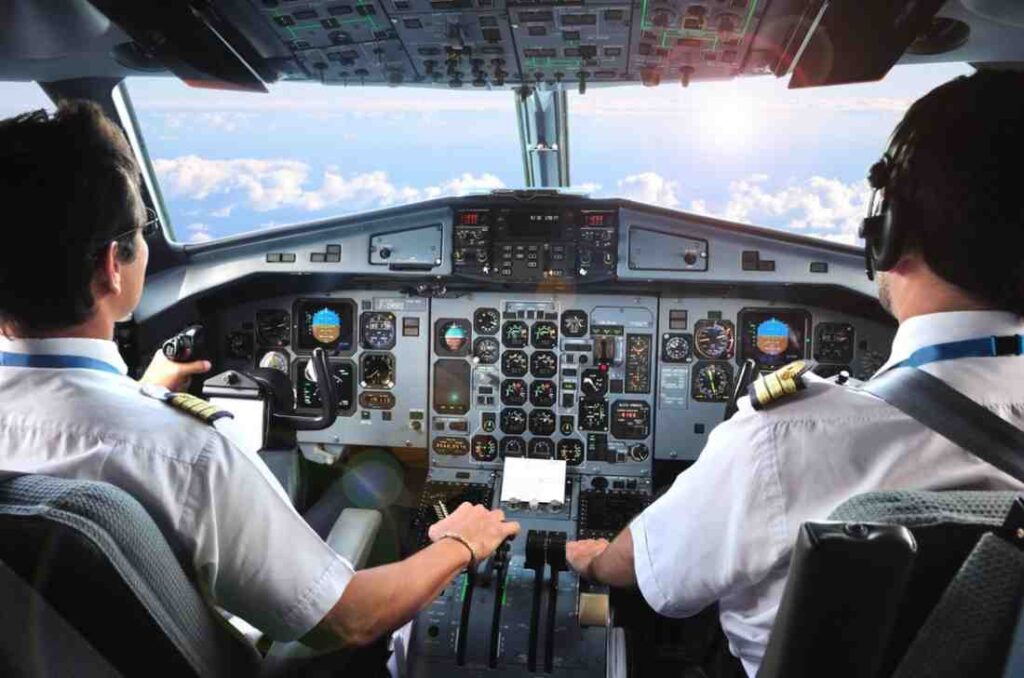
The modern aircraft cockpit represents one of the most remarkable achievements in aviation engineering. What was once a cluttered space filled with analog dials and mechanical switches has transformed into a streamlined environment dominated by digital intelligence. Every element inside this space is designed to reduce pilot workload while increasing precision. Instead of relying purely on manual calculations, pilots now interact with integrated computer systems that process flight data instantly. This shift did not happen overnight; it is the product of decades of research into human factors, automation, and safety engineering. Today, the modern aircraft cockpit stands as a symbol of how technology and human skill can work together seamlessly to make air travel safer and more efficient than ever before.
The Shift from Analog to Digital Systems
Older aircraft cockpits were filled with dozens of separate gauges, each showing a single piece of information such as altitude, speed, or fuel level. Pilots had to mentally combine all these readings to understand the aircraft’s condition. The modern aircraft cockpit eliminates this complexity by consolidating information onto digital screens known as glass cockpits. These displays present data in a clear, customizable format, allowing pilots to prioritize what matters most during different phases of flight. This transition has significantly reduced cognitive strain, since pilots no longer need to scan multiple instruments individually. Instead, a single glance at an integrated display provides a comprehensive summary, improving reaction time and decision-making during critical situations such as turbulence or system malfunctions.
Advanced Flight Management Systems
One of the defining features of the modern aircraft cockpit is the flight management system, a computer-based tool that automates complex navigation and performance calculations. Instead of manually plotting routes, pilots simply input data such as departure and arrival points, and the system generates the optimal flight path considering fuel efficiency, weather, and airspace restrictions. This technology also assists with automatic descent planning, speed adjustments, and fuel monitoring. As a result, the modern aircraft cockpit has become less about manual control and more about supervision and decision-making. Pilots now act as system managers who oversee automated processes, intervening only when necessary. This evolution has redefined the traditional role of a pilot from operator to strategic overseer of aircraft performance.
Enhanced Situational Awareness
Situational awareness has always been central to flight safety, and the modern aircraft cockpit enhances this through synthetic vision systems and terrain mapping technology. These tools recreate a three-dimensional view of the surrounding environment, even in poor visibility conditions such as fog or heavy rain. Pilots can see simulated runways, terrain elevation, and obstacles well before they become visible through the windshield. This technology drastically reduces the risk of controlled flight into terrain, one of the most dangerous types of aviation accidents. By merging real-time sensor data with digital mapping, the modern aircraft cockpit gives pilots a level of environmental awareness that was unimaginable just a few decades ago, transforming how crews navigate through challenging weather and low-visibility landings.
Ergonomics and Human-Centered Design
Beyond technology, ergonomics play a major role in shaping how a modern aircraft cockpit functions. Seats, control panels, and instrument placement are carefully designed to minimize physical strain during long flights. Buttons and switches are grouped logically according to function, reducing the chance of pilot error. Lighting is adjusted to prevent glare on screens while maintaining visibility of physical controls. Even sound levels and cockpit temperature are considered to ensure comfort during extended operations. This human-centered approach recognizes that even the most advanced systems are ineffective if they cause fatigue or confusion. By prioritizing comfort and intuitive design, the modern aircraft cockpit supports sustained focus and reduces the likelihood of mistakes caused by physical or mental exhaustion.
The Role of Automation and Artificial Intelligence
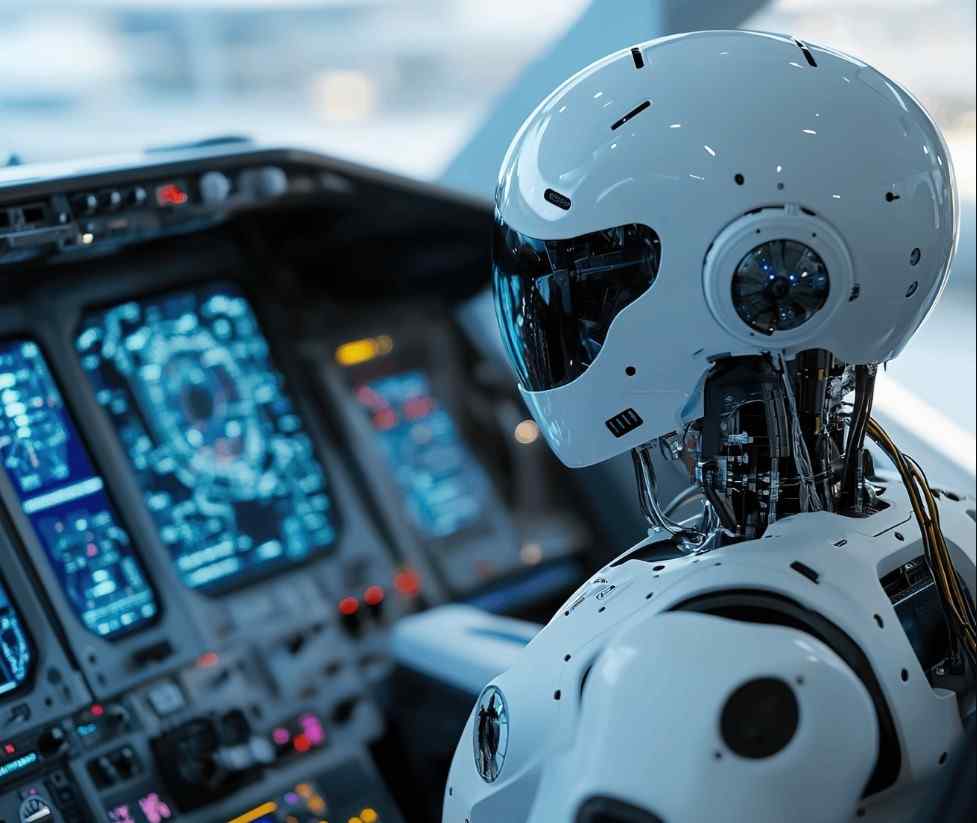
Automation has become deeply embedded within the modern aircraft cockpit, handling tasks that once required constant manual input. Autopilot systems can manage altitude, speed, and heading with remarkable precision, while autothrottle systems regulate engine power automatically. More recently, artificial intelligence has started influencing cockpit design by predicting potential system failures before they occur. Predictive maintenance alerts, powered by machine learning algorithms, notify pilots and ground crews of components that may require attention. This proactive approach helps prevent in-flight complications. As artificial intelligence continues to evolve, the modern aircraft cockpit is expected to become even more predictive, offering real-time recommendations that assist pilots in making faster, more informed decisions during unexpected situations.
Communication and Connectivity Improvements
Modern communication systems have also reshaped how pilots interact with air traffic control and other aircraft. Data link communication allows for text-based exchanges, reducing the reliance on voice communication and minimizing misunderstandings caused by radio static or accents. The modern aircraft cockpit integrates these communication tools directly into the display systems, allowing pilots to receive route changes, weather updates, and traffic alerts almost instantly. This connectivity extends to satellite-based tracking, which allows airlines and regulators to monitor aircraft position in real time, even over oceans or remote regions. Such advancements have significantly improved coordination between flight crews and ground control, creating a safer and more transparent air traffic management environment across international airspace.
Cybersecurity Challenges in Digital Cockpits
As the modern aircraft cockpit becomes more connected and data-driven, cybersecurity has emerged as a critical concern. With digital systems linked to satellite communication and ground networks, the potential for unauthorized access or data manipulation increases. Aircraft manufacturers now integrate multiple layers of encryption and system isolation to prevent external interference with flight-critical systems. Regular software updates and strict certification processes ensure that cockpit systems remain resilient against emerging cyber threats. This growing emphasis on digital security reflects how aviation safety now extends beyond mechanical reliability into the realm of information protection, ensuring that the technological benefits of the modern aircraft cockpit are not compromised by vulnerabilities in its digital infrastructure.
The Future of Cockpit Technology
Looking ahead, the modern aircraft cockpit is expected to evolve further with advancements in voice-activated controls, augmented reality displays, and even single-pilot operation research for certain aircraft categories. Touchscreen interfaces are gradually replacing traditional switches, offering more flexible and customizable layouts. Researchers are also exploring biometric monitoring to track pilot fatigue and stress levels in real time, allowing systems to respond proactively to human factors. These innovations aim to further reduce workload while maintaining strict safety standards. As technology continues to advance, the boundary between human judgment and machine intelligence within the cockpit will likely become even more integrated, shaping the next generation of aviation systems worldwide.
Conclusion
The modern aircraft cockpit reflects the remarkable evolution of aviation from mechanical simplicity to intelligent, data-driven design. Through digital displays, automation, and enhanced situational awareness, it has redefined how pilots interact with their aircraft. Ergonomic improvements and cybersecurity measures further ensure that this technological progress translates into real-world safety and efficiency. As artificial intelligence and connectivity continue to advance, the modern aircraft cockpit will keep transforming, blending human expertise with cutting-edge innovation to shape the future of flight for generations to come.