

Most student pilots stare at their first METAR like it’s written in a foreign language. It is — sort of. METAR is a standardized format used by aviation weather stations worldwide, and once you crack the code, it becomes one of the fastest, most reliable weather snapshots available to any pilot. Here’s how to actually read one.
What Is a METAR?
METAR stands for Meteorological Aerodrome Report. Issued typically every hour — or as a SPECI (special report) when conditions change significantly — it gives you a real-time snapshot of weather at a specific airport. According to the FAA’s Aeronautical Information Manual, METARs are one of the primary sources of surface weather observations pilots use for flight planning and go/no-go decisions.
They’re transmitted in a fixed sequence. Learn the sequence, and you can decode any METAR from any airport in the world in under a minute.
Breaking Down a Real METAR
Let’s use a realistic example:
KORD 211552Z 27018KT 10SM FEW045 BKN090 OVC200 22/14 A2992 RMK AO2 SLP134
Here’s what each element means:
KORD — The ICAO station identifier. K prefix means it’s in the contiguous United States; ORD is Chicago O’Hare. Every airport with weather reporting has one. You can look up any identifier on Aviation Weather Center.
211552Z — Date and time in UTC (Zulu). The 21st of the month, at 1552 Zulu. Always UTC — never local time. This trips up a lot of new pilots.
27018KT — Wind direction and speed. Wind from 270° (due west) at 18 knots. If you saw 27018G28KT, the G means gusting — in this case, gusting to 28 knots. Crosswind math starts here.
10SM — Visibility in statute miles. Ten statute miles — solid VFR. If you’re seeing something like 1/4SM, it’s time to reconsider your plans entirely.
FEW045 BKN090 OVC200 — Sky condition. Clouds are reported in three-digit hundreds of feet AGL. FEW is 1–2 oktas, SCT (scattered) is 3–4, BKN (broken) is 5–7, OVC (overcast) is 8. BKN and OVC are the ones that matter for IFR — they constitute a ceiling. In this report, the ceiling is broken at 9,000 feet. The overcast at 20,000 is above it and largely irrelevant for most operations.
22/14 — Temperature and dewpoint in Celsius. The spread here is 8°C — decent. When that spread narrows to 2–3°C, think fog and low visibility, especially at night or early morning.
A2992 — Altimeter setting in inches of mercury. Dial it in before you descend. A2992 is close to standard (29.92) — nothing unusual here.
RMK AO2 SLP134 — Remarks section. AO2 means the station has a precipitation discriminator — it can tell rain from snow. SLP134 means sea-level pressure is 1013.4 hPa. The remarks section often contains the most operationally useful details and is the most overlooked part of the METAR by low-hour pilots.
The Elements That Catch Pilots Out
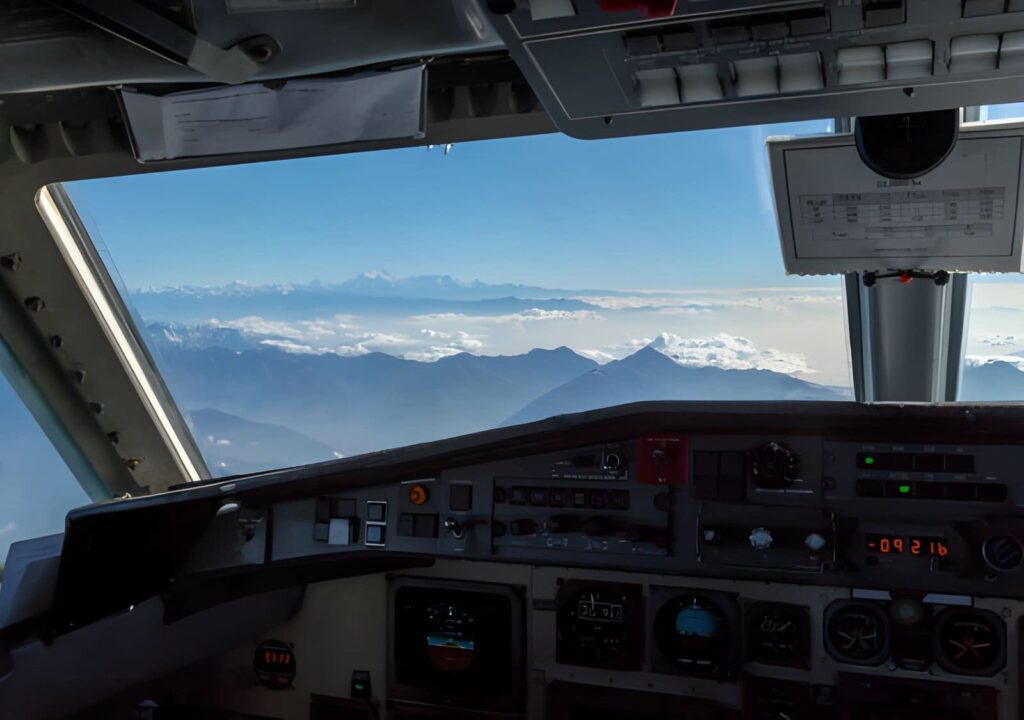
Temperature/dewpoint spread is chronically underread. A spread of 2°C or less with cooling temperatures is a fog factory — especially near bodies of water or in low-lying terrain. Cross-reference it with your destination’s forecast and don’t assume it’ll burn off on schedule.
Visibility and ceiling work together, not independently. A 10SM visibility with an OVC008 ceiling is still IFR. A 3SM visibility with a clear sky is still VFR — uncomfortable, but legal under Part 91 in many airspace classes. Always read both before making a call.
Wind shear and gusts buried in the remarks section have surprised more than a few pilots on final. If the RMK section mentions WSHFT (wind shift) with a time, that’s operationally significant — especially near convective activity or frontal passages.
Building the Habit
The best way to get fluent with METARs is to read them daily, even when you’re not flying. Pull up aviationweather.govand decode three or four METARs for airports across different regions every morning. It takes five minutes and builds pattern recognition faster than any ground school lesson.
Pair each METAR with its TAF (Terminal Aerodrome Forecast) and you start to see the full picture — what conditions are now versus what they’re trending toward. That’s where real preflight weather judgment lives, and it’s a skill that takes consistent repetition to sharpen. For pilots who want to go deeper, AOPA’s weather resources cover METAR interpretation alongside PIREPs, SIGMETs, and AIRMETs in a format built specifically for general aviation pilots.
The weather is always talking. A METAR is just how you learn to listen.
Frequently Asked Questions
Q: How often are METARs updated? A: Standard METARs are issued once per hour, typically at or near the top of the hour. Special METARs (SPECI) are issued whenever conditions change significantly — such as a drop in visibility below VFR minimums or a sudden wind shift.
Q: What’s the difference between a METAR and a TAF? A: A METAR is an observation — it tells you what the weather is right now at a specific airport. A TAF (Terminal Aerodrome Forecast) is a prediction — it covers expected conditions over the next 24 to 30 hours. You need both for solid preflight planning.
Q: Can METARs be used for IFR flight planning? A: Absolutely — METARs are a primary source for assessing current conditions at departure, destination, and alternate airports. Under Part 91 and Part 121, pilots are required to review available weather reports and forecasts before any IFR flight.
Once you can read a METAR in real time without stopping to look anything up, you’re thinking like a pilot — not just flying like one

