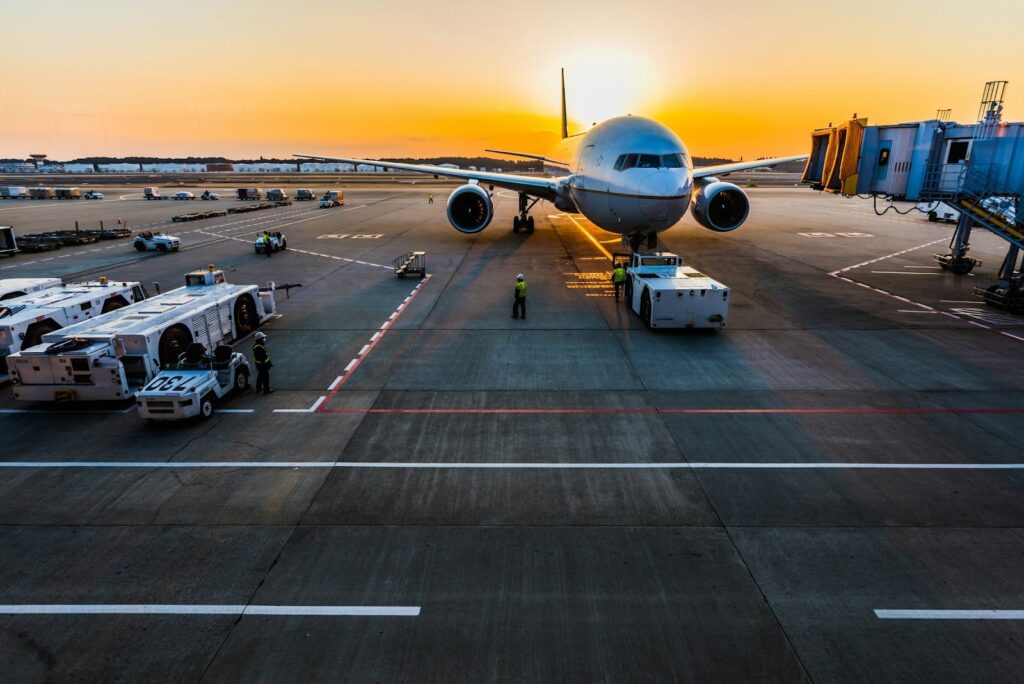
Stand a pilot and a non-pilot in front of the same aircraft and they are, in a meaningful sense, looking at different objects. The non-pilot sees the shape, the scale, the visual drama of the whole. The pilot sees the stall strips on the leading edge, the position of the static ports, the angle of the stabilator relative to the fuselage datum, the wear pattern on the tyre that tells something about how the last landing went. They are not applying more attention than the non-pilot. They are applying different attention — the kind that accumulates across thousands of hours of preflighting, briefing, and operating aircraft until the reading of an aeroplane becomes as automatic and as specific as reading a face.
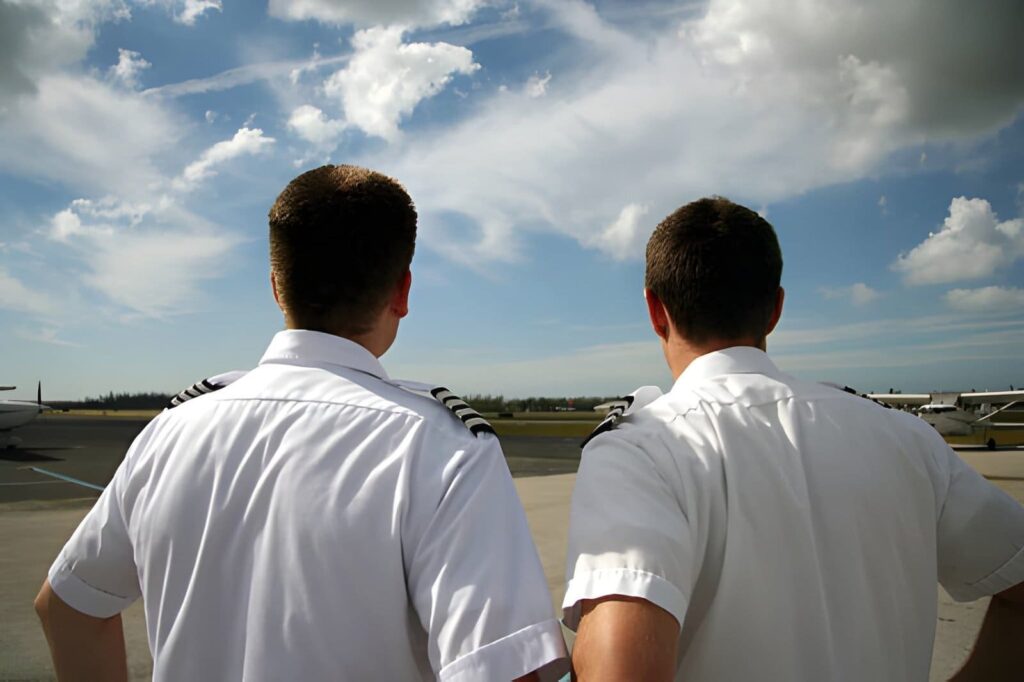
This changes how pilots engage with every aircraft they encounter — not just the ones they fly. The airshow aircraft. The museum display. The scale replica on a colleague’s desk. The pilot’s eye does not switch off because the aircraft is behind glass or reduced to 1:48 scale. It goes straight to the details that matter — and notices, with equal immediacy, the ones that are wrong.
What the Pilot’s Eye Actually Looks For
The preflight walk-around builds a form of visual literacy that never entirely leaves a pilot regardless of how long they have been away from the flight deck. It is a systematic examination of an aircraft for specific evidence of specific conditions — fluid leaks at specific points, control surface freedom and range of movement, pitot cover removal, fuel state and contamination, tyre condition and pressure. Every item on the preflight list is there because something on a real aircraft failed at that point on a real flight, and the failure was serious enough to generate a lesson that became a procedure. The walk-around is not bureaucratic ritual. It is accumulated accident prevention, conducted in silence by someone who has done it enough times to read the aircraft’s condition in a single circuit of the fuselage.
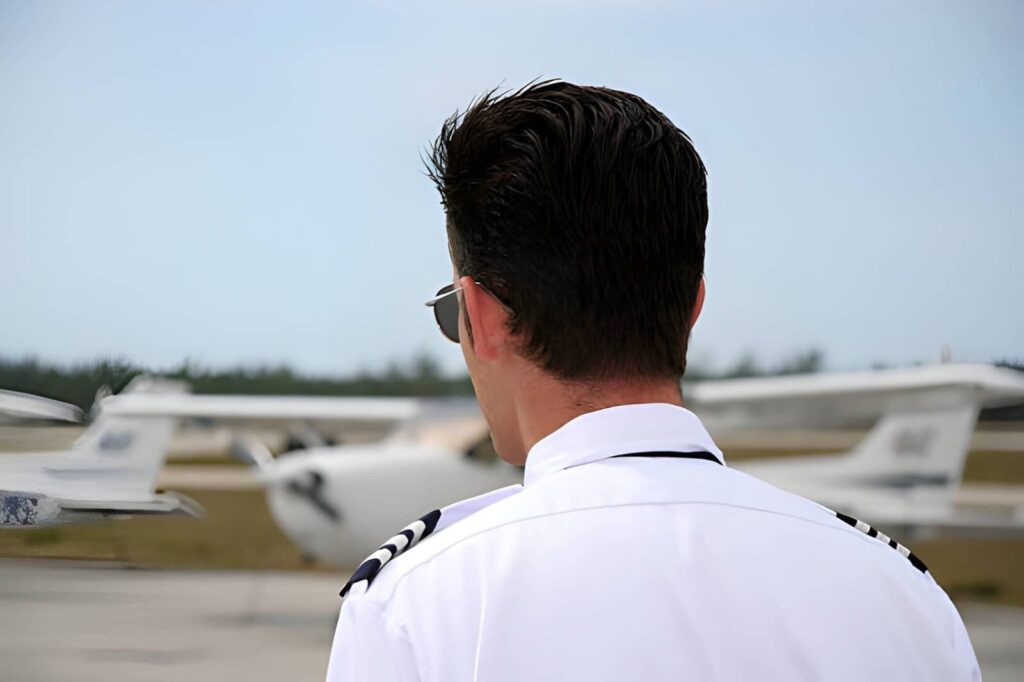
Apply that visual vocabulary to an airshow, a museum, or a scale display and the pilot is reading the aircraft rather than simply viewing it. The cowling fit on a warbird at an airshow tells something about its recent maintenance history. The control surface droop on a museum display tells something about the rigging tension, or the absence of it, in a static exhibit. The antenna configuration on a replica tells the builder’s level of commitment to period accuracy. None of this is conscious analysis — it is the automatic application of a visual language that the pilot’s training built and the years of flying reinforced.
The Cessna 172 Problem — Why Training Aircraft Are Harder to Get Right Than Anyone Expects
Ask most non-pilots to name an aircraft and they will name something dramatic — a Spitfire, an F-22, a 747. Ask a pilot which aircraft they know most intimately and the answer is almost always the training type. The aircraft they flew for their first fifty hours, preflighted in conditions ranging from bright summer mornings to grey November damp, and came to know in a way that their subsequent aircraft — however more sophisticated — never quite replicated.
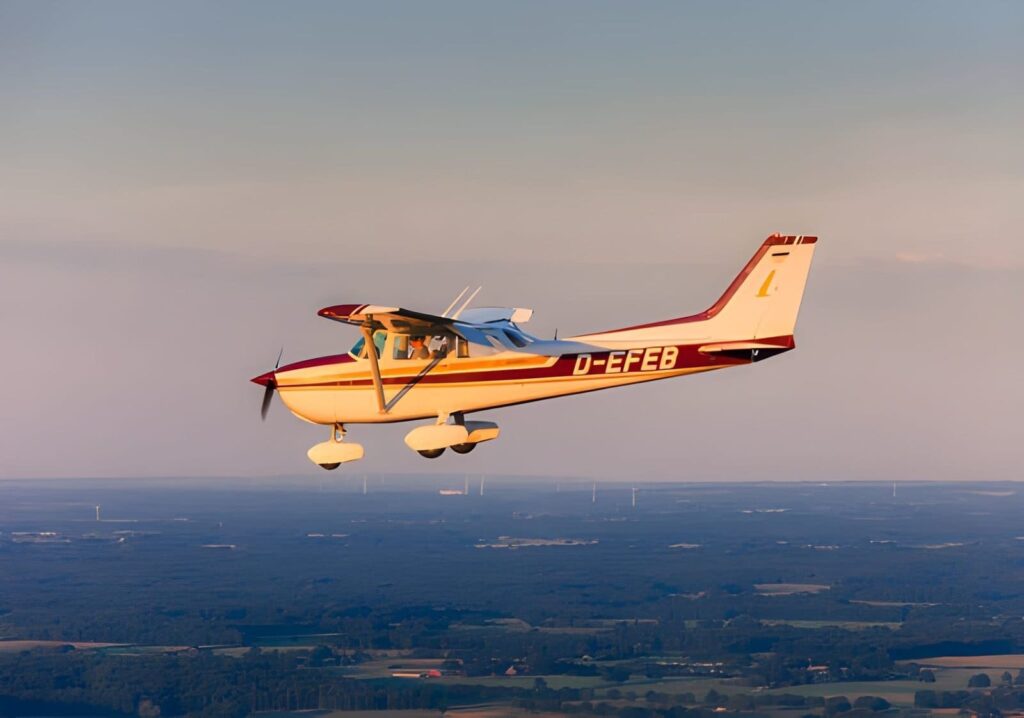
For many pilots of a certain generation, that aircraft is the Cessna 172 — over 44,000 built across six decades, the most produced aircraft in history, and the type in which more pilots have experienced their first solo than any other. The pilot who trained in a 172 knows its wing strut geometry, its cowling profile, its high-wing shadow pattern on the ground at noon, its instrument panel layout in the specific configuration of the specific school at the specific period of their training. They know it in a way that the enthusiast who simply admires the aircraft cannot quite replicate — because they know it from the inside, from the left seat, from the specific angle that the preflight position produces when you stand at the nose checking the propeller for nicks.
This intimacy is precisely what makes the training aircraft a harder scale subject to get right than any warbird or airliner. The pilot who trained in a 172 will see the inaccurate detail on a replica that an enthusiast would pass without registering. The wrong antenna position. The incorrect spinner profile. The door handle moulded in a position it was never in on the specific variant of their training year. The pilot’s eye notices. And the pilot’s judgement, applied to a scale replica of their training type, is the most demanding accuracy test any model can face.
The pilot does not see an aircraft the way an enthusiast does. They see a set of systems, decisions, and maintenance histories encoded in surface and structure. That reading does not stop at the rope barrier or the display case.
Why Large Aircraft Demand Larger Scales — From the Pilot’s Perspective
The commercial pilot who has spent years on a widebody type has a spatial relationship with that aircraft that non-pilots cannot fully share. The walk-around of a Boeing 737-800 takes seven minutes at a deliberate pace. The walk-around of an Airbus A380 takes considerably longer — and covers a distance that makes the aircraft’s physical scale visceral in a way that standing in the cabin never quite does. The pilot who has walked under the wing of a 747, checked the hydraulic lines at the gear bay, and stood at the trailing edge to verify the flap setting has a relationship with that aircraft’s physical dimensions that a scale model at 1:400 simply cannot honour.
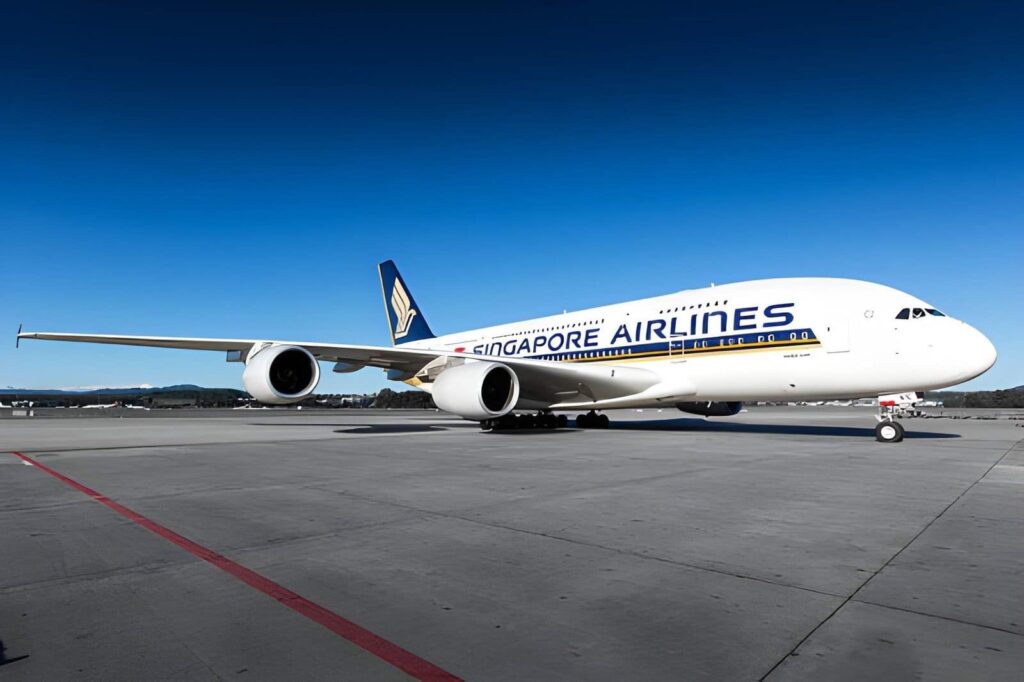
This is why pilots who commission replicas of their type tend to choose larger scales than the enthusiast market typically defaults to. Not because they want a bigger object on the shelf — but because the aircraft they are trying to represent has a physical presence that only large scale planes can begin to communicate. The 747 at 1:144 runs to 530mm of wingspan — enough to suggest the physical dominance that the pilot who has walked its exterior knows from experience. At 1:400, it becomes a symbol. At 1:144, it begins to become the aircraft.
The Accuracy Standard That Only Pilots Apply
The pilot who chooses a scale replica of their primary type is applying an accuracy standard that no manufacturer’s press photograph can fully serve. They want the specific variant — not just the type. The correct engine nacelle profile for the dash number they flew. The antenna array that was current during their operational period. The livery in the specific scheme of the carrier at the peak of their service, not the rebrand that happened two years after they moved on. This level of specification is what distinguishes the pilot’s commission brief from the enthusiast’s — and it is what makes a commissioned airplane model built to a pilot’s specification a different category of object from anything available in the standard production market.
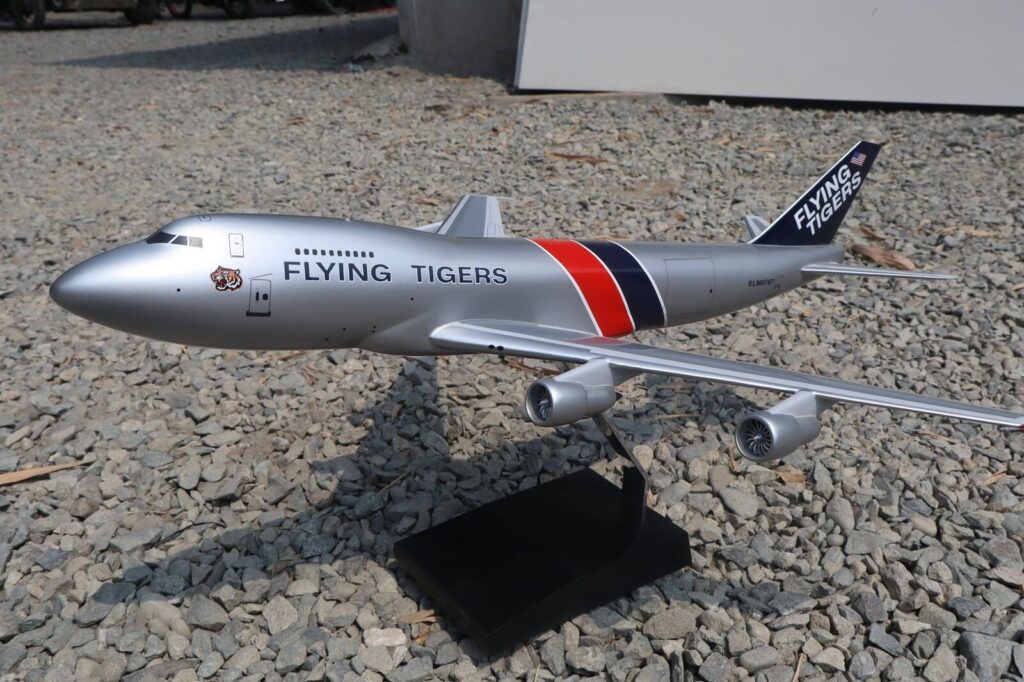
The same applies to the model planes that pilots choose for their training types. A Cessna 172 commissioned to the specific registration of the aircraft in which a pilot went solo — in the correct colour scheme of the school, in the correct configuration of the year — is not a generic training aircraft replica. It is a document of a specific day, a specific aircraft, and a specific transition that the pilot’s eye will verify for accuracy every time it passes the shelf. The pilot’s knowledge is the commission brief. And the commission brief, when it comes from a pilot, is always the most specific one in the category.
Frequently Asked Questions
Why do pilots choose larger scales for their aircraft replicas?
Pilots have a physical relationship with their aircraft types — walk-arounds, external checks, the spatial experience of operating large aircraft — that gives them an understanding of scale that enthusiasts develop differently. A commercial pilot who has walked under a 747 wing knows its physical dominance in a way that makes a 1:400 replica feel inadequate as a representation. Larger scales — 1:144 for commercial wide-bodies, 1:48 or 1:32 for general aviation and training types — begin to communicate the physical presence that the pilot’s operational experience established as the reference standard.
What makes the Cessna 172 a particularly meaningful subject for pilots?
The Cessna 172 is the aircraft in which more pilots have experienced their first solo than any other type — over 44,000 built across six decades, operated by flight schools on every continent. The intimacy that training produces — hundreds of preflights, the specific instrument panel layout, the high-wing shadow pattern, the exact feel of the controls at rotation — creates a knowledge of the aircraft that subsequent types, however more sophisticated, rarely replicate. For pilots who trained in a 172, a replica of their specific training aircraft is the most personally significant scale subject available in the entire collecting category.
The Eye That Never Stops Reading
The pilot’s relationship with aircraft is not something that switches off at the end of a flying career. The visual literacy built across thousands of hours of preflight, operation, and post-flight examination becomes permanent — applied automatically to every aircraft encountered, whether at an airshow, in a museum, on a colleague’s desk, or reduced to 1:48 scale on a shelf at home. The eye keeps reading. The knowledge keeps applying.

What the pilot chooses to display is therefore always a more specific and more considered statement than the enthusiast’s equivalent choice. They know what they are looking at. They know what accuracy requires. And they know, with immediate certainty, whether the object in front of them honours the aircraft it claims to represent — or merely resembles it. That distinction is the pilot’s eye. It never switches off. And the shelf it builds over a career is always, in the end, the most honest aviation display in the room.