

Tell a non-pilot you’re going to “shoot an approach” and watch their face. There’s a very specific kind of blank stare you get — somewhere between concern and mild alarm — that every aviator knows well. Aviation has its own language, and it’s not exactly designed for dinner table conversation.
We Don’t Even Notice We’re Doing It
The thing is, most pilots don’t realize how deep the jargon runs until someone outside the cockpit hears it. You say “I’m just going to squawk 1200” and your spouse looks at you like you’ve had a stroke. You mention you were “number one for the ILS” and your friends nod politely while understanding absolutely nothing.
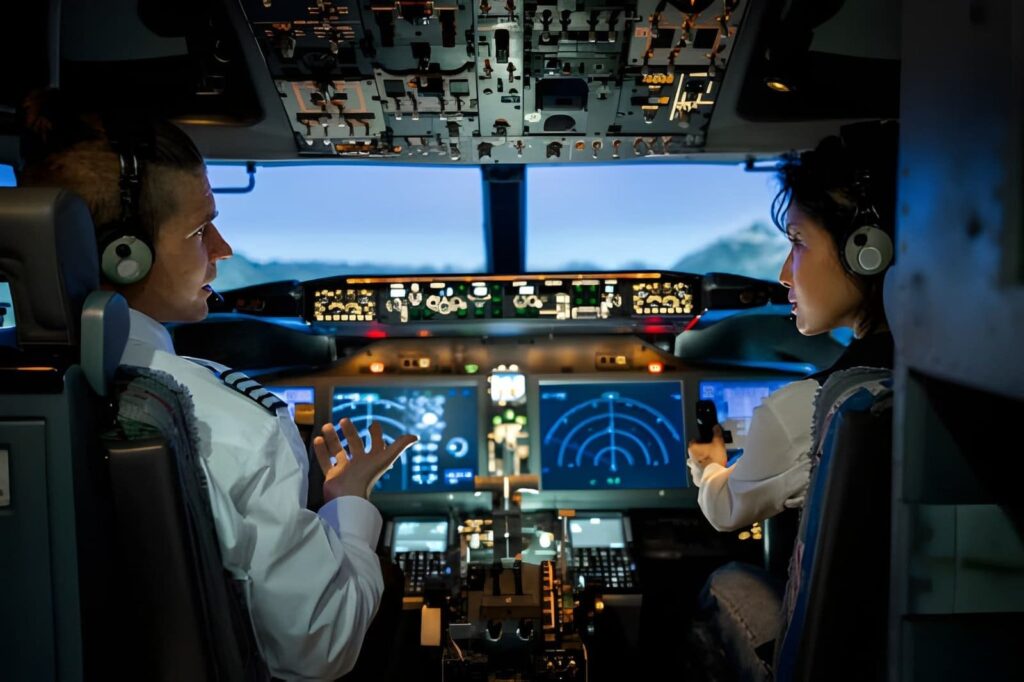
It becomes muscle memory. ATC trains you to be precise, concise, and consistent — and that bleeds into everyday speech whether you like it or not.
The Phrases That Never Translate
“We’ve got a hole — let’s go.” To a pilot, this is a perfectly reasonable assessment of a cloud break and a viable VFR departure window. To literally anyone else, it sounds like a home repair emergency.
“I’m going to fly the localizer back in.” Your non-pilot friend hears: you are going to locate something. Using a plane. Somehow.
“Ceiling’s sitting at about fifteen hundred, but it’s MVFR — we’re fine.” The word “fine” is doing a lot of work here. Non-pilots hear “ceiling” and think bedroom. They hear “fine” and believe you. Pilots know it’s a little more complicated than that.
“I just need to get current again.” This one genuinely worries people. Current? Like, with the times? With your bills? No — three takeoffs and landings to a full stop in the last 90 days. Completely normal.
“We’ll just go missed and try again.” Nothing about this sentence sounds casual to someone who hasn’t flown an instrument approach. “We missed?” “Go again?” The whole thing sounds like a failed exam, not a perfectly executed procedure.
“She’s a little squirrelly in a crosswind but nothing you can’t manage.” Pilots say this about aircraft they love. Non-pilots hear it and immediately wonder why anyone would get in the thing voluntarily.
The Radio Voice Doesn’t Help Either
There’s also the phenomenon of pilots unconsciously slipping into their ATC radio cadence mid-conversation. Clipped sentences. Unnaturally precise diction. A tendency to confirm everything with “Roger” before catching yourself.
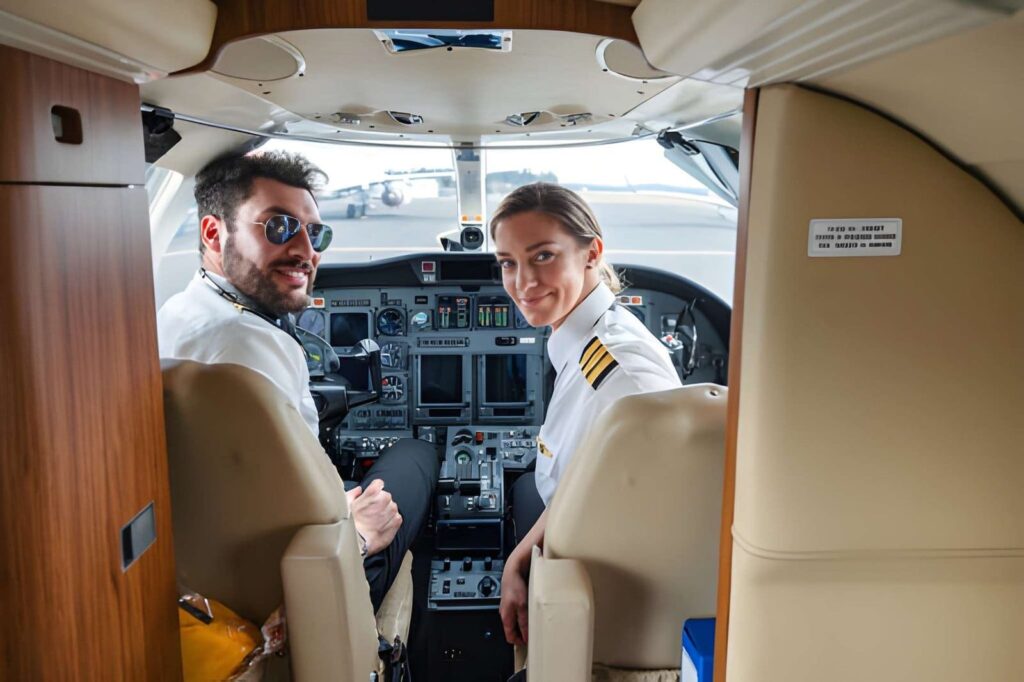
It happens at restaurants. “Coffee, please.” Long pause. “…Roger that.”
The read-back habit is particularly strong. Someone gives you a phone number and your hand is already reaching for something to write with, lips moving slightly, ready to read it back for verification.
Why Pilots Love It Anyway
Here’s the honest truth — the language of aviation is one of the things that binds the community together. It’s shorthand for shared experience. When two pilots meet at an FBO and one says “nasty SIGMET over the Rockies last Tuesday,” the other one already knows the full story without another word being said.
That same sense of shared passion — the deep connection pilots have with everything aviation — is what drives enthusiasts to carry a piece of it into their everyday lives, whether that’s through stories, photographs, logbooks, or aviation scale models displayed at home or in the office. Some people just can’t leave the ramp behind, and honestly, who can blame them.
Frequently Asked Questions
Q: Why do pilots use so much jargon and aviation terminology? A: Aviation communication is built around precision and brevity — ATC and cockpit procedures demand exact language to avoid miscommunication. Over time, that vocabulary becomes second nature and follows pilots off the flight deck.
Q: What does “squawking” mean in aviation? A: Squawking refers to setting a specific four-digit transponder code that identifies your aircraft to air traffic control radar. “Squawk 7700” is the universal emergency code — one you never want to use but absolutely need to know.
Q: Is aviation lingo the same worldwide? A: ICAO standardizes aviation English globally, so the core phraseology is consistent across most countries. That said, regional accents, local slang, and controller habits mean it’s never quite identical — ask any pilot who’s flown into a busy European airport for the first time.
Next time a pilot goes quiet and starts mentally running through a checklist mid-conversation, just give them a moment — they’ll be back when the before-landing items are complete.