
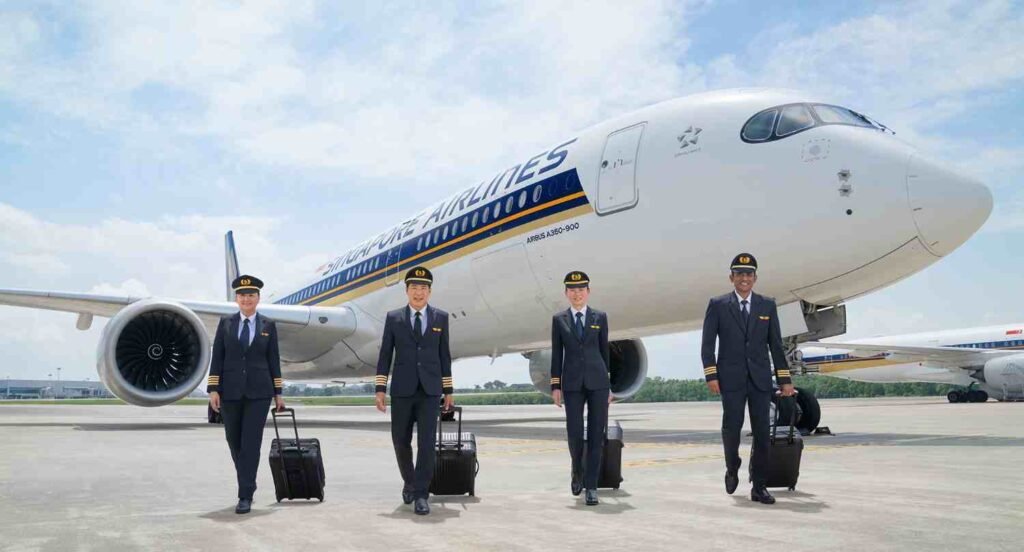
Few airlines become shorthand for an entire travel experience, yet Singapore Airlines has done exactly that. Mention the name to a frequent flyer and you will likely hear about warm towels, a quietly polished cabin, and the feeling that someone has thought carefully about every hour of a long journey. This reputation was not built overnight or through advertising alone. It comes from decades of steady investment in aircraft, crew training, food, and airport connections, all coordinated from a small island nation that treats aviation as a strategic asset. In this article, we look at how the carrier grew, what it offers across its cabins, how its loyalty programme works, and how to make smarter choices when booking a seat. Whether you are planning a first long-haul trip to Europe or are simply curious about why travellers speak so fondly of this airline, the sections below give you a practical, balanced picture.
From Regional Carrier to Global Name
The airline as we know it took shape in 1972, when the earlier joint Malaysia and Singapore operation was split into two separate companies. Singapore had almost no domestic market, so the new carrier could not rely on local passengers to fill its planes. Instead it had to win international travellers from the start, and that necessity shaped its culture. Management pushed for newer aircraft than most rivals were flying, invested heavily in cabin comfort, and built a service style around attentive, personal care. The flight attendants, known worldwide as the Singapore Girl, became a living symbol of the brand. Over the following decades, Singapore Airlines expanded from short regional hops to nonstop routes across the Pacific and Atlantic, always keeping Changi Airport at the centre of its network. That partnership between airline and airport remains one of the most effective in commercial aviation.
Fleet and Route Network
A modern fleet is central to the passenger experience, and the airline has long favoured young, well-maintained aircraft. Its long-haul work is handled mainly by the Airbus A350 and the Boeing 787 and 777 families, while the double-deck Airbus A380 still flies on selected trunk routes. Newer aircraft are quieter, hold cabin pressure at a more comfortable level, and use humidity control that helps you arrive feeling less drained. The network stretches from Southeast Asia to Australia, India, Japan, the Middle East, Europe, and North America, with Changi acting as a convenient connecting point between them. A traveller flying from Sydney to London, for example, can transfer in Singapore with a short layover and a smooth, well-signposted terminal. The airline also works with partners inside a major global alliance, which widens the number of destinations you can reach on a single ticket without dealing with several separate bookings.
Understanding the Cabin Classes
Choosing the right cabin is the biggest decision you will make, and the differences are significant. Suites and First Class sit at the top, offering enclosed spaces with a separate bed and dining table on the aircraft that carry them. Business Class focuses on a fully flat bed, direct aisle access, and restaurant-style meals. Premium Economy gives you a wider seat, extra recline, and better food than the main cabin, which suits travellers who want more comfort without paying business fares. Economy remains the option most people book, and it is generally praised for its solid meals, reliable entertainment, and helpful crew. Exact seat designs vary by aircraft, so always check which plane operates your flight before you commit. The table below offers a simple side-by-side view of what to expect.
| Cabin | Best For | Typical Highlights |
|---|---|---|
| Suites / First | Special occasions, maximum privacy | Enclosed suite, separate bed, personalised dining |
| Business | Overnight long-haul flights | Flat bed, wide menu, direct aisle access |
| Premium Economy | Comfort on a moderate budget | Wider seat, more legroom, upgraded meals |
| Economy | Value-focused travellers | Full meal service, large entertainment library |
What Happens Once You Are on Board
Service is where the airline earns most of its loyalty. Crew members are trained to anticipate small needs, whether that means bringing a blanket before you ask or adjusting the pace of a meal to suit your sleep plans. Food is another strength, and the carrier has long used a panel of chefs to design menus that balance regional flavours with dishes that taste good at altitude. Passengers in the front cabins can often order from a book-the-cook list ahead of the flight, choosing a special main course days before departure. A few features are worth knowing before you fly:
- A large inflight entertainment library with films, series, music, and games in many languages
- Complimentary meals and drinks on nearly all long-haul routes, even in the main cabin
- Wi-Fi packages that vary by fare type and aircraft, with some tiers offering free messaging
- Amenity kits and sleepwear in higher cabins, designed for overnight comfort
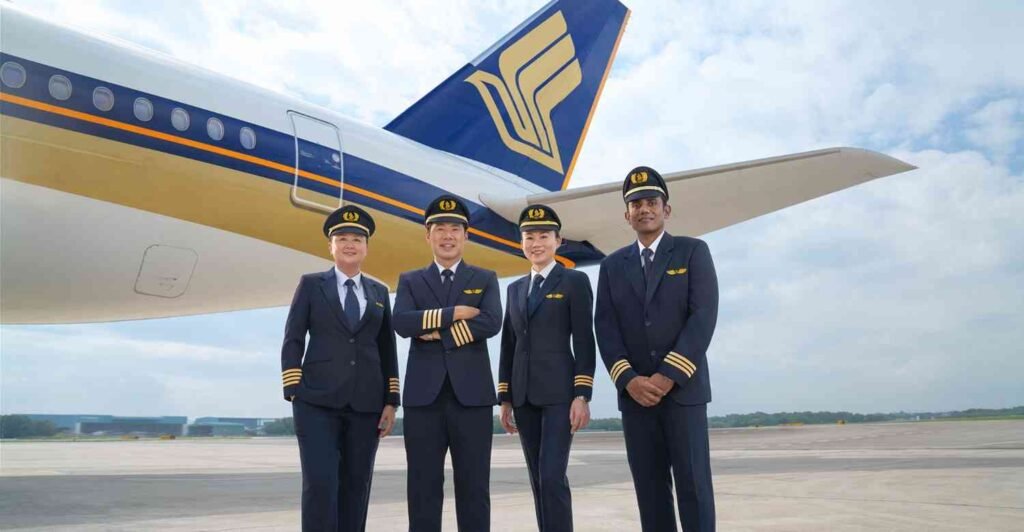
The KrisFlyer Loyalty Programme
Frequent travellers should pay attention to KrisFlyer, the programme that rewards flying with miles you can spend on future trips. Miles are earned based on distance, fare type, and cabin, and they can be redeemed for flights, upgrades, and other perks. Elite tiers, which are reached by collecting enough qualifying activity, unlock benefits such as lounge access, extra baggage, and priority handling at the airport. One appealing feature is that miles can also be earned through partner airlines, credit cards, and hotel stays, so you do not need to fly constantly to build a balance. Redemption seats on premium cabins can be limited, so planning early and staying flexible with dates makes a real difference. Members who are disciplined about where they collect miles often find that a single well-timed redemption in Business Class delivers more value than several small economy rewards, especially on the airline’s longest flights.
Smart Tips for Booking Your Seat
Getting good value depends more on timing and strategy than on luck. Fares tend to be lowest when booked several months ahead, though sales appear during quieter travel seasons and are worth watching. Flexible dates can save a surprising amount, particularly if you can shift your departure by a day or two around weekends. It also pays to compare the total cost of a connection through Changi against a nonstop alternative, because the airport itself is comfortable enough that a longer layover can feel like part of the holiday. When you book, choose your seat early, and if you are travelling as a couple, look for the aircraft layouts that offer paired window seats. Finally, read the baggage allowance for your fare type, since it changes depending on the route and ticket. Booking directly through the airline or a trusted agent usually makes changes and refunds far easier to manage.
Getting the Most From Changi Airport
Since Singapore Airlines uses Changi as its home base, understanding the airport can improve your journey as much as the flight itself. The terminals are clean, easy to navigate, and packed with gardens, rest zones, free entertainment corners, and a wide choice of restaurants. If you have a long layover, you can leave the airport quickly on a short train ride into the city, provided your passport rules allow it. Business and First Class travellers get lounge access, but even economy passengers can find quiet corners, charging points, and comfortable seating. Arriving early is rarely a hardship here. Many regular travellers deliberately book itineraries with a four to six hour connection so they can shower, eat properly, and stretch their legs before the next flight. That approach turns a tiring transfer into a restful pause, which is especially helpful when you are crossing several time zones in a single trip.
Conclusion
The enduring appeal of Singapore Airlines lies in how consistently it delivers the small things that long journeys demand: a comfortable seat, food worth eating, attentive people, and a home airport that makes connections painless. Its fleet is modern, its cabins are clearly differentiated, and its KrisFlyer programme gives regular travellers a genuine reason to stay loyal. That said, no airline is perfect for every passenger. Fares can be higher than budget alternatives, and premium redemptions require planning. If price is your only priority, you may find cheaper options. If you value reliability, comfort, and thoughtful service across a long flight, this carrier is hard to beat. Compare cabins carefully, book early, use the airport to your advantage, and you will likely understand why so many travellers keep coming back and recommending it to friends and family.