Who Is a Cargo Aircraft Pilot
A cargo aircraft pilot is an aviation professional responsible for flying planes that transport goods, mail, machinery, medical supplies, and other freight instead of passengers. Unlike commercial airline pilots who focus on passenger comfort and cabin service coordination, this role centers on cargo weight management, loading balance, and delivering shipments on tight schedules. These pilots often operate wide-body freighters that carry tons of material across domestic and international routes. Because cargo flights frequently happen during odd hours, including overnight and early morning slots, the lifestyle differs significantly from typical passenger flying. A cargo aircraft pilot must be comfortable working irregular hours, spending long periods away from home, and adapting to varying weather and airport conditions across multiple regions. The job demands precision, patience, and strong technical understanding of aircraft systems, since cargo planes often carry heavier and unevenly distributed loads compared to standard passenger jets.
Key Responsibilities of a Cargo Aircraft Pilot
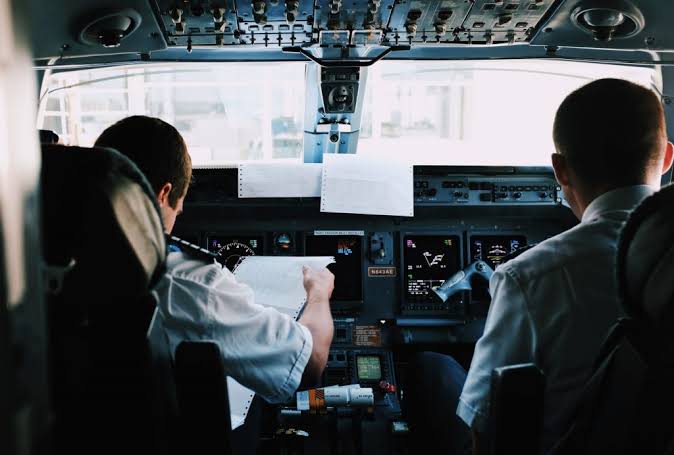
The daily duties of a cargo aircraft pilot go beyond simply operating the aircraft. Before every flight, they must verify load charts, check weight distribution, and ensure the cargo has been secured properly to prevent shifting during turbulence. They coordinate closely with ground crews, loadmasters, and dispatchers to confirm that fuel calculations match the cargo weight and route distance.
Typical responsibilities include:
- Conducting pre-flight and post-flight inspections of the aircraft
- Reviewing weather briefings and adjusting flight plans accordingly
- Communicating with air traffic control throughout the journey
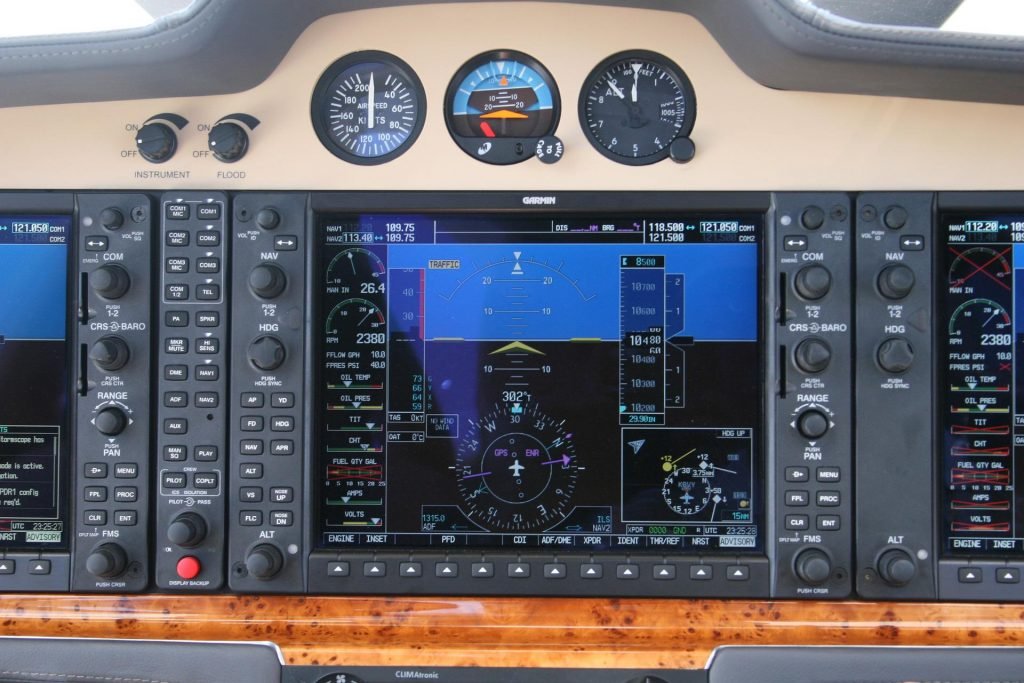
- Monitoring engine performance, fuel consumption, and navigation systems
- Ensuring compliance with aviation safety regulations and cargo handling standards
- Managing emergency procedures if mechanical or weather issues arise
These tasks require constant attention to detail, since even minor miscalculations in cargo weight can affect aircraft balance and overall flight safety.
Skills Every Cargo Aircraft Pilot Must Have
Becoming a successful cargo aircraft pilot requires a combination of technical knowledge, physical stamina, and strong decision-making ability. Since many cargo routes involve flying through unpredictable weather or landing at airports with limited support infrastructure, adaptability is essential. Pilots must also maintain composure during long solo stretches, particularly on overnight international routes where fatigue management becomes critical.
Core skills include:
- Strong understanding of aircraft weight and balance principles
- Excellent situational awareness and quick problem-solving ability
- Effective communication with air traffic controllers and ground staff
- Sound knowledge of instrument flying and night navigation
- Ability to handle stress during irregular schedules and time-zone shifts
- Mechanical aptitude to understand aircraft systems and troubleshoot minor issues
These abilities, combined with disciplined habits, help a cargo aircraft pilot maintain consistency and safety across thousands of flight hours.
Educational and Licensing Requirements
Entering this profession begins with obtaining a private pilot license, followed by a commercial pilot license, which involves extensive flight training hours, written examinations, and practical skill assessments. Most cargo aircraft pilot positions also require an instrument rating, allowing pilots to operate safely in low-visibility conditions using cockpit instruments rather than visual references alone.
Many operators prefer candidates who hold a multi-engine rating, since most freighters use more than one engine. Additional certifications, such as type ratings for specific aircraft models, are often mandatory before pilots can command particular cargo planes. Aviation authorities also require regular medical examinations to confirm physical fitness, as vision, hearing, and cardiovascular health directly impact flying capability. Continuous education through simulator training and recurrent testing ensures pilots stay updated with evolving safety protocols, technology upgrades, and regulatory changes throughout their careers.
Training Process for Aspiring Cargo Pilots
Training typically starts with ground school, where candidates learn aerodynamics, meteorology, navigation, and aviation regulations. This is followed by hands-on flight training in smaller aircraft before progressing to larger, multi-engine planes. Many aspiring professionals accumulate flight hours by working as flight instructors or through regional aviation companies before transitioning into freight operations.
Simulator-based training plays a major role in preparing candidates for emergency scenarios, such as engine failure or extreme weather diversions, without real-world risk. Cargo-specific training modules also cover load planning, hazardous materials handling, and center-of-gravity calculations unique to freight operations. This structured progression ensures that by the time someone qualifies as a cargo aircraft pilot, they have both the technical competence and practical judgment needed to manage complex, high-responsibility flights involving valuable or sensitive shipments.
Career Path and Advancement
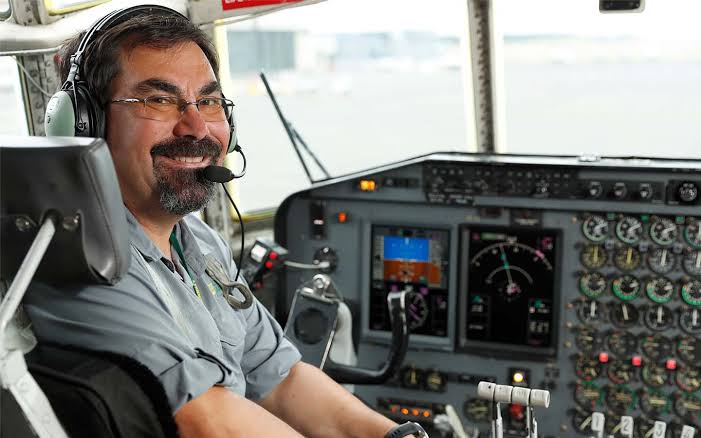
Career progression in this field generally starts with smaller turboprop freighters before advancing to larger jet aircraft used for long-haul international cargo routes. Entry-level pilots often build experience flying regional cargo routes, gradually gaining seniority that allows them to bid for larger aircraft and more favorable schedules.
With enough flight hours and demonstrated reliability, pilots can advance to captain positions, overseeing flight crews and taking full command responsibility. Some professionals eventually move into training roles, teaching newer pilots simulator procedures and operational standards. Others transition into flight operations management, using their field experience to plan routes, oversee compliance, and support fleet scheduling. This structured advancement path rewards experience and consistent performance, making long-term career growth achievable for dedicated professionals in freight aviation.
Common Challenges in This Profession
Despite its rewarding nature, working as a cargo aircraft pilot comes with distinct challenges. Irregular schedules, including overnight flights and extended time away from home, can affect personal life and sleep patterns. Cargo pilots also frequently fly into airports with fewer amenities or challenging runway conditions compared to major passenger hubs.
Notable challenges include:
- Managing fatigue during long overnight or transcontinental flights
- Adapting to sudden weather changes affecting cargo routes
- Handling isolated decision-making without cabin crew support
- Navigating airports with limited ground infrastructure
- Balancing strict delivery timelines with safety priorities
Successfully managing these challenges requires strong self-discipline, health awareness, and mental resilience, qualities that experienced professionals develop over years of consistent flying practice.
Salary and Job Outlook
Compensation for freight aviation professionals varies based on aircraft type, flight hours, seniority, and region of operation. Entry-level positions typically offer modest pay, but earnings increase substantially as pilots accumulate experience and move into larger aircraft categories. Long-haul international freight routes generally offer higher pay due to increased responsibility and extended duty hours.
The global rise in e-commerce and international trade continues to expand demand for reliable air freight services, creating steady opportunities for qualified professionals. As logistics networks grow more complex, experienced freight aviators remain valuable for their ability to manage time-sensitive deliveries safely. This growing demand suggests continued opportunities for those pursuing long-term careers in cargo operations, particularly individuals willing to relocate or accept varied international assignments.
Cargo Pilot vs Passenger Airline Pilot
While both roles require similar foundational licenses, the daily experience differs considerably. A cargo aircraft pilot generally works without cabin crew interaction, focusing solely on flight operations and freight safety rather than passenger service. Schedules also differ significantly, with freight operations often running overnight to meet delivery deadlines, while passenger flights typically follow daytime patterns aligned with traveler convenience.
Additionally, cargo operations may involve more frequent short-haul repositioning flights or irregular routing based on shipment demand, whereas passenger airlines maintain more predictable, fixed schedules. Despite these differences, both career paths share core aviation principles, safety standards, and licensing requirements, making it possible for pilots to transition between cargo and passenger roles depending on personal preferences and lifestyle priorities throughout their professional journey.