Commercial Airline Pilots
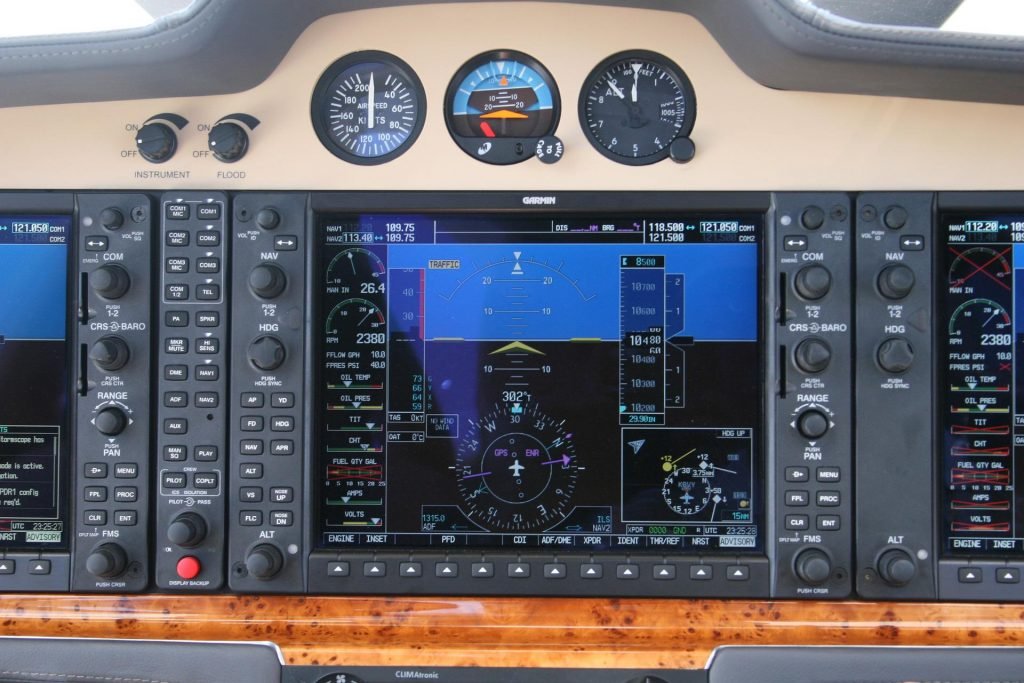
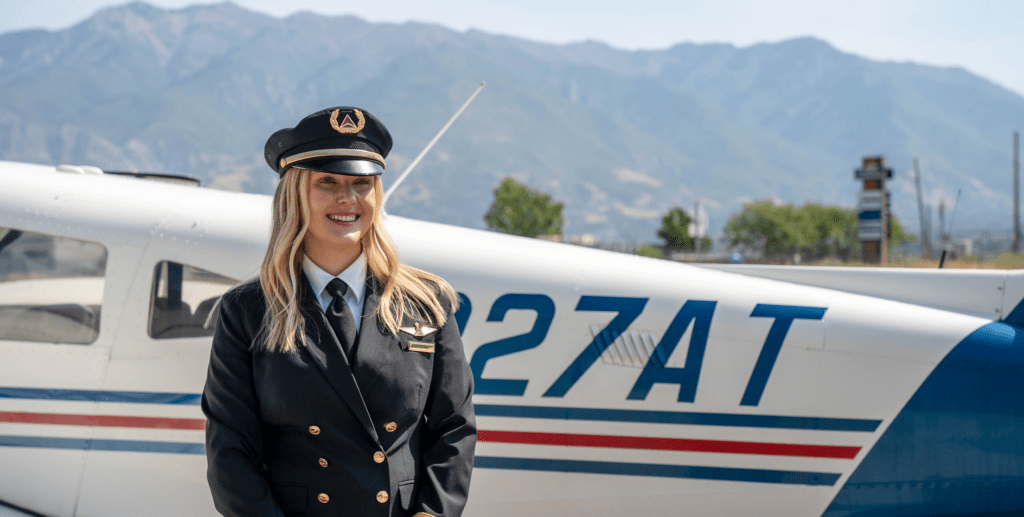
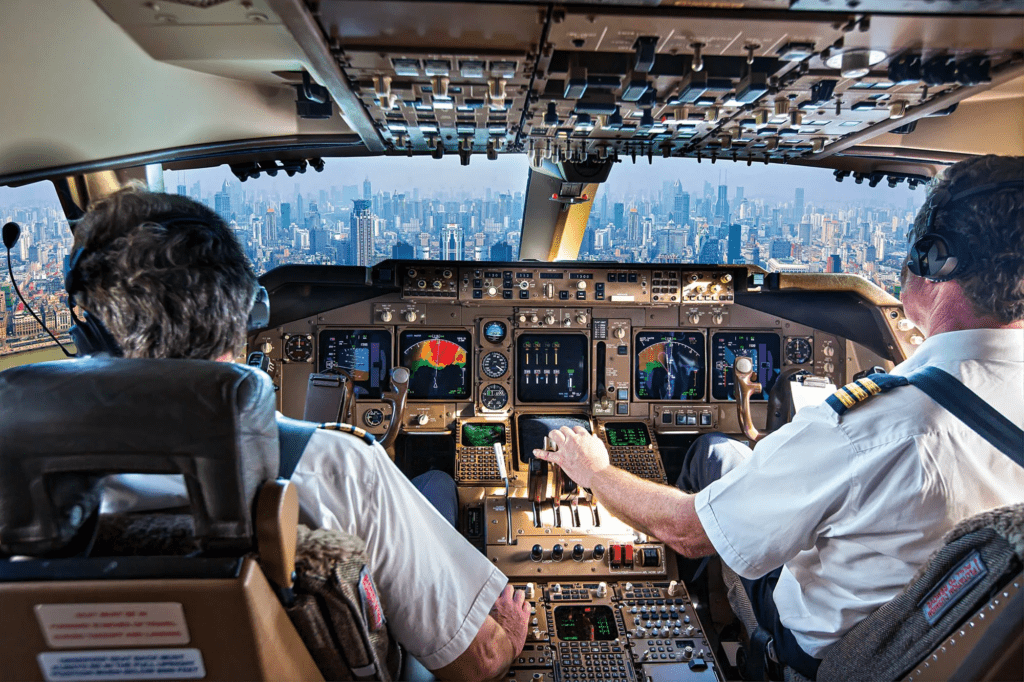
Commercial airline pilots are among the most recognized types of pilots in the aviation industry. They fly scheduled passenger flights for airlines, transporting people across cities, countries, and continents. These pilots undergo rigorous training, hold an Airline Transport Pilot License, and log thousands of flying hours before qualifying for the cockpit of a large aircraft. Their responsibilities include pre-flight checks, navigation, communication with air traffic control, and ensuring passenger safety throughout the journey. Airline pilots often start as first officers before advancing to captain positions after gaining sufficient experience. This career path demands discipline, sharp decision-making skills, and the ability to handle high-pressure situations. Because of strict regulatory requirements, commercial pilots must also renew their medical certifications regularly and complete recurrent training to stay updated with new aircraft systems and safety protocols.
Private Pilots
Private pilots represent one of the most accessible types of pilots for individuals who fly primarily for personal enjoyment rather than commercial purposes. They hold a Private Pilot License, which allows them to operate small aircraft without carrying passengers for hire. Many private pilots use their skills for recreational flying, weekend trips, or as a stepping stone toward more advanced certifications. Training for this license typically involves fewer flight hours compared to commercial pilots, making it a popular entry point into aviation. Private pilots must still meet safety standards, pass written and practical exams, and maintain their aircraft properly. While they cannot earn money from flying, many use their license to explore new destinations, build flying experience, or pursue aviation as a lifelong hobby. This category often serves as the foundation for pilots aiming for professional careers.
Military Pilots
Military pilots operate some of the most advanced and demanding aircraft in the world, making them a distinct category among types of pilots. They fly fighter jets, bombers, transport planes, and helicopters for national defense purposes. Training for military aviation is intense, involving combat simulations, high-speed maneuvers, and specialized instrument handling. These pilots must pass strict physical and psychological evaluations before entering flight school. Their duties extend beyond flying, often including reconnaissance missions, tactical operations, and emergency response support. Military pilots typically serve under a chain of command and must adapt quickly to changing mission requirements. Many pilots who begin their careers in the armed forces later transition into commercial aviation, bringing valuable discipline and technical expertise. This path remains one of the most respected among all types of pilots due to its demanding nature.
Cargo and Freight Pilots
Cargo pilots form another essential group within the broader spectrum of types of pilots. Instead of transporting passengers, they fly aircraft loaded with goods, packages, and freight to destinations around the world. These pilots often operate during nighttime hours to meet delivery schedules, which requires strong time-management and navigation skills. Cargo flights can vary from short regional routes to long international journeys, depending on the airline or logistics company involved. Pilots in this field must be comfortable working irregular hours and handling large aircraft loaded with heavy shipments. Precision in weight distribution and fuel calculations becomes especially important in this role. Many cargo pilots gain experience flying smaller freight planes before advancing to larger cargo jets. This career path offers steady demand due to the constant need for global shipping and logistics support.
Charter Pilots
Charter pilots operate private or on-demand flights for individuals, businesses, or small groups who require flexible travel arrangements. Unlike scheduled airline pilots, charter pilots often deal with changing itineraries and last-minute bookings. They may fly small jets, turboprops, or larger private aircraft depending on client needs. This role demands strong adaptability since routes and destinations can vary significantly from one flight to another. Charter pilots must also maintain excellent customer service skills, as they often interact directly with passengers. Their schedules can be unpredictable, requiring readiness at short notice. Many charter pilots enjoy the variety this career offers compared to fixed airline routes:
- Flexible destinations and shorter routes
- Direct passenger interaction
- Varied aircraft types
- Frequent schedule changes
This category attracts pilots who prefer dynamic, less repetitive flying assignments.
Helicopter Pilots
Helicopter pilots specialize in rotary-wing aircraft, distinguishing them from fixed-wing operators among the many types of pilots. They perform a wide range of tasks, including medical evacuations, tourism flights, aerial surveying, and law enforcement support. Helicopter flying requires different skills compared to airplanes, particularly in hovering, vertical takeoffs, and landing in confined spaces. These pilots often work in emergency response situations, requiring quick thinking and precise control under pressure. Training includes mastering complex rotor systems and understanding unique aerodynamic principles. Helicopter pilots may also work in industries such as construction, offshore oil transport, and search-and-rescue operations. Their versatility makes them valuable across multiple sectors beyond traditional aviation. Because helicopters can access remote or difficult locations, these pilots often play critical roles during natural disasters and rescue missions where fixed-wing aircraft cannot operate effectively.
Agricultural Pilots
Agricultural pilots, often referred to as crop dusters, apply pesticides, fertilizers, or seeds to farmland from the air. This specialized category among types of pilots requires flying at extremely low altitudes with precision and control. These pilots must navigate around obstacles such as power lines, trees, and buildings while maintaining consistent spraying patterns. Agricultural flying demands strong situational awareness since conditions can change rapidly due to wind or terrain. Pilots in this field typically operate smaller, specially equipped aircraft designed for low-speed maneuverability. Seasonal demand often shapes their work schedules, with busier periods during planting and harvest seasons. Key skills required for agricultural pilots include:
- Precise low-altitude flying
- Quick reaction to obstacles
- Understanding of chemical application techniques
- Strong terrain awareness
This career path plays a vital role in supporting modern farming operations worldwide.
Test Pilots
Test pilots evaluate new aircraft designs, modifications, and systems before they are approved for public or commercial use. This category stands out among types of pilots due to the technical expertise and risk involved. They work closely with engineers to assess aircraft performance, stability, and safety under various conditions. Test pilots often push aircraft to their operational limits to identify potential issues before mass production or certification. Their feedback directly influences design improvements and safety standards. This role typically requires extensive flying experience combined with strong analytical and engineering knowledge. Test pilots may work on military prototypes, experimental aircraft, or new commercial models. Given the unpredictable nature of untested aircraft, this profession demands exceptional composure and quick decision-making skills during unexpected in-flight situations.
Flight Instructors
Flight instructors play a crucial role in shaping the next generation of pilots across all categories. They teach students the fundamentals of flying, from basic controls to advanced navigation techniques. This profession requires strong communication skills, patience, and a deep understanding of aviation principles. Flight instructors often hold additional certifications that allow them to train pilots for private, commercial, or instrument ratings. Many pilots choose this path early in their careers to accumulate flight hours while earning income. Instructors must stay updated on regulatory changes and teaching methodologies to provide accurate guidance. Their responsibilities extend beyond flying lessons, as they also prepare students for written exams and practical flight tests. This role remains essential in maintaining consistent quality and safety standards across nearly all types of pilots entering the industry today.
Corporate Pilots
Corporate pilots fly private aircraft for businesses, executives, or organizations that require efficient travel solutions. This category differs from charter flying since corporate pilots typically work exclusively for one company rather than multiple clients. Their schedules often align with executive travel needs, requiring flexibility and availability during business hours. Corporate pilots must maintain high standards of professionalism, as they frequently interact with company leadership and important clients. Aircraft used in this field range from small jets to larger business aircraft equipped with modern technology. Precision, punctuality, and confidentiality are essential traits for success in this role. Corporate aviation departments often value pilots who can manage logistics independently, including flight planning and coordination with ground staff. This career path offers stability and consistent routes compared to some other types of pilots working in more variable environments.