

Understanding the Basics of Aircraft Flying
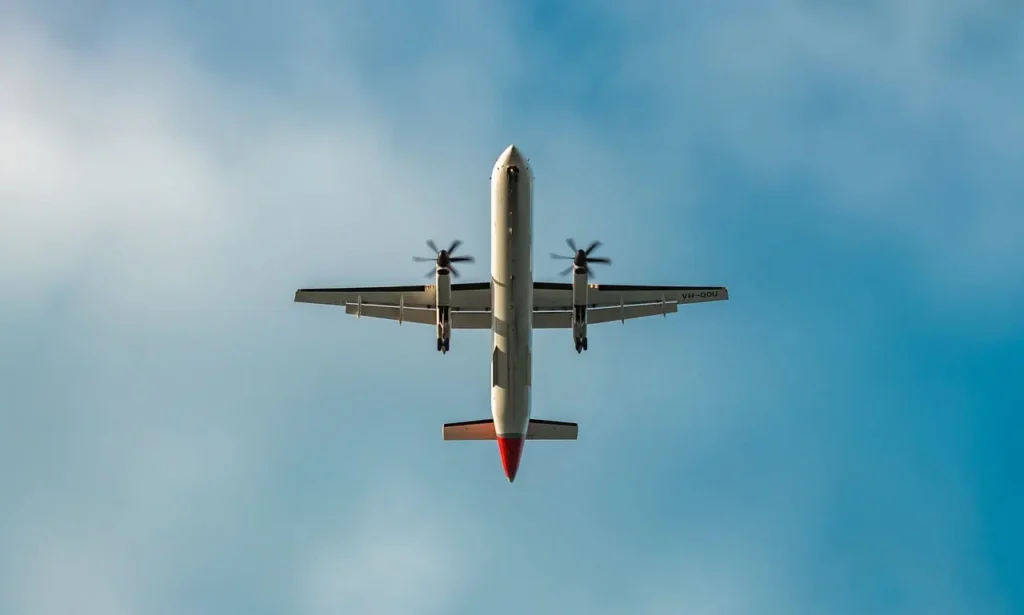
Aircraft flying is one of the most remarkable achievements in human engineering history. It represents the culmination of centuries of scientific curiosity, mathematical calculation, and mechanical innovation. At its core, aircraft flying depends on four fundamental forces working in harmony: lift, weight, thrust, and drag. Each of these forces must be carefully balanced for a plane to leave the ground, maintain altitude, and land safely. Engineers spend years studying airflow patterns, wing shapes, and engine performance to ensure that aircraft flying remains as safe and efficient as possible. Understanding these basics helps passengers and enthusiasts alike appreciate just how much precision goes into every single flight, whether it is a short regional hop or a long transcontinental journey across oceans and continents.
How Lift Makes Aircraft Flying Possible
Lift is arguably the most critical force behind aircraft flying, generated primarily by the shape and angle of the wings. As air flows over and under the curved wing surface, a pressure difference is created, pushing the aircraft upward. The faster the air moves over the wing, the greater the lift produced. This principle, rooted in aerodynamics, allows heavy metal structures to rise thousands of feet into the sky. Pilots and engineers must constantly account for variables like air density, wing angle, and speed to sustain proper lift throughout a journey. Without a solid understanding of lift, aircraft flying would be impossible, which is why aerodynamic research remains central to aviation design, testing, and continuous improvement across every category of aircraft in operation today.
The Role of Thrust in Powering Flight
Thrust is the forward-driving force that propels an aircraft through the air, working directly against drag to enable aircraft flying at various speeds. Modern engines, whether jet turbines or propeller-driven systems, generate immense power by expelling air or exhaust gases backward, pushing the aircraft forward according to basic physics principles. The amount of thrust required depends on the aircraft’s size, weight, and intended cruising speed. Larger aircraft need significantly more thrust to achieve and maintain flight compared to smaller planes. Engineers continuously refine engine technology to improve fuel efficiency while maximizing thrust output, ensuring that aircraft flying becomes more sustainable over time. This balance between power and efficiency is central to how the aviation industry approaches design for both commercial and private aircraft.
Weight and Drag as Opposing Forces
While lift and thrust push an aircraft upward and forward, weight and drag work against these movements, creating the necessary equilibrium for controlled aircraft flying. Weight is simply the force of gravity pulling the aircraft downward, influenced by the total mass of the plane, its fuel, cargo, and passengers. Drag, on the other hand, is the resistance an aircraft encounters as it moves through the air, caused by friction and air pressure against its surfaces. Reducing drag through streamlined design is a major focus in aerospace engineering, as less resistance means better fuel economy and smoother aircraft flying experiences. Balancing these four forces requires constant monitoring by onboard systems and pilots, especially during takeoff, cruising, and landing phases of every flight.
Navigation Systems Supporting Modern Flight
Beyond the physical forces at play, aircraft flying today relies heavily on sophisticated navigation and communication systems. Global positioning technology, radar systems, and automated flight controls work together to guide aircraft safely from departure to destination. Pilots use these tools to monitor weather conditions, avoid turbulence, and maintain precise flight paths even in low visibility situations. Air traffic control also plays an essential role, coordinating multiple aircraft flying simultaneously within crowded airspace to prevent collisions and ensure orderly movement. These systems have evolved dramatically over recent decades, transforming aviation from a largely manual practice into a highly automated and data-driven industry. Reliable navigation remains one of the pillars supporting safe and efficient air travel worldwide.
The Structural Engineering Behind Aircraft Design
Every aspect of an aircraft’s structure is engineered with flying performance in mind. From the fuselage to the wings, tail, and landing gear, materials must be lightweight yet strong enough to withstand the stresses of takeoff, cruising altitude, and landing impacts. Aluminum alloys, composite materials, and titanium are commonly used because they offer an ideal balance between strength and weight reduction. Structural engineers conduct extensive stress testing to simulate turbulence, pressure changes, and temperature fluctuations that aircraft experience during flight. This rigorous testing ensures that aircraft can withstand years of repeated use without compromising safety. The design process also considers aerodynamic efficiency, passenger comfort, and fuel capacity, all of which contribute to how smoothly and reliably an aircraft performs once airborne.
Weather Conditions and Their Impact on Flight
Weather remains one of the most unpredictable factors influencing aircraft flying. Wind speed, direction, temperature, and precipitation can all affect how an aircraft performs during different flight phases. Strong crosswinds during takeoff or landing require pilots to make precise adjustments, while turbulence at cruising altitude can create a bumpy ride for passengers. Thunderstorms, icing conditions, and low visibility often require rerouting or delays to maintain safety standards. Meteorological data is continuously fed into flight planning systems, helping pilots anticipate and avoid hazardous conditions whenever possible. Despite advances in weather forecasting technology, atmospheric conditions remain a variable that pilots must actively manage throughout every journey, making adaptability and training essential skills for anyone responsible for operating an aircraft safely.
Training and Skill Required for Pilots
Operating an aircraft demands years of rigorous training, combining theoretical knowledge with extensive practical experience. Pilots must understand aerodynamics, meteorology, navigation, and mechanical systems before they are permitted to take control of an aircraft independently. Flight simulators play a crucial role in preparing pilots for emergency scenarios without real-world risk, allowing them to practice responses to engine failure, severe weather, or system malfunctions. Continuous education and recurrent training ensure that pilots remain updated on evolving technology and safety protocols. The complexity of aircraft flying requires not only technical skill but also sound judgment and the ability to remain calm under pressure. This combination of expertise and composure is what allows pilots to safely manage thousands of flights every single day across the globe.
The Future of Aviation Technology
As technology continues advancing, the future of aircraft flying looks increasingly focused on sustainability, automation, and efficiency. Researchers are exploring alternative fuel sources, electric propulsion systems, and hybrid engines to reduce the environmental impact of air travel. Automation is also playing a growing role, with modern aircraft featuring advanced autopilot systems capable of handling significant portions of a flight with minimal human intervention. However, human oversight remains essential for decision-making during unpredictable situations. Innovations in materials science are also contributing to lighter, more fuel-efficient aircraft designs. As global demand for air travel continues to grow, the aviation industry faces the ongoing challenge of balancing performance, safety, and environmental responsibility while continuing to push the boundaries of what aircraft flying can achieve in the coming decades.

