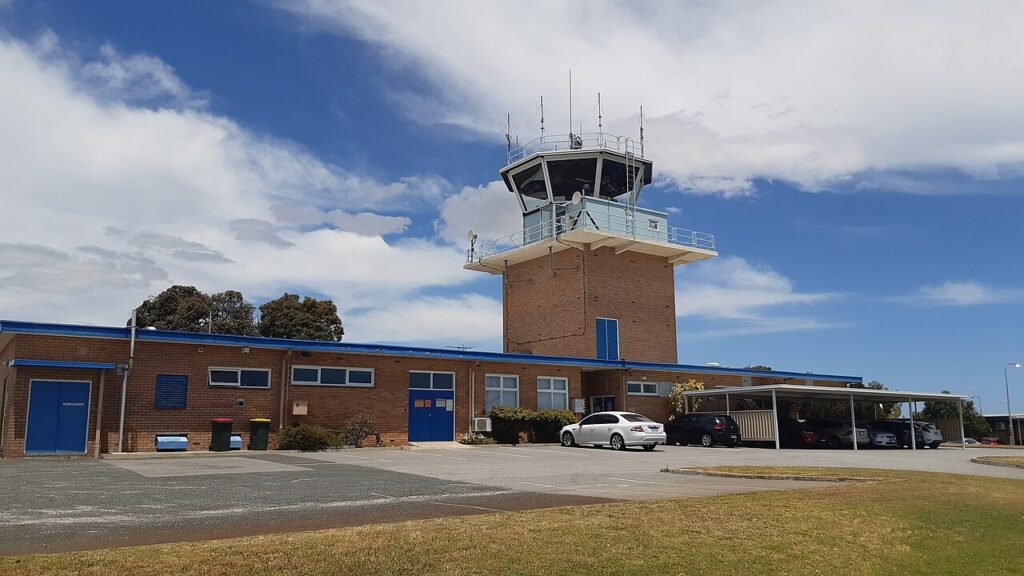
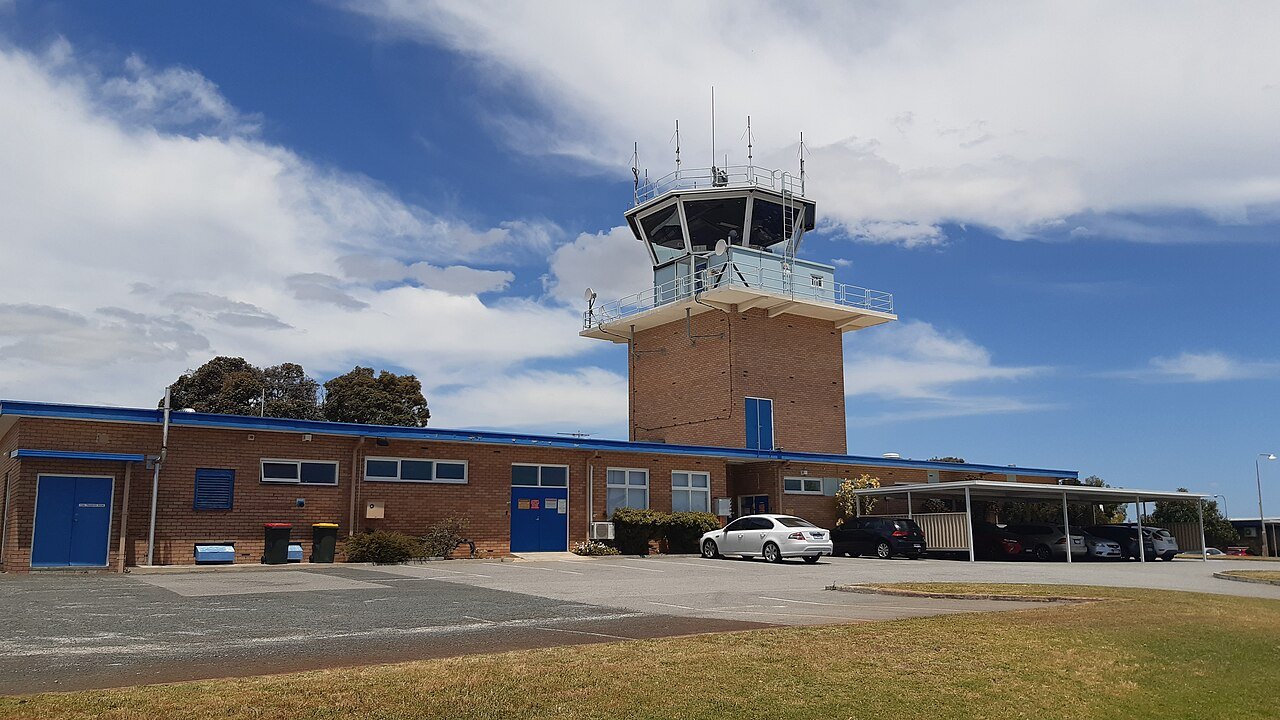
The FAA has changed how its towers may run line up and wait (LUAW) operations. A policy notice that took effect on 24 November 2026 turns a staffing recommendation into a requirement. The change is aimed at controllers rather than pilots, but it can affect how and where you are sequenced for departure.
What the notice says
FAA Notice N JO 7210.979, issued on 9 October 2026 by the Air Traffic Organization, amends section 10-3-8 of FAA Order JO 7210.3. In summary:
- A tower that conducts LUAW must staff a stand-alone watch supervision position (operations supervisor or controller-in-charge). That position cannot be combined with any other position.
- The local control position cannot be combined with any non-local control position, such as watch supervision, clearance delivery, flight data, ground control or cab coordinator.
- Local control may still be combined with other local control positions, specifically a local assist (tower associate) or a local monitor. A Class B or helicopter position with defined control tower airspace may also be combined with local control.
The FAA’s stated aim is to let the supervisor concentrate on the safety of the operation without other duties competing for attention. Previous guidance only recommended this arrangement. The notice sets no distances or numeric thresholds, and it lists a cancellation date of 9 June 2027.
What pilots may notice
AvWeb reports that the change comes during an ongoing controller shortage. Towers that cannot staff a separate supervisor may not be able to use LUAW at all. Possible effects for pilots at those airports:
- Fewer opportunities to be staged on the runway ahead of a takeoff clearance.
- Lower departure rates at busy fields, and more time holding short.
The FAA has not published an estimate of the impact, and the notice does not name affected airports, so treat these as possibilities, not predictions. The notice does not cite a specific accident as its reason.
A quick refresher on LUAW itself
“Line up and wait” is the instruction that replaced “position and hold” in September 2010, aligning US phraseology with ICAO standards. It authorises you to enter the runway and stop. It is not a takeoff clearance.
- Read back the instruction, including the runway.
- Do not begin the takeoff roll until you hear “cleared for takeoff”.
- If you have been on the runway longer than seems reasonable, ask the tower. Check the approach path for traffic on final as you wait.
- If you lose radio contact while lined up, review the light gun signals you would expect from the tower.
When a clearance or runway picture does not make sense, stopping to ask beats guessing. The same principle applies in the air, as covered in our guide to the go-around decision point.
Related FAA changes
This is one of several tower-side updates this month. See also the FAA’s first digital towers at Bartow and Kenai.
FAQ
Does this change anything I must do as a pilot? No. It is an internal FAA staffing requirement for towers; your procedures are unchanged.
Will every tower stop using LUAW? Not necessarily. Towers that can staff the dedicated supervisor can continue.
When does the notice end? It lists a cancellation date of 9 June 2027.
Sources: FAA Notice N JO 7210.979; AvWeb, “FAA Tightens Line Up And Wait Requirements”.