
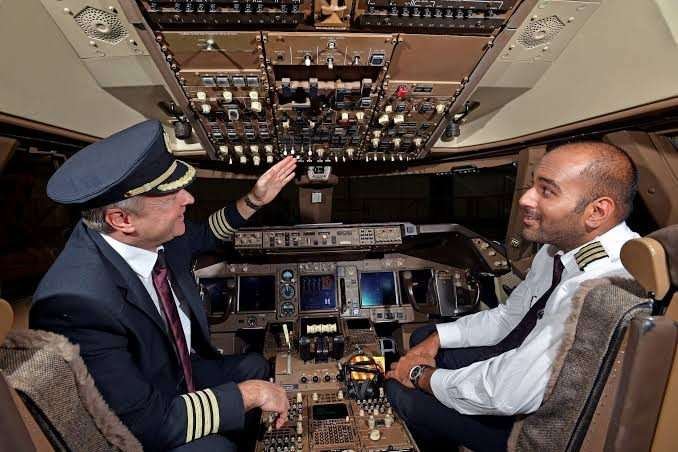
Few airlines carry the same cultural weight as Virgin Atlantic. Founded in 1984 by entrepreneur Richard Branson, the carrier entered a market dominated by legacy giants and immediately positioned itself as the challenger brand — bold, stylish, and unafraid to break convention. That spirit has never really faded. Even as the aviation industry has consolidated and modernized, Virgin Atlantic has managed to hold onto an identity that feels distinctly different from its competitors. Passengers often describe the airline as more personality-driven than purely transactional, and that reputation has carried it through decades of turbulence, including economic downturns, fuel crises, and a pandemic that grounded much of global aviation. Today, the airline operates as a mid-sized long-haul specialist, focusing on transatlantic and select international routes rather than trying to compete everywhere at once.
Where Virgin Atlantic Flies Today
Unlike full-network carriers that spread thin across hundreds of destinations, Virgin Atlantic has deliberately kept its route map focused. The bulk of its flying links London Heathrow and Manchester with major cities across North America, the Caribbean, Africa, and Asia. This concentrated approach allows the airline to maintain consistency in service quality rather than diluting resources across an overly ambitious network.
Some of the airline’s most significant strengths include:
- A strong presence across major U.S. gateway cities, supporting both leisure and business travel
- Long-established Caribbean routes that remain popular for holiday travelers
- Expanding connections into Asia, including newer long-haul additions from Heathrow
- Codeshare and partnership arrangements that extend reach well beyond its own aircraft
This focused strategy means Virgin Atlantic competes less on sheer size and more on the quality of the experience it delivers on the routes it does fly.
The Fleet Behind the Experience
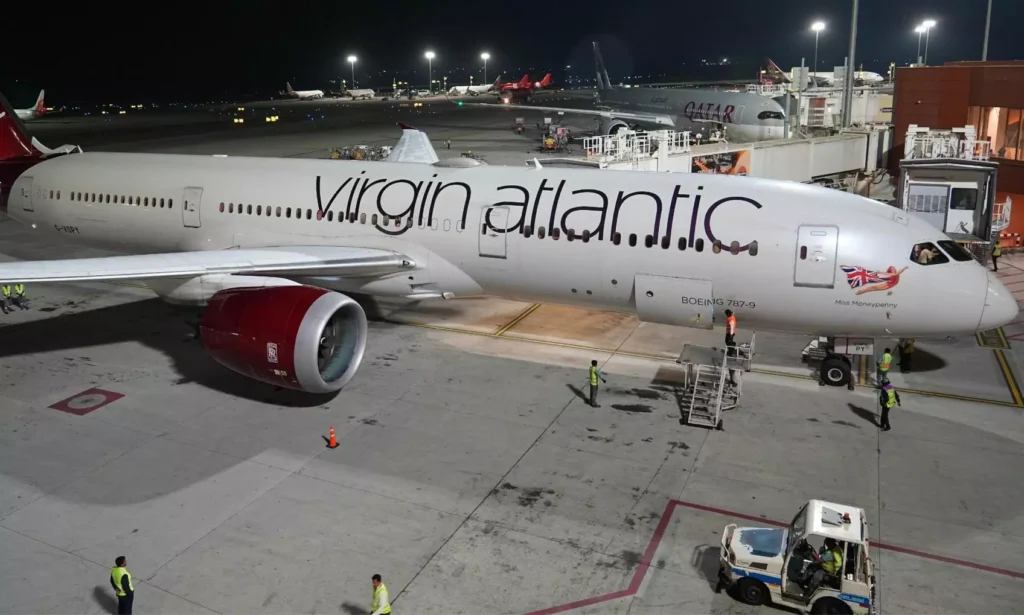
A major part of what sets Virgin Atlantic apart is its aircraft. The airline operates an all-widebody fleet, a rarity among carriers of its size, which means every passenger — regardless of route — flies on a long-haul-capable aircraft rather than a narrowbody built for short hops. The current fleet mix includes Airbus A330s (a combination of older A330-300s and newer, more fuel-efficient A330neos), Airbus A350-1000s, and Boeing 787-9 Dreamliners.
The A350-1000, in particular, has become something of a flagship for the airline, prized for its quieter cabin, improved air quality systems, and smoother ride at altitude. Meanwhile, the ongoing replacement of older A330-300s with A330neos reflects a broader industry shift toward fuel efficiency and reduced emissions. This fleet renewal strategy keeps average aircraft age relatively low, which matters both for reliability and for the overall passenger experience, since newer cabins tend to feel fresher and better equipped with modern entertainment systems.
Cabin Classes and Onboard Comfort
Virgin Atlantic structures its cabins around four main tiers, each designed to serve a different type of traveler:
| Cabin Class | Typical Features | Best Suited For |
|---|---|---|
| Upper Class | Suite-style seating, direct aisle access, onboard bar | Business travelers, special occasions |
| Premium | Wider seats, extra legroom, enhanced dining | Travelers wanting comfort without full premium cost |
| Economy Delight | Additional legroom, priority boarding | Budget-conscious travelers seeking extra space |
| Economy Classic | Standard seating, core amenities | Value-focused leisure travelers |
The Upper Class cabin has long been considered one of the airline’s signature offerings, often compared favorably against first-class products on other carriers despite technically sitting in the business tier. The onboard bar concept, in particular, has become something of a trademark, giving passengers a social space rather than confining them entirely to their seats. This attention to atmosphere, rather than just hardware, is part of why loyal flyers frequently cite the overall experience as a reason for choosing Virgin Atlantic over larger, more anonymous competitors.
Loyalty Program and Frequent Flyer Value
Virgin Atlantic’s loyalty scheme rewards frequent travelers with tiered status, mileage accumulation, and redemption opportunities across its partner network. For travelers who fly the airline regularly, or who concentrate spending through its co-branded credit products, the program can offer meaningful value in the form of upgrades, lounge access, and reward flights. Because the airline maintains partnerships with several major global alliances and independent carriers, points earned can often be redeemed well beyond the airline’s own route map, adding flexibility that some smaller loyalty programs lack. This matters particularly for travelers based outside the airline’s core UK hub markets, since it allows mileage earned on connecting itineraries to still count toward meaningful rewards. Understanding how the tier structure works, and which routes offer the best redemption value, can make a noticeable difference for anyone planning to fly with any regularity.
Network Changes and Seasonal Adjustments
Like most long-haul carriers, Virgin Atlantic regularly adjusts its network to match seasonal demand and profitability targets. Certain routes see reduced frequency or temporary suspension during quieter travel periods, while others are expanded ahead of peak seasons. This kind of flexibility is standard across the industry, but it does mean travelers booking well in advance should double-check schedules closer to departure, since route availability can shift based on demand forecasting and broader market conditions. The airline has also continued to introduce new long-haul destinations in recent years, reflecting a broader strategy of eastward expansion beyond its traditional transatlantic strongholds. These additions signal an airline still actively shaping its identity rather than resting on a fixed, unchanging network.
Sustainability Efforts and Industry Pressure
Sustainability has become an unavoidable topic for every major airline, and Virgin Atlantic is no exception. The push toward newer, more fuel-efficient aircraft is partly about passenger comfort, but it is equally about reducing per-seat emissions and meeting increasingly strict environmental targets. The airline has also been vocal about sustainable aviation fuel initiatives, positioning itself as a participant in broader industry efforts rather than a passive observer. That said, sustainability claims across the aviation sector deserve scrutiny, since genuine emissions reduction at scale remains a long-term challenge for any carrier reliant on jet fuel. Travelers who prioritize environmental considerations when choosing an airline may find it worth researching specific initiatives rather than relying solely on marketing language, as the pace and depth of change varies considerably between carriers.
Competitive Pressures Reshaping the Airline
The long-haul travel market has grown more competitive in recent years, with rivals pushing ultra-long-haul nonstop routes and legacy carriers adjusting strategy around major global events that temporarily reshape travel demand. Virgin Atlantic operates in a crowded transatlantic corridor where it must differentiate itself against much larger competitors with deeper route networks and more extensive alliance backing. Its response has generally leaned on brand identity, cabin experience, and a more curated network rather than attempting to match rivals purely on scale. Whether this strategy remains sustainable long-term depends on factors well beyond any single airline’s control, including fuel prices, regulatory shifts, and shifting consumer expectations around long-haul comfort.
Booking Tips for Getting the Best Value
For travelers considering a flight with Virgin Atlantic, a few practical habits tend to improve outcomes:
- Book well ahead of peak seasons, since premium cabin availability tightens quickly on popular routes
- Monitor fare classes carefully, as economy pricing tiers often carry different baggage and change policies
- Consider connecting itineraries through partner airlines when direct routes aren’t available
- Check seasonal schedule changes before finalizing travel dates, particularly for shoulder-season trips
These habits apply broadly across the airline industry, but they’re especially relevant for a carrier like Virgin Atlantic, where premium cabin demand can be high relative to the number of seats available on any given aircraft type.
Conclusion
Virgin Atlantic occupies an interesting position in modern aviation: smaller than the mega-carriers it competes against, yet still carrying outsized brand recognition built over four decades. Its focus on a modern, all-widebody fleet, a distinctive Upper Class product, and a carefully curated route network has allowed it to maintain relevance in an industry that increasingly rewards scale. Whether that focused strategy continues to pay off will depend on how well the airline balances fleet renewal, network expansion, and competitive pressure from both legacy rivals and newer entrants. For travelers weighing their options, Virgin Atlantic remains a strong choice for anyone prioritizing cabin comfort and brand experience over sheer route breadth — a reminder that in aviation, identity can still matter as much as size.

