
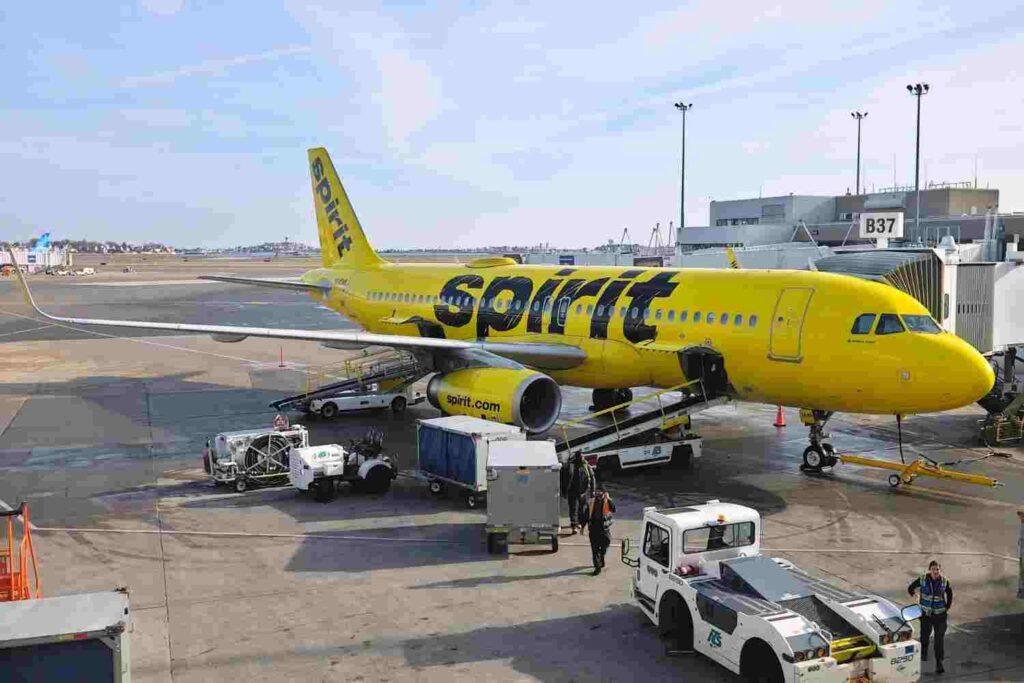
For more than three decades, one name was synonymous with cheap airfare in the United States. That name was Spirit airline, the bright yellow carrier known for stripping air travel down to its bare essentials and charging accordingly. Millions of travelers built entire vacation budgets around its rock-bottom base fares. Then, almost overnight, the airline that helped define the ultra-low-cost model in America stopped flying altogether. Passengers arrived at gates only to find canceled boards, employees learned they were out of work with little warning, and an entire business model built on thin margins finally buckled under pressure it could no longer absorb.
The Rise of a Budget Travel Pioneer
Spirit airline did not start out as a discount carrier. It began decades ago as a small charter and package-tour operator before reinventing itself in the early 2000s as an ultra-low-cost airline. The strategy was simple and, for years, remarkably effective: sell the seat for as little as possible, then charge separately for everything else, from carry-on bags to seat selection to printed boarding passes. Rivals mocked the model, but travelers responded. Spirit airline expanded aggressively into secondary airports and underserved routes, forcing larger legacy carriers to introduce their own basic economy fares just to compete. At its peak, the airline carried tens of millions of passengers annually and was frequently cited as proof that price-conscious flying had a permanent place in the American market.
Cracks Beneath the Surface
Despite its visible popularity, spirit airline’s finances were far shakier than most passengers realized. The pandemic years hit the carrier especially hard, saddling it with debt just as travel demand collapsed. A high-profile attempt to merge with a rival low-cost carrier fell apart after regulators blocked it on antitrust grounds, removing what many analysts considered the company’s best path to long-term survival. Meanwhile, engine recalls grounded a meaningful portion of its fleet, cutting into revenue at the worst possible moment. Competition from larger airlines offering their own no-frills fares also chipped away at the very price advantage that had made spirit airline’s business model work in the first place. Investors grew increasingly nervous, and the airline’s stock price slid toward penny-stock territory.
The First Bankruptcy and a Brief Reprieve
By late 2024, the pressure had become impossible to ignore, and spirit airline filed for Chapter 11 bankruptcy protection. Executives framed the move as a chance to restructure debt and emerge as a leaner, more competitive operation. The airline continued flying throughout the process, trimming its schedule and cutting underperforming routes while promising a renewed focus on efficiency. Leadership even teased upcoming changes such as extra-legroom seating and an overhauled loyalty program, signaling optimism that the carrier could still find its footing. For a while, it seemed to be working. The company exited its first bankruptcy proceeding with an agreement from creditors and cautious confidence that spirit airline had bought itself the time it needed to rebuild.
A Second Filing Signals Deeper Trouble
That optimism proved short-lived. Less than a year after emerging from its first restructuring, spirit airline was back in bankruptcy court, a rare and troubling sign for any company that had just gone through the process once already. This second filing reflected how thin the margin for error had become. Reduced flight schedules, ongoing fleet issues, and a debt load that remained heavy despite restructuring efforts left little room to absorb any further shocks. Analysts noted that being an ultra-low-cost carrier depends entirely on maintaining a genuine cost advantage over competitors, and that advantage had steadily eroded. Without it, the entire foundation of the business was exposed, and there was very little cushion left to fall back on.
The Shock That Ended It All
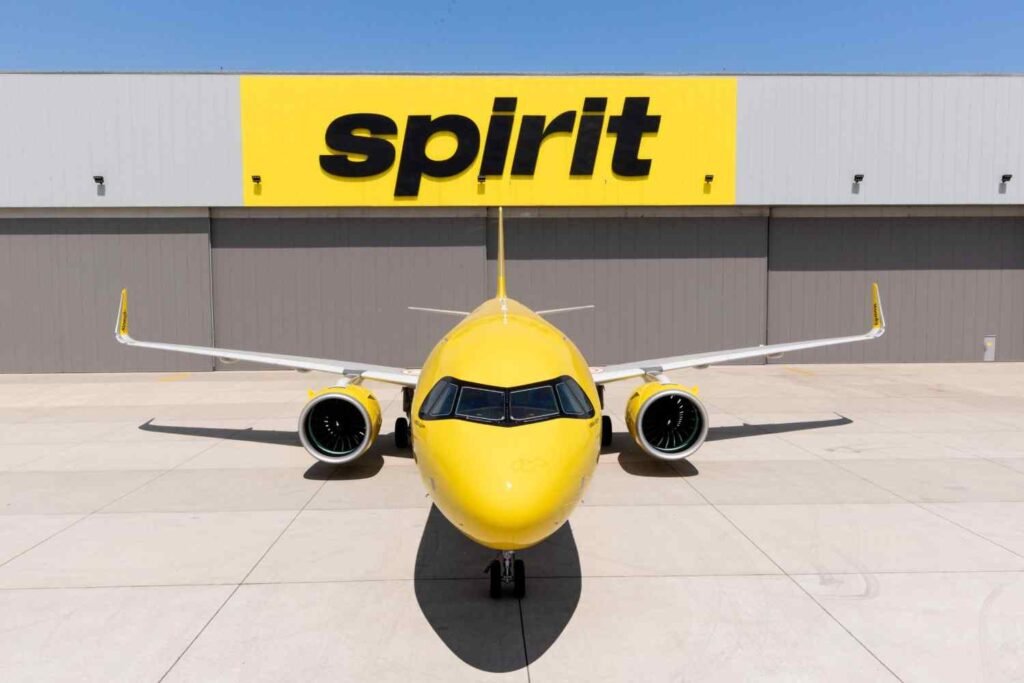
The final blow arrived from an unexpected direction: fuel prices. Spirit airline’s restructuring plan had been built around jet fuel costing roughly two dollars a gallon. Instead, driven by geopolitical conflict that disrupted oil markets, prices climbed dramatically higher within months, nearly doubling from planning assumptions. For an airline already operating on razor-thin margins, that increase was catastrophic. A last-ditch effort to secure emergency financing collapsed after talks with the federal government and creditors failed to produce a deal. In the early hours of a Saturday morning, spirit airline announced an immediate, orderly wind-down of all operations. Every flight was canceled. Customer service phone lines went dark. Passengers were told simply not to come to the airport.
The Human Toll
The abruptness of the shutdown left thousands of people scrambling. Families with vacations already underway suddenly needed new flights home. Workers who had shown up for ordinary shifts learned overnight that their jobs no longer existed. Thousands of employees, from pilots and flight attendants to ground crews, were affected by the closure. Other major airlines stepped in to help ease the disruption, offering capped fares to stranded passengers so they could complete their trips without paying inflated last-minute prices. Government officials worked to coordinate refunds for travelers who had booked directly through the airline, though those who purchased tickets via third-party travel sites faced a more complicated path to getting their money back.
Key facts about the collapse are summarized below:
| Detail | Information |
|---|---|
| Years in operation as ultra-low-cost carrier | Roughly 34 years |
| Bankruptcy filings | Two, within less than two years |
| Immediate cause of final shutdown | Sharp spike in jet fuel prices |
| Estimated wind-down cost | Over $200 million |
| Passengers affected | Tens of thousands stranded, millions with future bookings |
| Employees impacted | Over 1,300 crew members needing relocation |
Why an Ultra-Low-Cost Model Struggled to Survive
The collapse of spirit airline offers a broader lesson about the fragility of the budget airline business. Cutting costs to the bone works well when fuel prices are stable, competition is manageable, and demand keeps growing. It works far less well when any one of those variables shifts sharply. Because ultra-low-cost carriers operate on such thin margins, they have limited financial cushion to absorb shocks that a larger, more diversified airline might weather more easily. Industry observers pointed out that spirit airline’s core problem was not a lack of customer demand but a structural inability to remain profitable once its cost advantage disappeared. Once that edge was gone, ticket prices alone could not keep the business afloat.
What This Means for Travelers Going Forward
For consumers, the loss of spirit airline removes a major source of downward pressure on airfare across the industry. Competition from budget carriers has long been credited with pushing legacy airlines to offer cheaper fares of their own, so the disappearance of a major discount player is likely to be felt well beyond its own former customer base. Travelers who relied on the airline for affordable getaways will need to look toward other budget and hybrid carriers, some of which may adjust pricing now that a major competitor has exited the market. It also serves as a reminder for consumers to consider travel insurance, particularly when booking with carriers operating on unusually thin financial margins.
Lessons From a Budget Airline Era
- Ultra-low fares depend on wafer-thin margins that leave little room for external shocks like fuel spikes.
- Repeated bankruptcy filings within a short window often signal deeper structural problems, not just temporary setbacks.
- Blocked mergers can remove a company’s best remaining path toward long-term stability.
- Sudden shutdowns highlight the value of travel insurance and direct-booking practices for consumers.
Conclusion
The story of spirit airline is ultimately one of ambition colliding with fragility. For 34 years, it reshaped how Americans thought about air travel, proving that a no-frills approach could win over millions of price-sensitive flyers and pressure the entire industry to follow suit. But the very thinness that made its fares so attractive also made the business dangerously exposed to shocks it could not control. Two bankruptcy filings, a blocked merger, and finally a sudden spike in fuel costs combined to end an era that once seemed unshakable. Its closure leaves a noticeable gap in the budget travel market and a cautionary tale for any airline chasing growth through razor-thin margins. Whatever comes next for discount flying in America, the rise and fall of spirit airline will likely be studied as a defining case of how quickly even a beloved brand can run out of runway.