
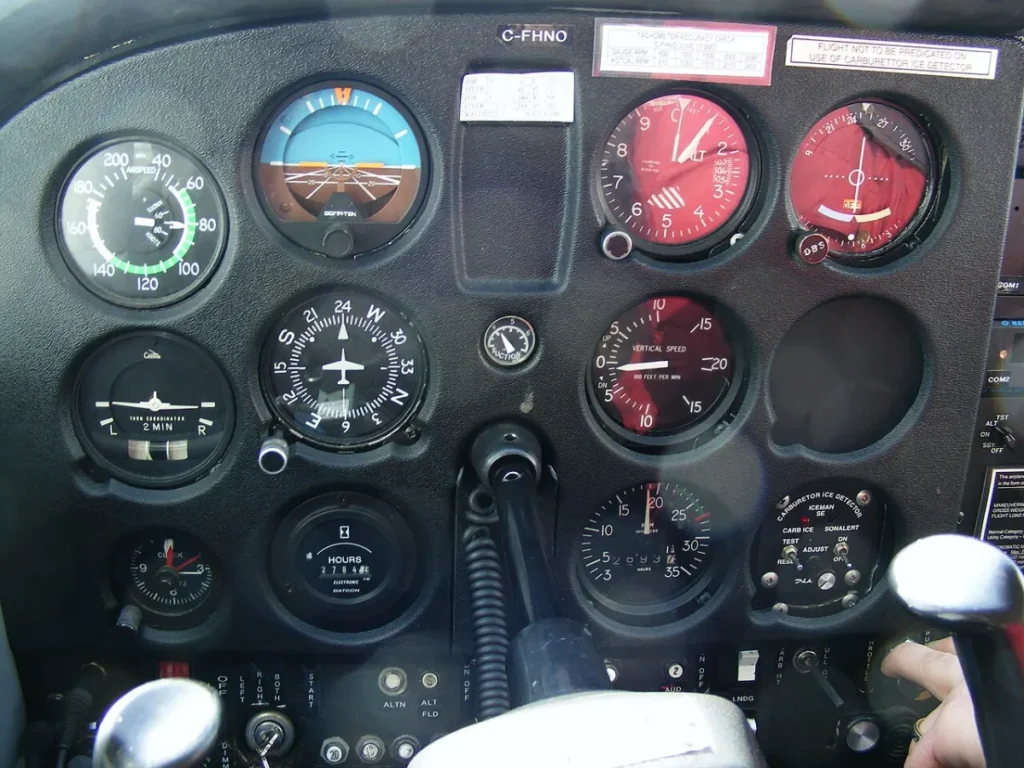
Holding an instrument rating and being current to use it are two separate things. The currency rule sits in 14 CFR 61.57(c) and (d), and the most common mistakes come from counting months wrongly or assuming an IPC is always the answer.
What counts toward currency
To act as pilot in command under IFR or in IMC, you must have logged, within the preceding six calendar months, all of the following:
- Six instrument approaches
- Holding procedures and tasks
- Intercepting and tracking courses through the use of navigation systems
These can be done in actual IMC, in an approved simulator or training device, or in an aircraft using a view-limiting device (a hood or foggles) for simulated instrument flight. Simulated instrument time in an aircraft requires a safety pilot who meets the rules in safety pilot requirements.
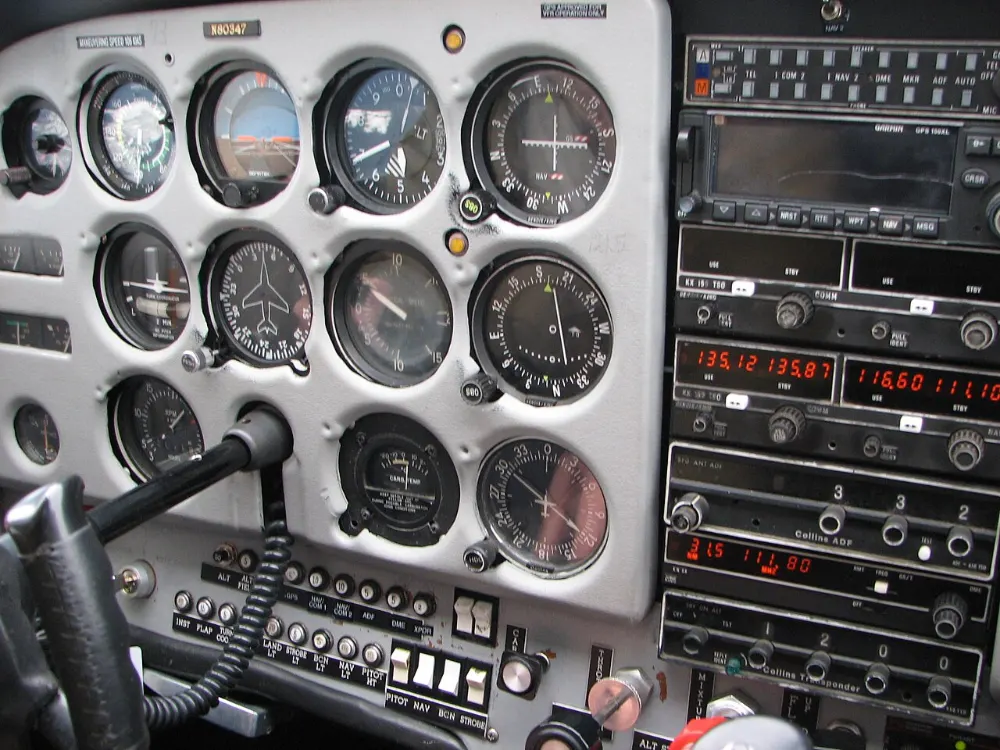
Calendar months, not 180 days
The rule counts calendar months. Currency runs through the end of the sixth month after the month in which you completed the requirements. Example: if you finished the tasks in March, you remain current through 30 September. Pilots who count 180 days from the date of their last approach often think they have lapsed when they have not, or the reverse.
The grace period
If you miss the six-month window, you are not instantly out of options. Under 61.57(d) you have a further six calendar months in which you can regain currency by completing the same tasks, with no instrument proficiency check (IPC) required. During that time you may do the tasks with a safety pilot or in a training device, but you cannot fly IFR as PIC until they are logged.
When an IPC is required
Only after the grace period expires do you need an instrument proficiency check, given by an authorised person such as a CFII or an examiner, covering the instrument areas of the instrument rating practical test. The FAA has clarified the grace period in its guidance, so read the current wording rather than relying on older forum posts.
Keep the paper trail clean
Each approach must be logged with the type, location and conditions. Sloppy entries are a common audit finding, see common pilot logbook mistakes. Reviewing currency alongside your flight review topics is a sensible annual habit.
Currency is not proficiency
Six approaches in good weather six months ago will not prepare you for a low-ceiling approach to minimums. Many pilots set stricter personal rules, such as flying at least one approach a month, and treat the regulation as the floor.
FAQ
Do holds need to be at a specific time? No, they must be completed within the six calendar months like the rest.
Can a simulator count? Yes, if it is an approved device and you log it correctly.

