The first pilots didn’t have simulators, standardized curricula, or Part 121 training programs. They had instinct, open skies, and a brutal feedback loop — get it wrong and you didn’t get a second lesson. Commercial pilot training has traveled an extraordinary distance since those early days, and understanding that journey tells you a lot about how we fly safely at scale today.
From Canvas Wings to Cockpit Procedures
Early aviation training grew straight out of the barnstorming era. Instructors who’d learned on wooden airplane models and model airplanes as conceptual tools passed knowledge mouth-to-ear and stick-to-stick. There were no standardized checkrides, no ACS standards, no FAA oversight. The Fokker Triplane — iconic from WWI — was among the aircraft types that shaped the first generation of military pilots, many of whom later transitioned into early commercial aviation as the airline industry found its footing in the 1920s and 30s.
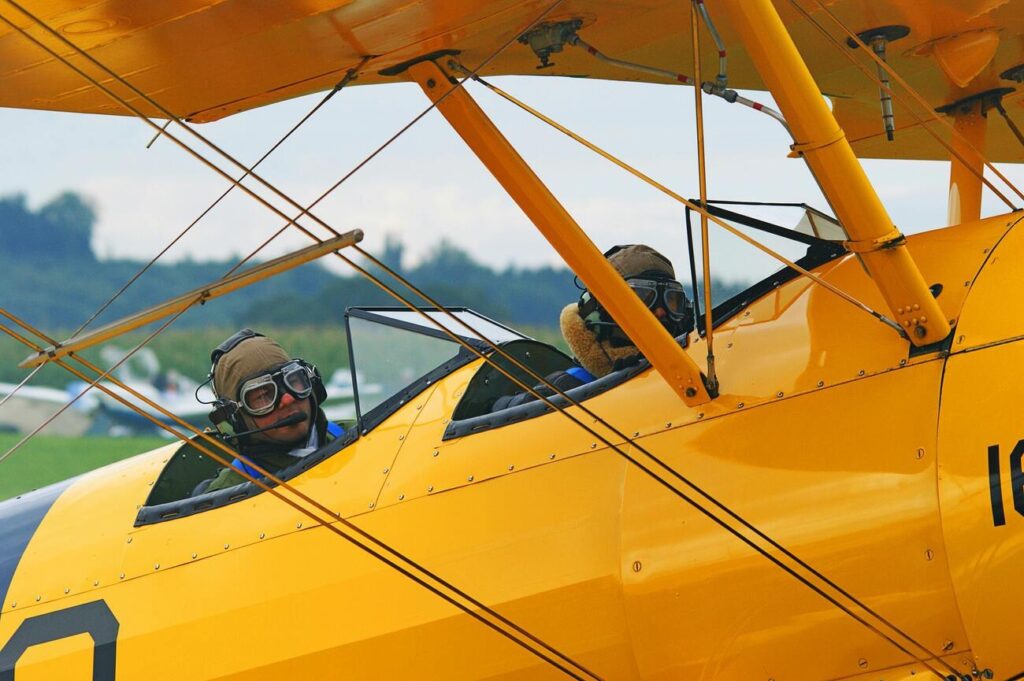
Training was raw. Seat-of-the-pants flying wasn’t a metaphor — it was the actual technique. Pilots felt the aircraft through the airframe before instruments were trusted, let alone required.
The Military Pipeline and the Jet Age
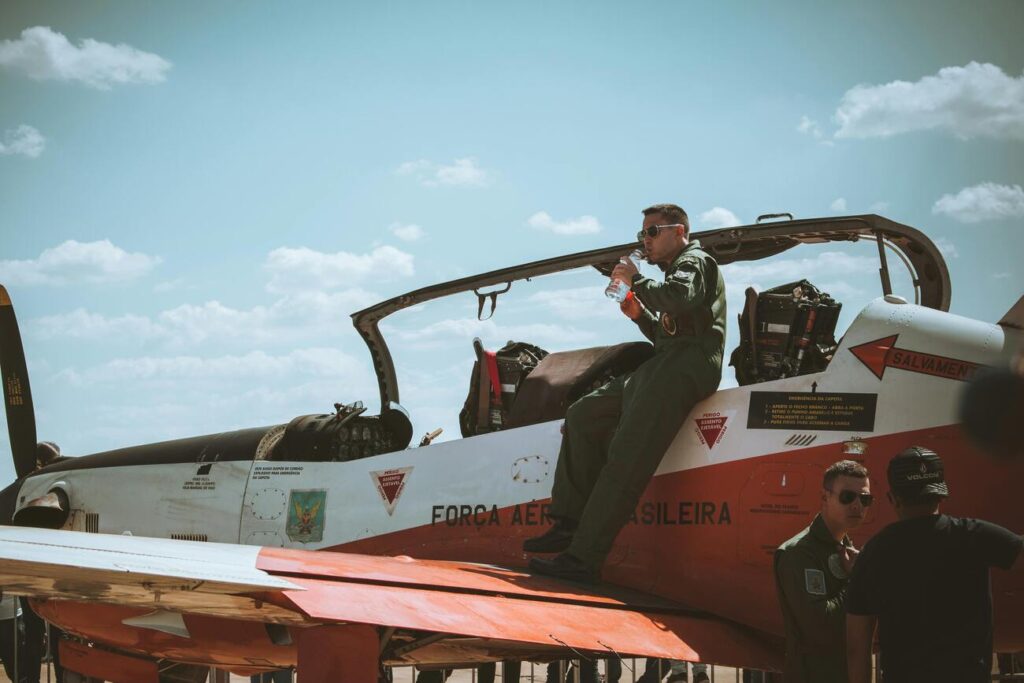
World War II changed everything. Tens of thousands of pilots were trained under pressure, and the methods that emerged — standardized syllabi, dual-control trainers, formal ground school — became the blueprint for postwar commercial aviation training. Many of those pilots transitioned from fighter jet models like the P-51 and F4U Corsair directly into the cockpits of early airliners. The discipline, instrument scan, and systems thinking demanded by high-performance military aircraft translated directly into commercial operations.
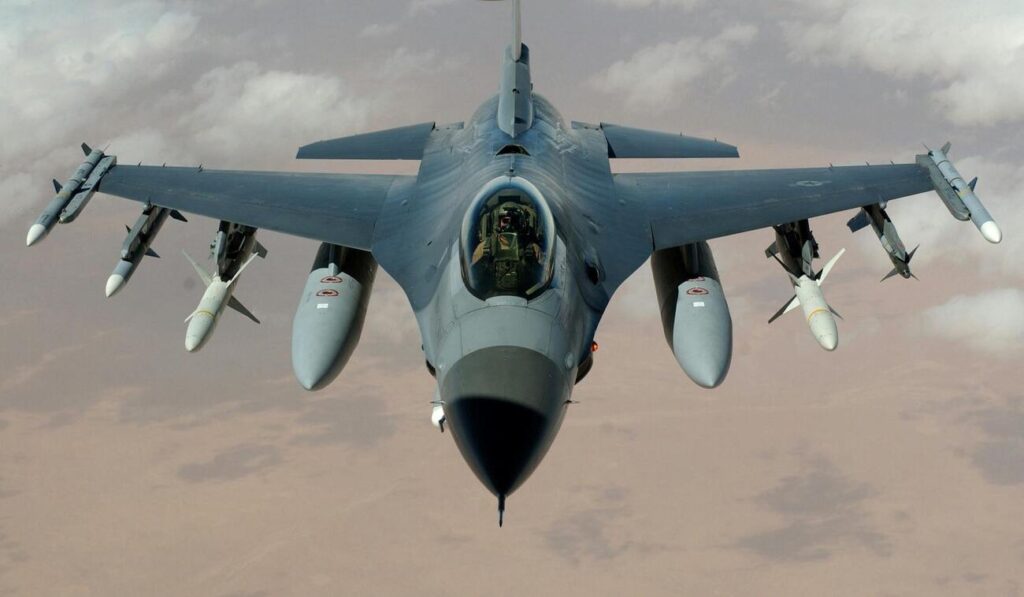
By the 1960s and 70s, jet transport training had become a serious science. Type ratings, simulator requirements, and crew resource management concepts started taking shape. The industry wasn’t just training stick-and-rudder pilots anymore — it was building systems operators.
The Evolution of Commercial Pilot Training Over the Decades — The Simulator Revolution
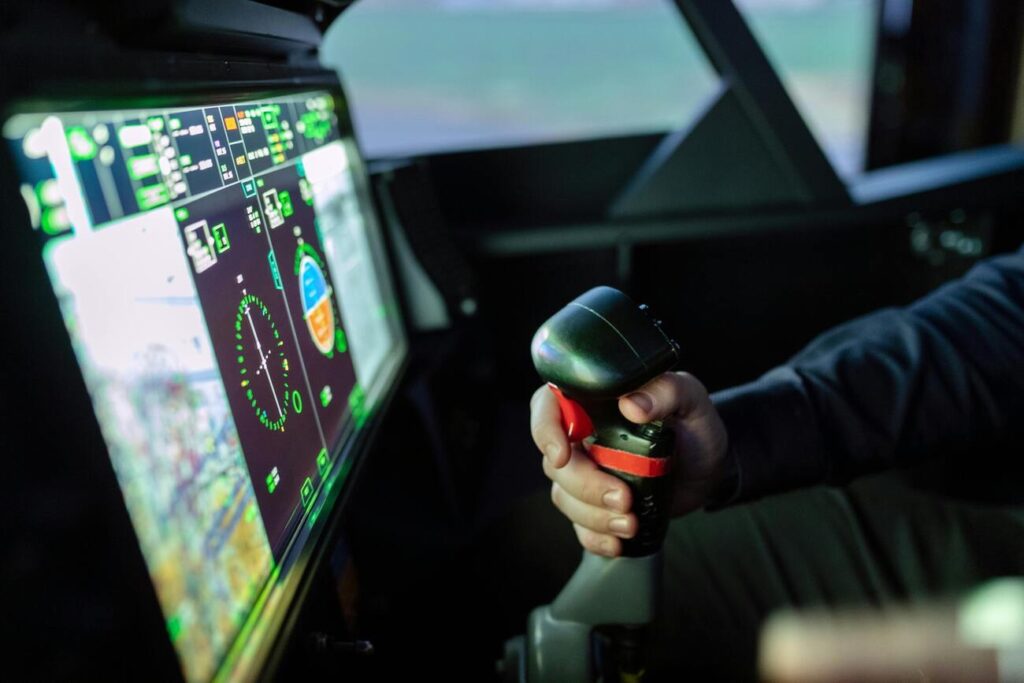
Nothing reshaped commercial pilot training more than the full-flight simulator. Level D sims — the highest fidelity available — replicate everything from a hydraulic failure on a B737 to a windshear escape maneuver in an A320, all without leaving the ground. Under Part 61 and Part 121, qualified simulators now satisfy significant portions of flight training requirements, including instrument currency and type rating checkrides.
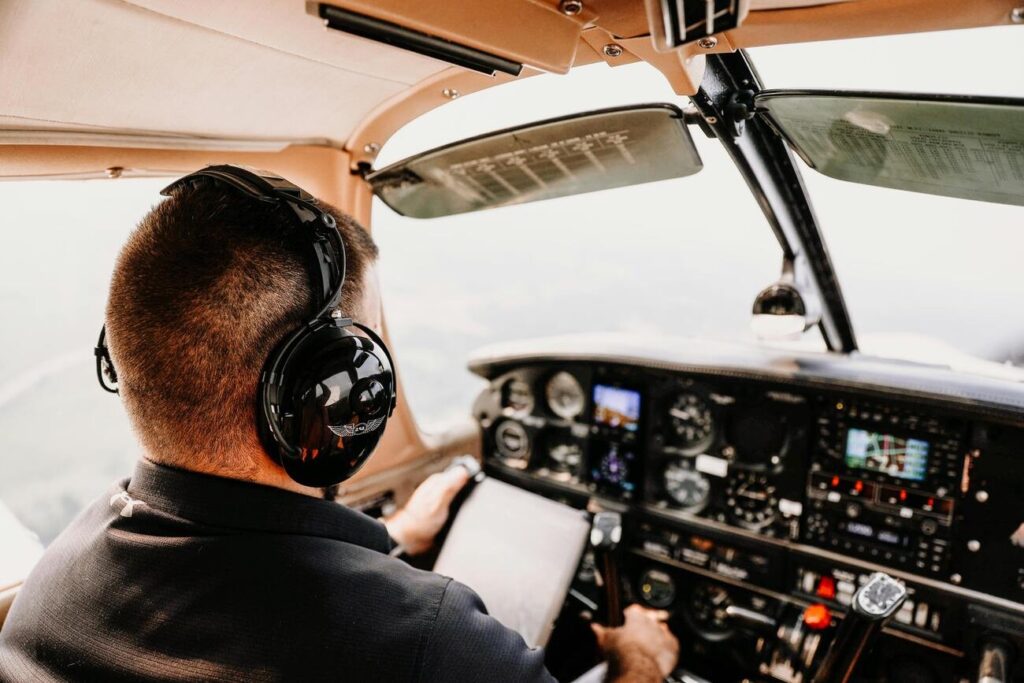
The Gulfstream Aerospace G200, a twin-engine business jet with demanding handling characteristics, became a benchmark aircraft in advanced jet training programs. Its performance envelope pushed pilots to develop precise energy management and automation discipline — skills now central to any modern ATP curriculum.
What Modern Training Looks Like for Today’s Pilots
Today’s commercial pilot training is increasingly personalized airplane-specific from day one. Cadets enter structured MPL (Multi-crew Pilot Licence) programs tailored to specific fleet types. Adaptive learning platforms track individual performance data across sim sessions and adjust scenario difficulty in real time. It’s a far cry from a clipboard and a Cessna 150.
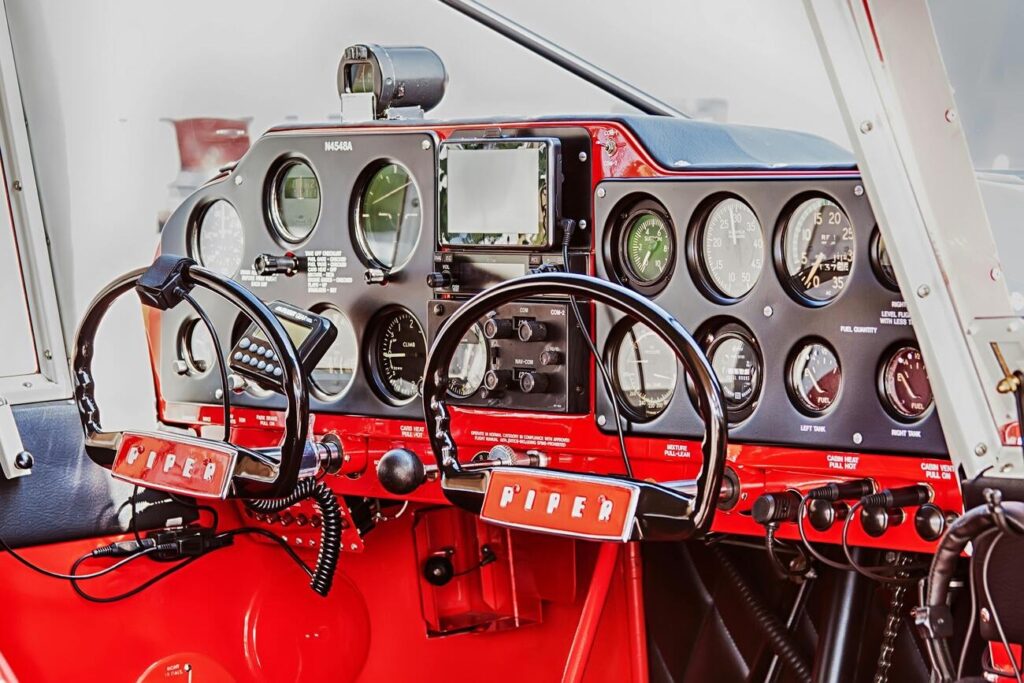
The FAA’s Aviation Rulemaking Advisory Committee continues refining training standards, and evidence-based training (EBT) is replacing one-size-fits-all recurrency checks across major carriers globally. The goal isn’t just competency — it’s consistency at scale, across thousands of crews, in every conceivable condition.
Frequently Asked Questions
Q: How has commercial pilot training changed over the decades? A: Training evolved from informal, experience-based instruction in the early aviation era to highly structured, simulator-heavy programs governed by FAA regulations like Part 61 and Part 121, with a growing emphasis on crew resource management and data-driven performance tracking.
Q: How long does it take to become a commercial pilot today compared to the past? A: Modern structured pathways — including university aviation programs and airline cadet schemes — typically take 18 months to 4 years. Early commercial pilots often transitioned from military service with far fewer formal hours but significantly more raw flying time.
Q: What role do flight simulators play in commercial pilot training today? A: Level D full-flight simulators are now central to type rating training and recurrency checks under FAA regulations, allowing pilots to practice emergency procedures and adverse conditions safely, with many simulator hours counting directly toward certification requirements.
The cockpit has changed beyond recognition since the days of fabric and wire — but the core demand remains identical: judgment under pressure, every single flight.

