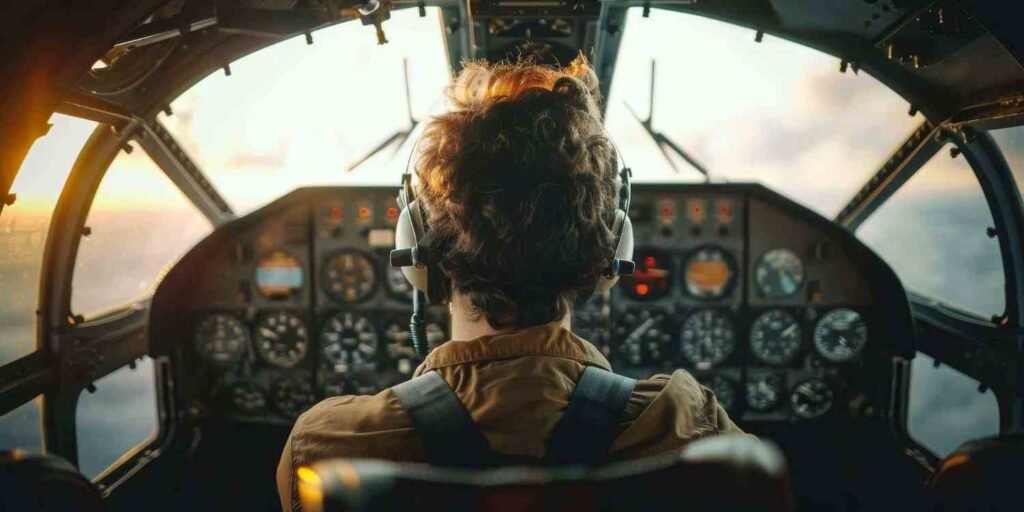
Stepping into an aircraft autopilot cockpit today feels worlds apart from the cramped, dial-heavy cabins of decades past. Rows of glowing screens, integrated flight management systems, and touch-sensitive controls have replaced the mechanical gauges pilots once relied on. This transformation didn’t happen overnight; it evolved through decades of aviation research aimed at reducing pilot workload while increasing precision. Every screen, switch, and indicator in a contemporary cockpit exists to support the flight crew in managing complex tasks without becoming overwhelmed. Automation now handles much of the repetitive work, allowing pilots to focus on decision-making, monitoring, and responding to unexpected situations. Understanding how this space functions reveals not just clever engineering but also a philosophy about how humans and machines should collaborate at thirty thousand feet.
The Core Purpose of Autopilot Technology
Autopilot systems were never designed to replace pilots entirely. Instead, they exist to manage routine flight tasks so human operators can dedicate attention to strategic thinking. In an aircraft autopilot cockpit, the system typically controls altitude, heading, and speed once activated, following parameters the crew sets manually. This frees pilots from constantly adjusting controls during long cruise segments, reducing fatigue on lengthy journeys. Beyond convenience, autopilot also improves fuel efficiency by maintaining smoother, more consistent flight paths than manual control often achieves. Airlines and manufacturers continue refining these systems because even small improvements in stability translate into significant savings across thousands of flights. Ultimately, the goal remains balance: automation manages precision tasks while human judgment oversees safety, unexpected weather, and situational awareness that machines still cannot fully replicate.
Key Components Found in the Cockpit
A well-designed aircraft autopilot cockpit integrates several interconnected systems working together seamlessly. These components don’t operate in isolation; they constantly exchange data to keep the aircraft stable and on course.
- Flight Management System (FMS) for route planning and navigation input
- Primary Flight Display (PFD) showing altitude, speed, and attitude
- Navigation Display (ND) presenting weather, terrain, and flight path
- Autothrottle system managing engine power automatically
- Mode Control Panel (MCP) where pilots input altitude, speed, and heading commands
Each of these tools contributes to a layered safety net. If one system flags an inconsistency, others cross-check the data before anything reaches the pilot’s attention. This redundancy is intentional, built to catch errors before they escalate into real problems during flight operations.
How Pilots Interact With Automated Systems
Despite heavy automation, pilots remain deeply involved throughout every flight phase. In an aircraft autopilot cockpit, crew members actively input commands, monitor system responses, and adjust settings as conditions change. Takeoff and landing, for instance, still require significant manual involvement even when automated landing systems exist. Pilots also intervene when air traffic control requests altitude changes or reroutes due to weather disturbances. The interaction isn’t passive; it demands continuous cognitive engagement, cross-checking instruments against expectations, and staying prepared to disengage automation instantly if something appears abnormal. Training programs emphasize this active supervisory role because complacency around automated systems has historically contributed to aviation incidents. Modern flight training now dedicates substantial hours specifically to scenarios where automation fails or behaves unexpectedly, ensuring pilots retain sharp manual flying skills alongside their automation management abilities.
Safety Benefits of Cockpit Automation
Automation has measurably improved aviation safety records over recent decades. An aircraft autopilot cockpit reduces the likelihood of human error during repetitive, high-precision tasks like maintaining altitude or following a specific heading for extended periods. Fatigue, a significant contributor to past aviation accidents, becomes less dangerous when automated systems handle routine workload during long-haul flights. Additionally, automated systems can process sensor data far faster than human reaction times allow, catching subtle deviations before they become serious. Weather radar integration, terrain awareness warnings, and traffic collision avoidance systems all work alongside autopilot to create multiple layers of protection. However, safety experts caution that automation isn’t infallible. Sensor malfunctions, software glitches, or unusual atmospheric conditions can still challenge these systems, which is precisely why trained human oversight remains a non-negotiable component of safe flight operations.
Challenges and Limitations Pilots Must Navigate
No system is perfect, and automation brings its own set of challenges that flight crews must understand thoroughly. Within an aircraft autopilot cockpit, over-reliance on automated systems can gradually erode manual flying proficiency if pilots aren’t careful. Some aviation researchers refer to this phenomenon as automation dependency, where skills atrophy from lack of regular practice. Another challenge involves mode confusion, where pilots misunderstand which automated mode is currently active, leading to unexpected aircraft behavior. Severe weather, icing conditions, or unusual attitudes can also push automated systems beyond their operational limits, requiring immediate manual takeover. Airlines address these risks through recurrent training, simulator sessions, and strict procedures mandating manual flying practice during certain flight segments. Recognizing these limitations isn’t a criticism of automation itself but rather an acknowledgment that technology and human skill must remain balanced partners rather than one replacing the other entirely.
Comparing Traditional and Modern Cockpit Systems
The shift from analog to digital cockpits illustrates just how far aviation technology has progressed. The table below highlights key differences between older mechanical systems and today’s advanced setups.
| Feature | Traditional Cockpit | Modern Automated Cockpit |
|---|---|---|
| Instrumentation | Mechanical gauges and dials | Digital glass displays |
| Navigation | Manual calculations, radio beacons | GPS-integrated flight management systems |
| Workload | High manual monitoring required | Reduced through automated systems |
| Data Display | Separate individual instruments | Consolidated, integrated screens |
| Error Detection | Primarily pilot-dependent | Cross-checked by multiple automated systems |
| Fuel Efficiency | Less optimized flight paths | Precision-controlled, fuel-saving routes |
This comparison shows why modern aviation has embraced automation so enthusiastically. The improvements aren’t merely cosmetic upgrades; they represent fundamental changes in how safely and efficiently aircraft operate across global airspace networks every single day.
Training Requirements for Automated Cockpits
Operating an aircraft autopilot cockpit competently demands rigorous, ongoing education that extends well beyond initial certification. New pilots spend considerable time in flight simulators learning how automated systems respond under various conditions, including emergencies and system failures. Recurrent training, typically conducted every six months to a year depending on regulations, ensures pilots stay current with evolving technology and procedures. Airlines also emphasize crew resource management, teaching pilots to communicate effectively when automation behaves unexpectedly or when transitioning between manual and automated control. This training philosophy recognizes that technical knowledge alone isn’t sufficient; pilots must develop instinctive judgment about when automation should be trusted and when it should be overridden. Regulatory bodies worldwide continue updating training standards as aircraft systems grow more sophisticated, ensuring that human expertise keeps pace with technological advancement rather than falling behind it.
The Future of Cockpit Automation
Looking ahead, the aircraft autopilot cockpit will likely continue evolving toward greater intelligence and predictive capability. Artificial intelligence integration is already being explored for anticipating maintenance issues, optimizing routes in real-time based on weather patterns, and enhancing decision-support tools for pilots. Some manufacturers are researching reduced-crew operations, where advanced automation could eventually allow single-pilot commercial flights under specific conditions, though this remains controversial and heavily debated within aviation circles. Enhanced vision systems, combining infrared and synthetic imagery, promise to improve situational awareness during poor visibility landings. Despite these advances, most industry experts agree that fully autonomous passenger aircraft remain a distant prospect, given the complexity of unpredictable scenarios pilots must handle. The future likely holds deeper collaboration between human expertise and machine intelligence rather than complete replacement of one by the other.
Why This Balance Matters for Everyone
Passengers boarding flights daily rarely consider the intricate systems working behind the cockpit door, yet this balance directly affects their safety and comfort. An aircraft autopilot cockpit represents decades of accumulated engineering wisdom, regulatory oversight, and hard-earned lessons from aviation history. Every automated feature exists because someone identified a problem automation could solve better than manual methods alone. At the same time, every safeguard requiring pilot involvement exists because history demonstrated where pure automation falls short.
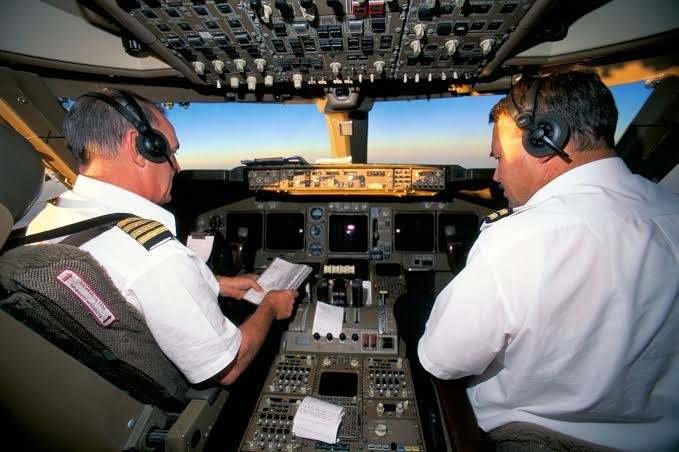
This ongoing dialogue between technology and human skill isn’t a temporary phase; it’s likely the permanent structure of commercial aviation moving forward. Understanding this relationship helps travelers appreciate why modern flying remains remarkably safe despite handling millions of passengers across complex global routes each single year.
Final Thoughts
The evolution of the aircraft autopilot cockpit reflects aviation’s broader commitment to combining human judgment with technological precision. Rather than viewing automation as a replacement for skilled pilots, the industry has built a partnership model where each strength compensates for the other’s limitations. Automated systems handle repetitive calculations and monitoring with tireless accuracy, while pilots contribute adaptability, critical thinking, and situational judgment that no algorithm currently replicates. This collaboration has produced one of the safest transportation systems in human history, carrying billions of passengers safely each year. As technology continues advancing, the fundamental principle will likely remain unchanged: automation supports human decision-making rather than eliminating it entirely. For anyone curious about modern aviation, appreciating this delicate balance offers genuine insight into why flying today feels both remarkably routine and quietly extraordinary at once.