Aviation has always been a field where innovation determines survival. Every decade brings a new leap forward, and today that leap centers on cockpit automation technology. What once required constant manual input from pilots now happens through intelligent systems that monitor, calculate, and even correct in real time. This shift is not about replacing pilots but about reshaping how they interact with aircraft, turning cockpits into collaborative spaces between human judgment and machine precision.
What Cockpit Automation Technology Actually Means
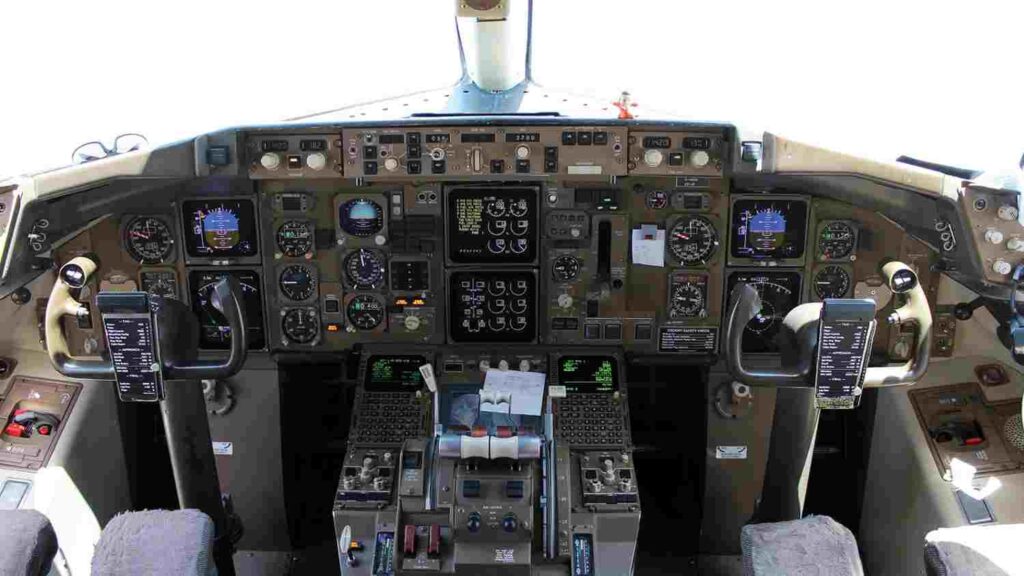
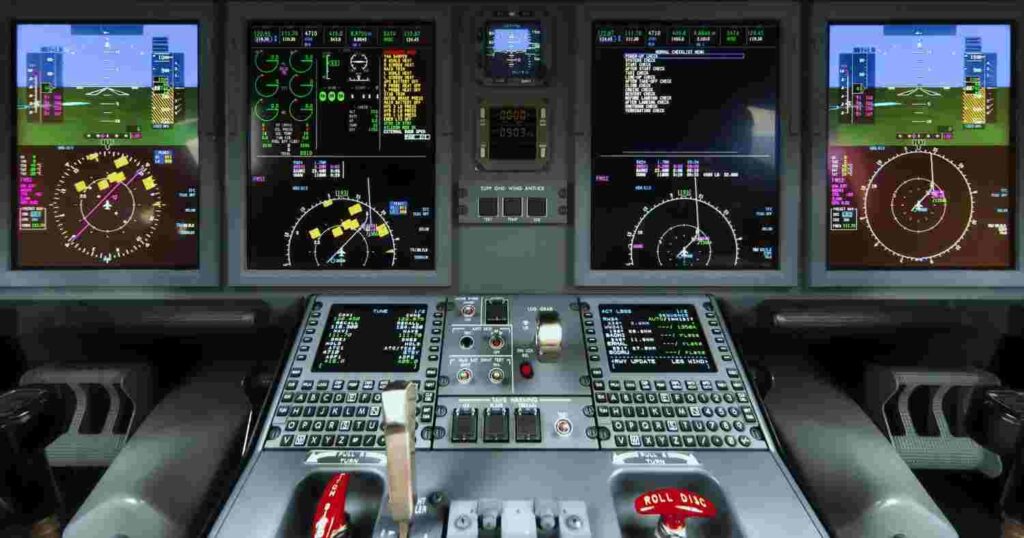
At its core, cockpit automation technology refers to the electronic and computerized systems that handle tasks traditionally performed manually by flight crews. This includes autopilot systems, flight management computers, autothrottle mechanisms, and digital displays that consolidate dozens of gauges into a few intuitive screens. Rather than pilots juggling altimeters, compasses, and fuel gauges separately, automated systems now synthesize this data into a single glance-friendly interface.
The goal is to reduce cognitive overload during high-stress phases of flight, such as takeoff, turbulence, or landing in poor visibility. By automating repetitive calculations and routine adjustments, pilots can devote more attention to decision-making and situational awareness, which remain uniquely human strengths that no algorithm has fully replicated.
The Evolution From Mechanical Dials to Digital Intelligence
Cockpits in the mid-20th century were dense with analog instruments, each requiring manual interpretation. Pilots relied heavily on memory, training, and physical dexterity to manage dozens of simultaneous readings. The introduction of glass cockpits in the 1980s marked a turning point, replacing clusters of dials with digital screens capable of displaying integrated flight data.
Since then, cockpit automation technology has advanced through several generations, each adding layers of computational support. Fly-by-wire systems eliminated many mechanical linkages between controls and control surfaces, replacing them with electronic signals processed by onboard computers. This transition improved responsiveness and allowed for built-in safety limits that prevent pilots from unintentionally pushing aircraft beyond structural tolerances.
Core Components Driving Modern Automated Cockpits
Several interconnected systems form the backbone of today’s automated flight decks. Understanding these components clarifies why automation has become indispensable rather than optional in commercial and military aviation.
- Flight Management Systems (FMS): Calculate optimal routes, fuel consumption, and speed profiles automatically.
- Autopilot and Autothrottle: Maintain altitude, heading, and speed without constant manual adjustment.
- Electronic Flight Bags (EFB): Digitize charts, manuals, and performance data previously carried as paper documents.
- Traffic Collision Avoidance Systems (TCAS): Detect nearby aircraft and recommend evasive maneuvers.
- Enhanced Ground Proximity Warning Systems (EGPWS): Alert crews to terrain hazards well before visual contact is possible.
Together, these systems demonstrate how cockpit automation technology functions less as a single tool and more as an ecosystem of interdependent safeguards.
Why Airlines and Manufacturers Are Investing Heavily
The financial and safety incentives behind automation are substantial. Airlines operate on razor-thin margins, and any technology that reduces fuel burn, minimizes delays, or lowers accident risk translates directly into competitive advantage. Automated flight management systems optimize climb and descent profiles to conserve fuel, sometimes saving thousands of dollars per flight when scaled across a fleet.
Manufacturers, meanwhile, face regulatory pressure to demonstrate continuous safety improvements. Aviation authorities increasingly expect new aircraft designs to incorporate redundant automated systems that can compensate for human error, mechanical failure, or unexpected environmental conditions. This regulatory environment has made automation not just desirable but essentially mandatory for certification of new commercial aircraft.
Beyond safety and cost, automation also supports standardization. When pilots transitioning between aircraft models encounter similar automated interfaces, training time shortens and consistency improves across airline fleets, which matters enormously for global carriers operating diverse aircraft types simultaneously.
The Human Factor: Pilots in an Automated Age
A persistent debate surrounds how much automation is appropriate before it erodes essential piloting skills. Critics argue that heavy reliance on automated systems can lead to complacency, reducing a pilot’s readiness to intervene manually when systems fail or behave unexpectedly. Several high-profile incidents over the past two decades have reignited discussions about “automation dependency” and the erosion of manual flying proficiency.
In response, training programs have evolved to emphasize scenario-based exercises where automation is deliberately disabled or degraded, forcing pilots to practice manual control under simulated stress. This approach recognizes that cockpit automation technology should enhance human capability rather than substitute for it entirely. The most effective systems are designed with clear handoff protocols, ensuring pilots remain aware of what the automation is doing and why, rather than treating it as an opaque black box.
Table: Comparison of Traditional Versus Automated Cockpit Functions
| Function | Traditional Cockpit Approach | Automated Cockpit Approach |
|---|---|---|
| Navigation | Manual chart reading and calculations | Integrated GPS and flight management computer |
| Altitude Control | Constant manual throttle and yoke input | Autopilot maintains altitude automatically |
| Weather Monitoring | Visual observation and radio updates | Real-time radar overlays and predictive alerts |
| Collision Avoidance | Visual scanning and air traffic control | Automated proximity alerts and maneuver guidance |
| Workload Distribution | Heavy reliance on individual pilot memory | Shared responsibility between crew and systems |
Emerging Trends Shaping the Next Generation
Looking ahead, cockpit automation technology is moving toward even greater integration with artificial intelligence and predictive analytics. Machine learning models are being tested to anticipate mechanical issues before they manifest, using sensor data patterns to flag maintenance needs proactively. Some manufacturers are experimenting with voice-activated controls that allow pilots to issue commands verbally, reducing the need for manual button sequences during critical phases of flight.
Single-pilot operations for cargo and smaller commercial aircraft are also under active development, relying heavily on advanced automation to compensate for reduced crew presence. While full implementation remains years away due to regulatory and public trust hurdles, the underlying technology is advancing steadily. Augmented reality displays projected onto pilot visors represent another frontier, overlaying flight data directly onto the pilot’s field of view rather than requiring glances at separate screens.
These developments suggest that automation will continue expanding its role, though always within frameworks designed to keep human oversight central to final decision-making authority.
Challenges That Still Require Careful Navigation
Despite its benefits, cockpit automation technology introduces its own set of challenges that engineers and regulators must continuously address. Software reliability becomes paramount when systems control critical flight functions, meaning even minor coding errors can have outsized consequences. Cybersecurity has also emerged as a growing concern, since increasingly networked cockpit systems present potential vulnerabilities that did not exist in purely mechanical aircraft.
Additionally, the cost of retrofitting older aircraft with modern automated systems can be prohibitive for smaller airlines, creating disparities in safety standards across the global aviation industry. Regulatory bodies must balance encouraging innovation with ensuring that automation does not outpace the infrastructure, training, and oversight needed to support it safely. These challenges do not diminish the value of automation but highlight that its implementation requires ongoing vigilance rather than one-time installation.
Training and Certification in an Automated Environment
As automated systems grow more sophisticated, pilot training curricula must evolve in parallel. Simulator-based instruction now places heavy emphasis on understanding automation logic, not just operating buttons and switches. Pilots must grasp why a system behaves a certain way under specific conditions, enabling them to predict its responses rather than merely react to them.
Certification authorities have responded by mandating recurrent training that specifically addresses automation management, including scenarios where systems provide conflicting or ambiguous information. This ensures that as cockpit automation technology becomes more capable, the humans overseeing it remain equally capable of understanding, questioning, and if necessary, overriding automated recommendations when circumstances demand it.
Conclusion
Cockpit automation technology has fundamentally transformed how aircraft are flown, monitored, and maintained, shifting the pilot’s role from constant manual operator to informed supervisor of intelligent systems. From fuel savings and route optimization to collision avoidance and predictive maintenance, automation has delivered measurable improvements in both safety and efficiency across commercial and military aviation alike.
Yet the story is not simply one of machines taking over. The most successful implementations of cockpit automation technology preserve a meaningful partnership between human judgment and computational precision, ensuring pilots remain engaged, informed, and ready to act when automation reaches its limits. As artificial intelligence, predictive analytics, and augmented reality continue advancing, the cockpits of tomorrow will likely look even less like the dial-heavy panels of the past and more like collaborative command centers. The challenge for engineers, regulators, and airlines alike will be ensuring that as these systems grow smarter, the humans flying alongside them grow equally skilled at working with them, not simply relying on them.