
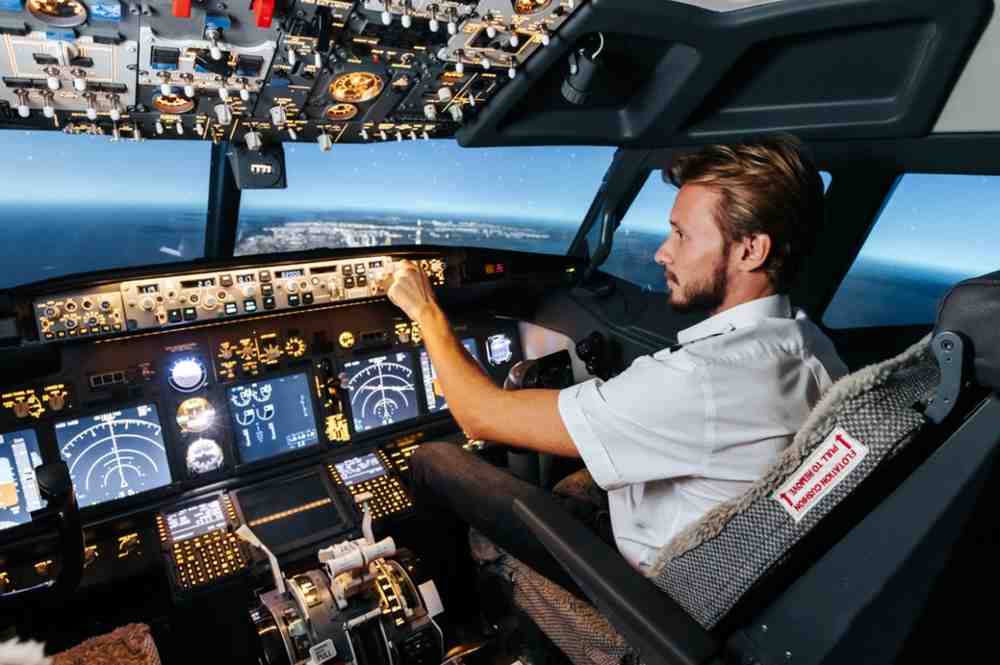
A passenger aircraft pilot carries one of the most demanding and respected responsibilities in the aviation industry. Every day, thousands of flights take off carrying passengers who trust the crew in the cockpit to guide them safely from one destination to another. This trust is built on years of rigorous training, technical expertise, and an unwavering commitment to safety. A passenger aircraft pilot is not simply someone who flies a plane; they are a decision-maker, a leader, and a calm presence during moments of uncertainty. Their job extends far beyond takeoff and landing, encompassing pre-flight planning, in-flight monitoring, weather assessment, and constant communication with air traffic control. The profession demands mental sharpness, physical stamina, and the ability to remain composed under pressure, making it one of the most respected careers within the transportation sector today.
The Journey to Becoming a Passenger Aircraft Pilot
Becoming a passenger aircraft pilot requires a structured educational and training pathway that can take several years to complete. Most aspiring pilots begin with a private pilot license, which introduces them to basic flying principles, navigation, and aircraft handling. From there, they progress to a commercial pilot license, which allows them to be paid for flying services. However, to fly large passenger aircraft, individuals must also earn an Airline Transport Pilot license, the highest level of certification in most countries. This process includes extensive flight hours, simulator training, and written examinations covering meteorology, air law, and aircraft systems. Many candidates also pursue a background in aviation science or engineering to strengthen their theoretical knowledge. The entire journey demands discipline, financial investment, and patience, as becoming a fully qualified passenger aircraft pilot is not something achieved overnight but through consistent dedication over several years.
Essential Skills Every Passenger Aircraft Pilot Must Possess
Technical knowledge alone does not make someone an effective passenger aircraft pilot. A combination of cognitive, physical, and interpersonal skills is equally important. Strong spatial awareness and quick decision-making abilities are essential when responding to changing weather conditions or unexpected technical issues. Communication skills also play a vital role, since pilots must coordinate constantly with co-pilots, cabin crew, and air traffic controllers. Emotional stability is another critical trait, as a passenger aircraft pilot must remain calm even during turbulence, mechanical alerts, or medical emergencies onboard. Additionally, strong mathematical and analytical skills help pilots calculate fuel consumption, altitude adjustments, and flight paths accurately. Physical fitness is equally important, given the long hours and irregular schedules associated with the job. Together, these skills form the foundation of a competent and reliable passenger aircraft pilot capable of handling diverse challenges throughout their career.
Daily Responsibilities Inside the Cockpit
The daily routine of a passenger aircraft pilot begins long before the aircraft leaves the ground. Pilots review flight plans, check weather forecasts, and inspect technical reports to ensure the aircraft is fit for departure. During boarding, they coordinate with ground staff and cabin crew to confirm passenger counts, cargo weight, and fueling details. Once airborne, the pilot and co-pilot share responsibilities, with one handling communication and navigation while the other manages aircraft controls. Throughout the flight, a passenger aircraft pilot continuously monitors instruments, altitude, and airspace conditions, adjusting the course when necessary due to turbulence or air traffic instructions. Landing requires intense focus, as pilots must calculate descent rates, runway conditions, and wind patterns with precision. Even after landing, the job isn’t finished, since pilots must complete post-flight documentation and debrief with the crew, ensuring transparency and accountability for the entire journey.
Challenges Faced by a Passenger Aircraft Pilot
Despite the glamour often associated with flying, the life of a passenger aircraft pilot comes with significant challenges. Irregular working hours, time zone changes, and long-haul flights can affect sleep patterns and overall health. Pilots often spend extended periods away from home, which can strain personal relationships and family life. Additionally, the responsibility of ensuring passenger safety creates constant psychological pressure, especially during adverse weather or technical malfunctions. Fatigue management becomes a critical aspect of the profession, as tired decision-making can compromise safety. Regulatory bodies enforce strict rest requirements, but the nature of international travel still poses difficulties in maintaining a consistent routine. Furthermore, a passenger aircraft pilot must continuously update their knowledge through recurrent training and simulator assessments to stay compliant with evolving aviation regulations. These challenges highlight why the profession demands not only skill but also resilience and long-term commitment.
Career Growth and Opportunities in Aviation
The career trajectory of a passenger aircraft pilot typically progresses from co-pilot or first officer roles to captain positions after gaining sufficient flying hours and experience. Airlines often value seniority, safety records, and additional certifications when considering promotions. Beyond commercial airlines, pilots may explore opportunities in cargo aviation, private jet services, or even instructor roles at flight training academies. Some experienced pilots transition into aviation management, regulatory bodies, or safety consultancy, using their field expertise to shape industry standards. The demand for skilled pilots continues to grow as global air travel expands, creating long-term career stability for those who enter the profession. Salary structures also improve significantly with experience, with senior passenger aircraft pilot positions offering substantial financial rewards. This growth potential makes the profession attractive not only for its prestige but also for its long-term career sustainability across international aviation markets.
The Importance of Safety Culture in Aviation
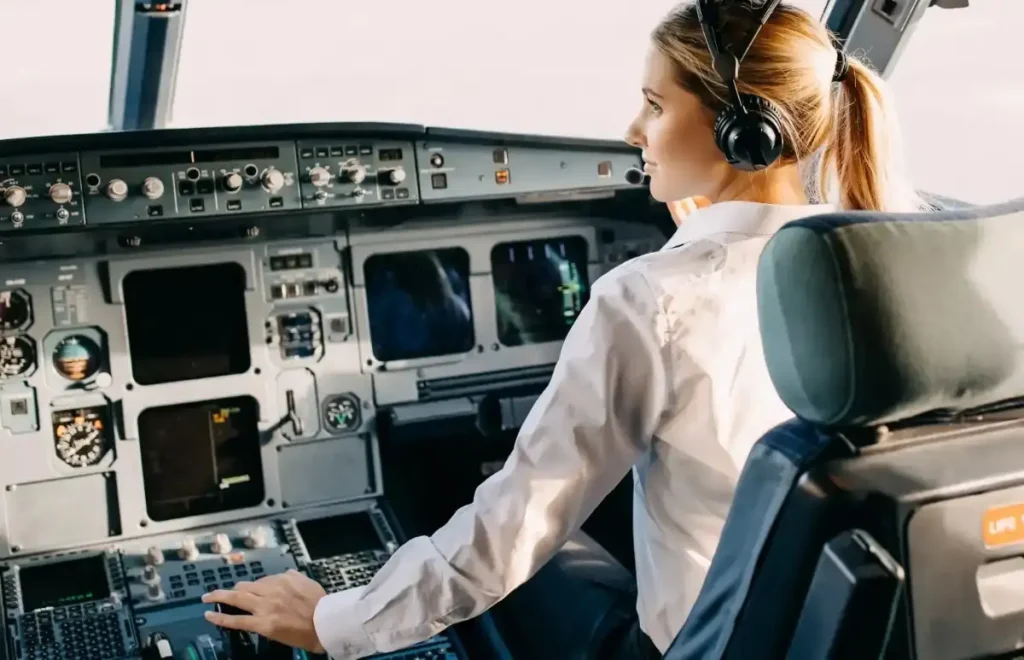
Safety remains the cornerstone of every decision made by a passenger aircraft pilot. Airlines invest heavily in training programs, simulator sessions, and safety audits to ensure pilots are prepared for any scenario, from minor turbulence to major system failures. A strong safety culture encourages pilots to report even minor irregularities without fear of punishment, fostering transparency across the aviation ecosystem. Regulatory authorities conduct regular inspections and mandate strict adherence to maintenance schedules, ensuring aircraft remain airworthy. Pilots themselves undergo psychological evaluations and health checks to confirm their fitness for duty. This layered approach to safety significantly reduces risks, making commercial aviation one of the safest modes of transportation worldwide. For a passenger aircraft pilot, safety is not just a professional obligation but a personal responsibility that shapes every action taken before, during, and after a flight, reinforcing public confidence in air travel.
Technology’s Growing Role in the Cockpit
Modern aviation technology has transformed the responsibilities of a passenger aircraft pilot in significant ways. Advanced autopilot systems, real-time weather tracking, and satellite navigation tools have improved flight accuracy and safety. While automation handles many routine tasks, pilots remain essential for critical decision-making, especially during emergencies or unexpected situations where human judgment cannot be replaced by machines. Modern cockpits are equipped with digital displays that provide real-time data on fuel levels, engine performance, and navigation routes, allowing pilots to make informed decisions quickly. Communication systems have also evolved, enabling seamless coordination with air traffic control across different regions. However, this increased reliance on technology also requires pilots to continuously update their technical skills through training programs. Balancing automation with manual proficiency remains a key focus in pilot training, ensuring that a passenger aircraft pilot can take full control whenever automated systems fail or require human intervention.
Conclusion
The role of a passenger aircraft pilot represents a unique blend of technical expertise, leadership, and unwavering responsibility. From years of rigorous training to daily operational challenges, this profession demands individuals who can remain composed under pressure while making split-second decisions that affect the lives of hundreds of passengers. As aviation technology continues to evolve, the fundamental importance of human judgment and experience remains irreplaceable in the cockpit. For those willing to commit to the extensive training, irregular schedules, and continuous learning required, a career as a passenger aircraft pilot offers not only financial stability but also a deep sense of purpose and achievement. The profession will continue to attract passionate individuals who see beyond the challenges and recognize the privilege of safely connecting people and places across the globe, one flight at a time, through skill, discipline, and dedication to excellence in every journey undertaken.

