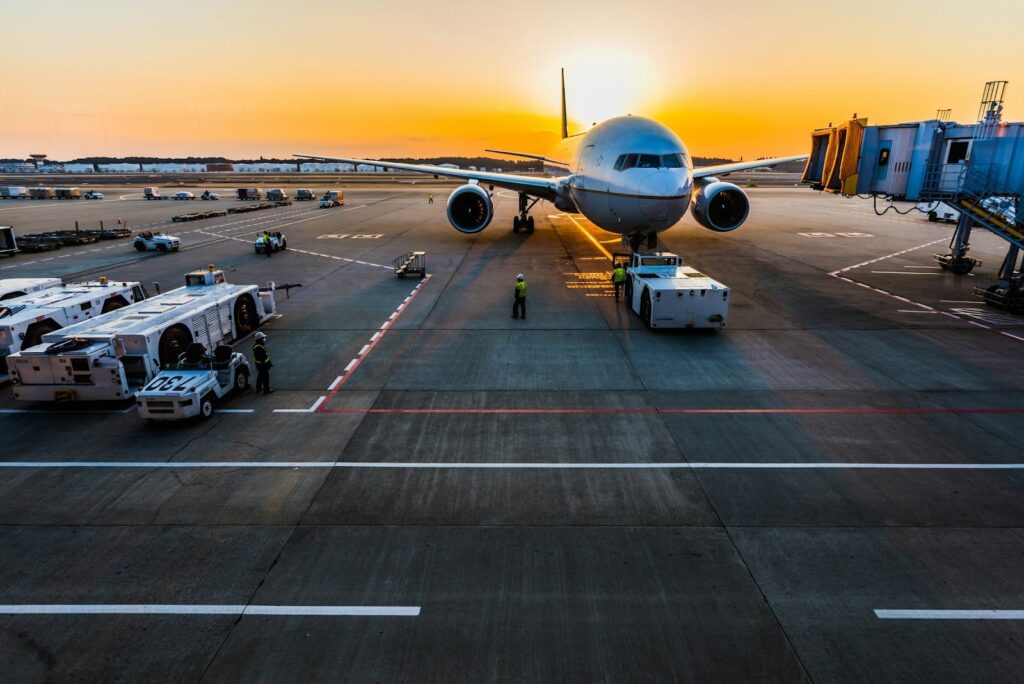
Walk onto any small airfield on a quiet morning and you’ll see it immediately. Among the glass-cockpit trainers and modern composites, there’s usually something older parked off to the side. Faded paint. Rivets you can actually see. Maybe a fabric wing. And if you ask the pilots which airplane they’d choose if given the option, many will point to the older one without hesitation. That preference isn’t nostalgia. It’s experience.
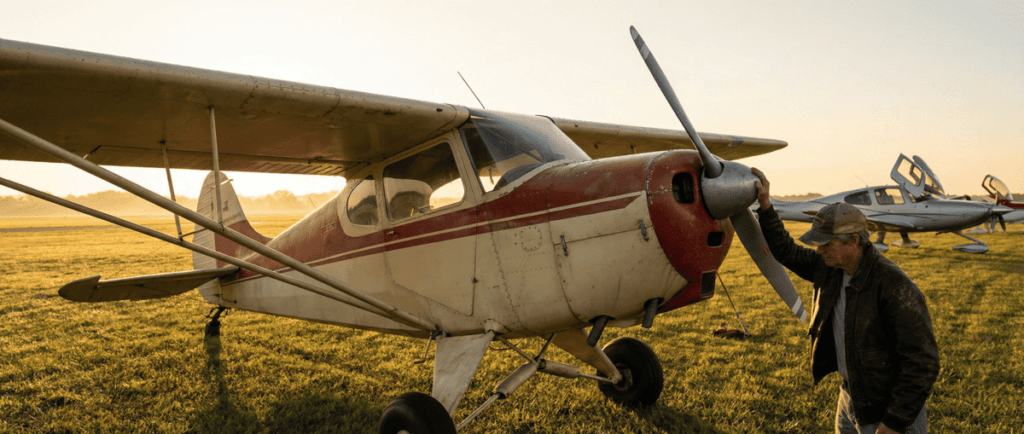
Older aircraft talk back
Modern aircraft are astonishingly capable, but they’re also filtered. Fly-by-wire systems smooth out inputs. Stability systems quietly correct mistakes. Digital avionics manage workloads so efficiently that flying can start to feel like supervising software. Older aircraft don’t do that.
When you fly a classic Cessna, Piper, or warbird, the airplane talks to you constantly. You feel pressure changes through the yoke. You sense airflow through vibration. You hear the engine change tone before gauges ever move. Flying becomes physical again. Pilots don’t just control these airplanes. They listen to them.
There’s no hiding behind automation

In an older aircraft, mistakes are honest. If you’re sloppy on the rudder, you feel it. If your airspeed control drifts, the airplane lets you know immediately. There’s no system quietly stepping in to save you without your awareness.
That’s not a disadvantage. It’s the appeal.
Many pilots say flying older aircraft sharpens skills they didn’t even realize had dulled. Stick-and-rudder discipline. Energy management. Situational awareness. You’re not managing modes. You’re flying. That direct relationship builds confidence in a way automation never quite replaces.
Mechanical simplicity builds trust
Older aircraft are simpler by design. Fewer computers. Fewer layers. Systems you can understand by looking at them.
When something goes wrong, it’s often easier to diagnose. When something feels off, pilots can usually tell why. That transparency creates a different kind of trust. Not blind trust in technology, but earned trust in a machine you understand. Many pilots find that reassuring, especially outside structured airline environments.
The aircraft have personalities

No two older airplanes feel exactly the same, even if they rolled off the same production line decades ago. Engine wear, rigging, maintenance history — it all adds character.
One Cub might float forever in ground effect. Another might settle decisively. One Mustang pulls a little left under power. Another feels perfectly neutral. Pilots remember these traits the way you remember a person’s habits. That personality is largely absent in modern fleets built for uniformity and predictability. Efficient, yes. Memorable, less so.
Flying used to be an experience, not a process
Modern aviation emphasizes procedure, which is necessary and effective. But older aircraft remind pilots why they fell in love with flying in the first place.
You plan more carefully.
You fly more deliberately.
You feel more connected to the sky.
Even routine flights feel intentional. Not because they’re harder, but because they require presence. That sense of involvement is addictive.
Why this love never really fades
Pilots who fly older aircraft aren’t rejecting progress. They appreciate modern technology when it matters. But when flying is about joy rather than efficiency, many choose machines that give something back.
That’s also why older aircraft remain so cherished beyond the cockpit. Enthusiasts and collectors gravitate toward them because their design tells a story you can still read. A well-crafted model plane of a vintage aircraft, like North American P51 Mustang isn’t just decorative — it preserves the proportions, simplicity, and intent that made those airplanes so rewarding to fly. An airplane model of a specific aircraft often reflects a personal connection, not just admiration. It’s about keeping that relationship alive.
Old doesn’t mean outdated

Older aircraft aren’t loved because they’re obsolete. They’re loved because they’re honest.
They demand attention.
They reward skill. They remind pilots that flying is something you do, not something that happens around you. That’s why, even as aviation moves forward, pilots keep coming back to machines from the past. Not to escape progress, but to reconnect with the part of flying that made them pilots in the first place.
Because when the engine settles into that familiar rhythm and the wheels lift off the runway, the calendar stops mattering. Only the airplane does.