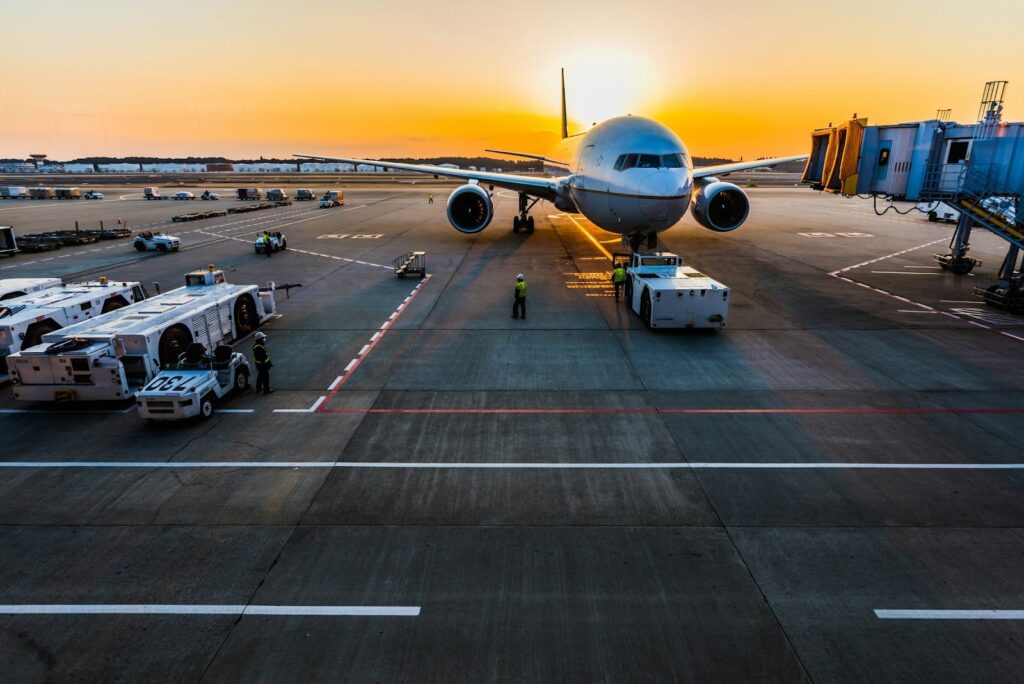
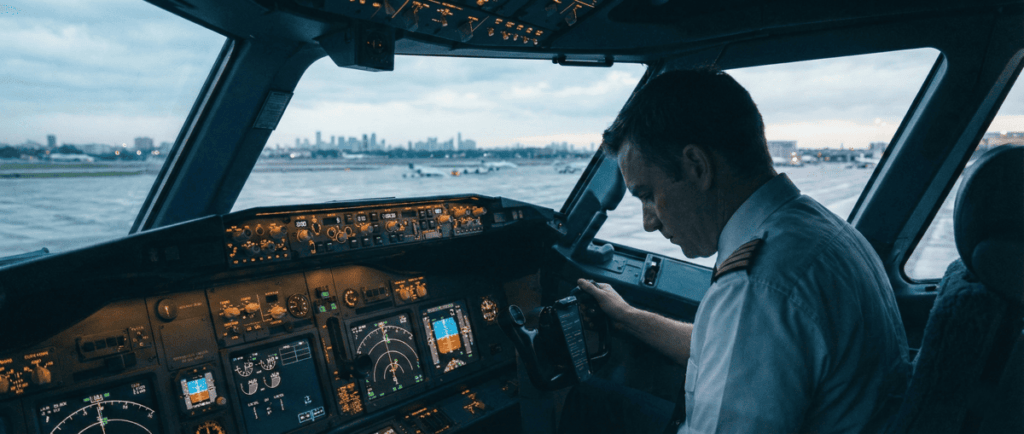
Ask most pilots why they chose this career and you’ll usually hear the same story. A childhood memory of looking up at the sky. A first flight that stuck with them. A fascination that never really faded.
What you don’t hear about as often is the part that comes later — the part that turns a dream job into a demanding long-term lifestyle.
Pilot burnout isn’t a dramatic headline topic inside aviation. It’s quieter than that. But talk to pilots off the record and the conversation comes up quickly.
The schedule never really becomes “normal”
Airline flying doesn’t follow a routine your body understands. One week might start with a 4 a.m. report time. The next might end with a landing just before sunrise after crossing multiple time zones.
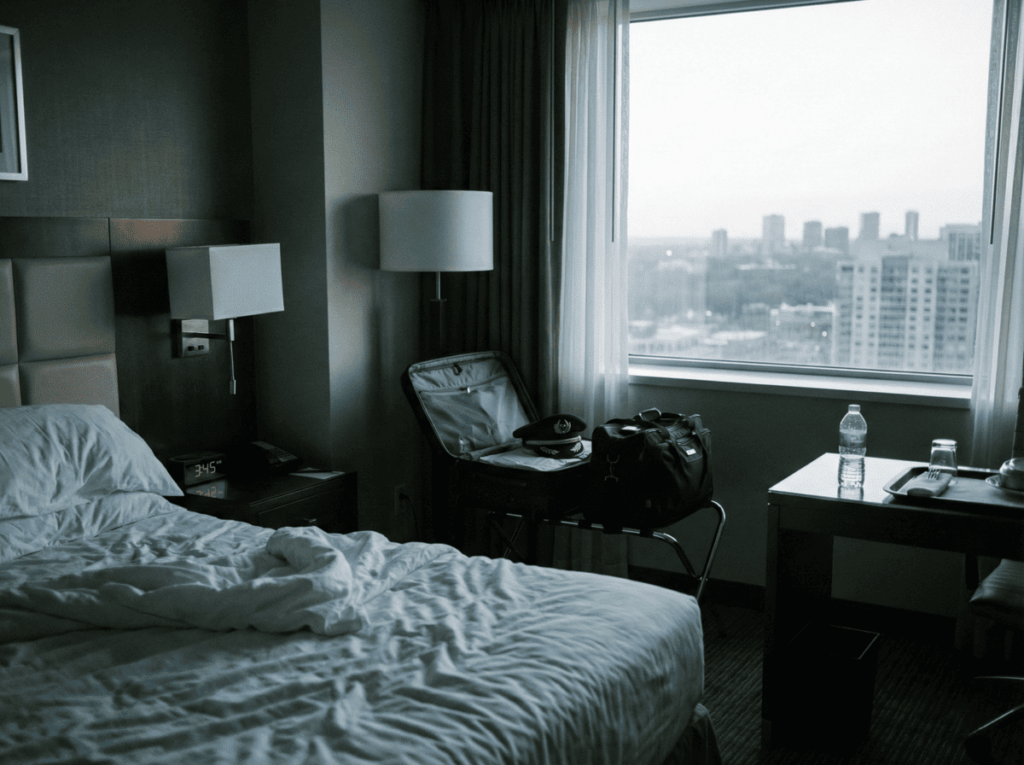
You sleep when the roster says you sleep. You eat when the schedule allows it. Days blur together in hotel rooms that feel identical no matter what country you’re in.
None of this is unsafe. Regulations around duty time are strict and constantly evolving. But long-term fatigue doesn’t always come from breaking rules. Sometimes it comes from living without a predictable rhythm for years.
That wears on people more than passengers realize.
Responsibility doesn’t stay in the cockpit
During cruise, the cabin is quiet. Passengers watch movies or fall asleep. From the outside, it looks calm and routine.
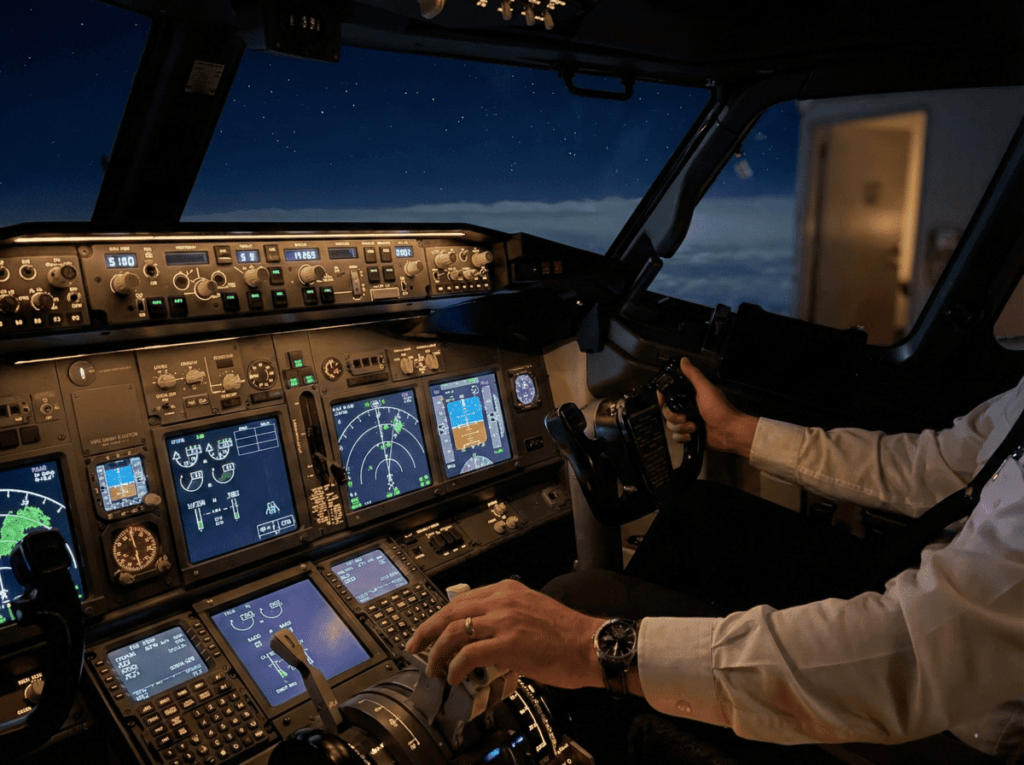
Inside the cockpit, the responsibility never switches off. Weather ahead. Fuel margins. Diversion options. System monitoring. Decision-making never stops, even on the smoothest flight.
It’s not stressful in a dramatic way. It’s steady, constant mental pressure — the kind that builds slowly over time.
Many pilots describe it as a background hum that never fully disappears.
Travel stops feeling like travel
The idea of seeing the world is what pulls many people toward aviation in the first place. And early in a career, it really does feel exciting.
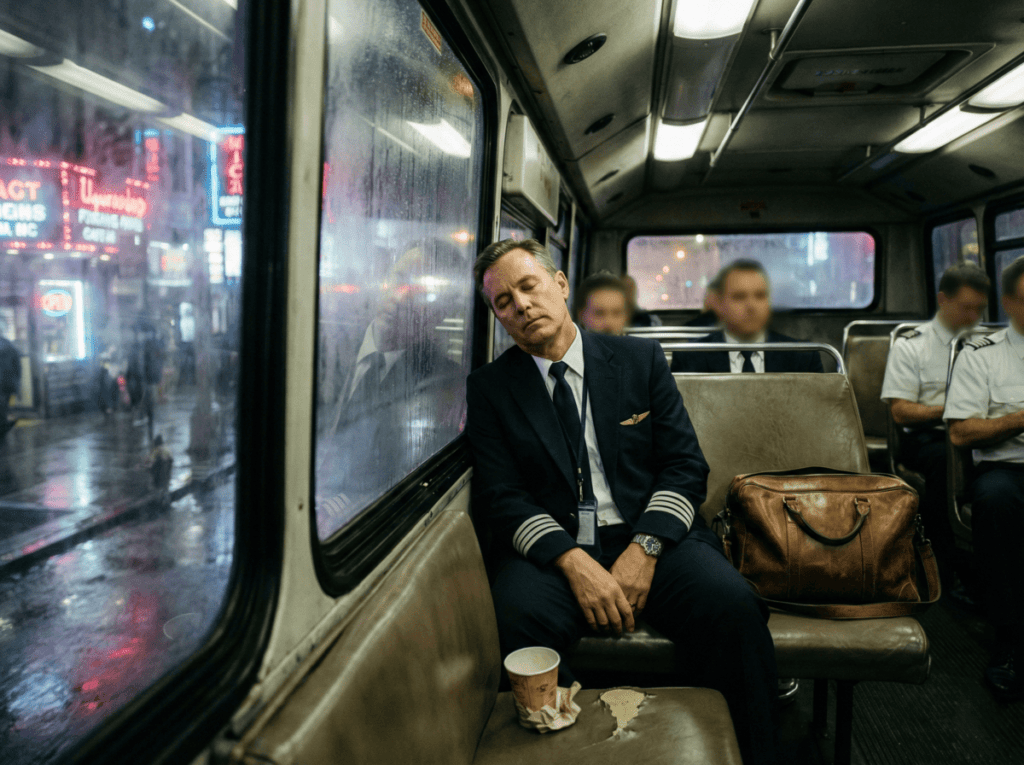
Eventually, the novelty fades. Airports start to feel interchangeable. Layovers become recovery time instead of exploration. Jet lag replaces sightseeing.
You still move across continents regularly. But you experience those places in fragments. A hotel room, a crew bus, a quick walk before sleep.
The romantic version of travel slowly becomes a logistical routine.
Automation changed the job in ways nobody predicted
Modern cockpits are extraordinary. Safer, smarter, more capable than anything that came before them. But the nature of the job has shifted.
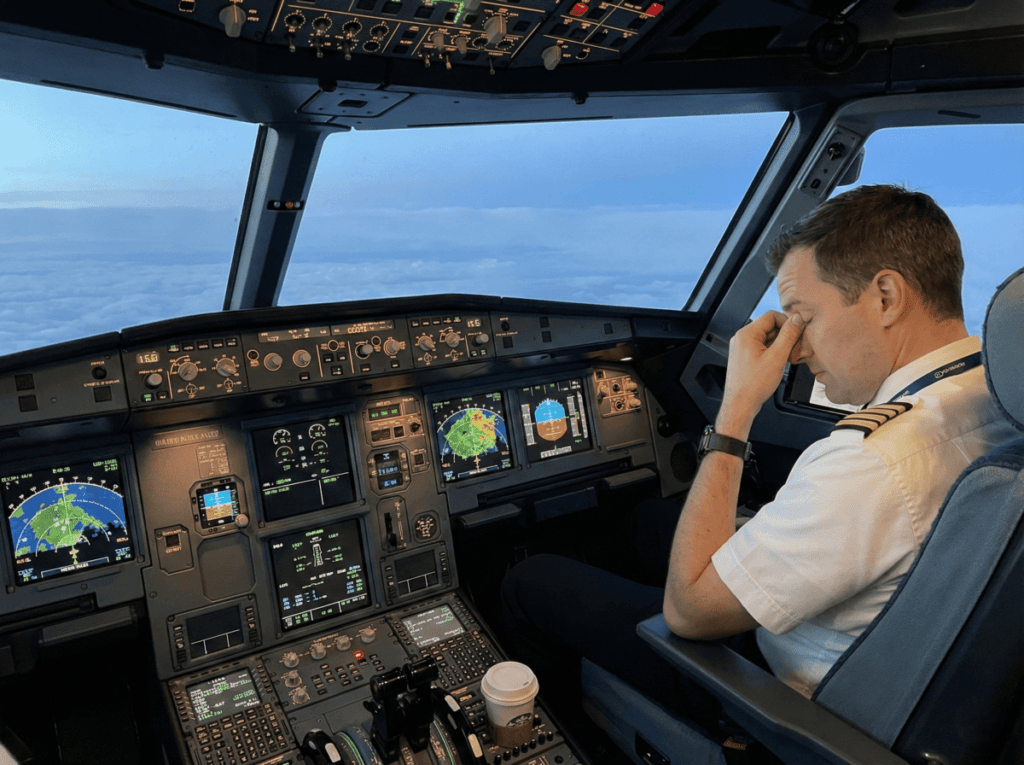
Pilots now spend more time monitoring systems than physically flying. That sounds easier, but sustained monitoring creates a different kind of fatigue. Long periods of routine followed by moments that demand instant decision-making.
Staying mentally sharp during quiet hours is its own challenge.
Time away from home adds a different kind of pressure
Missed birthdays. Missed holidays. Ordinary evenings that never quite align with family schedules. None of this is unique to aviation, but the frequency adds up.
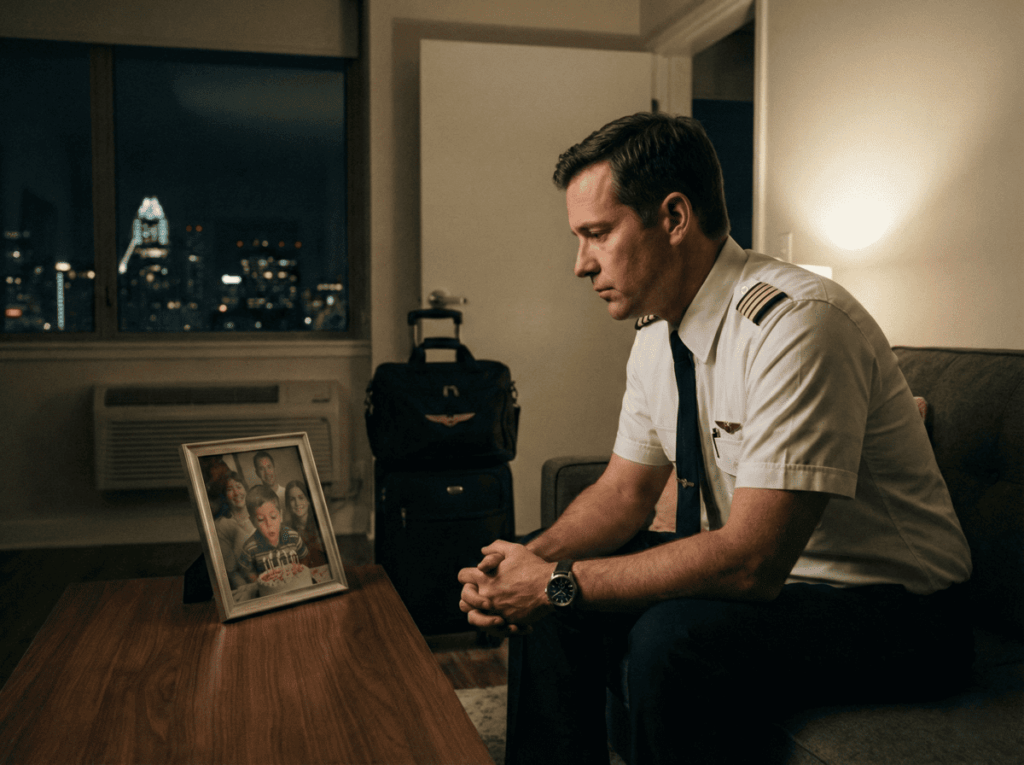
Balancing personal life with a constantly shifting roster requires effort from everyone involved. Over years, that balancing act can become the hardest part of the career.
It’s rarely talked about publicly, but it’s widely understood within the industry.
And yet, pilots still love flying
Here’s the part that often surprises people: burnout doesn’t mean pilots stop loving aviation.
Most still feel the same spark when they see an aircraft at sunrise. Many still visit airshows. Many still collect aviation books, photos, and yes — scale aircraft models.
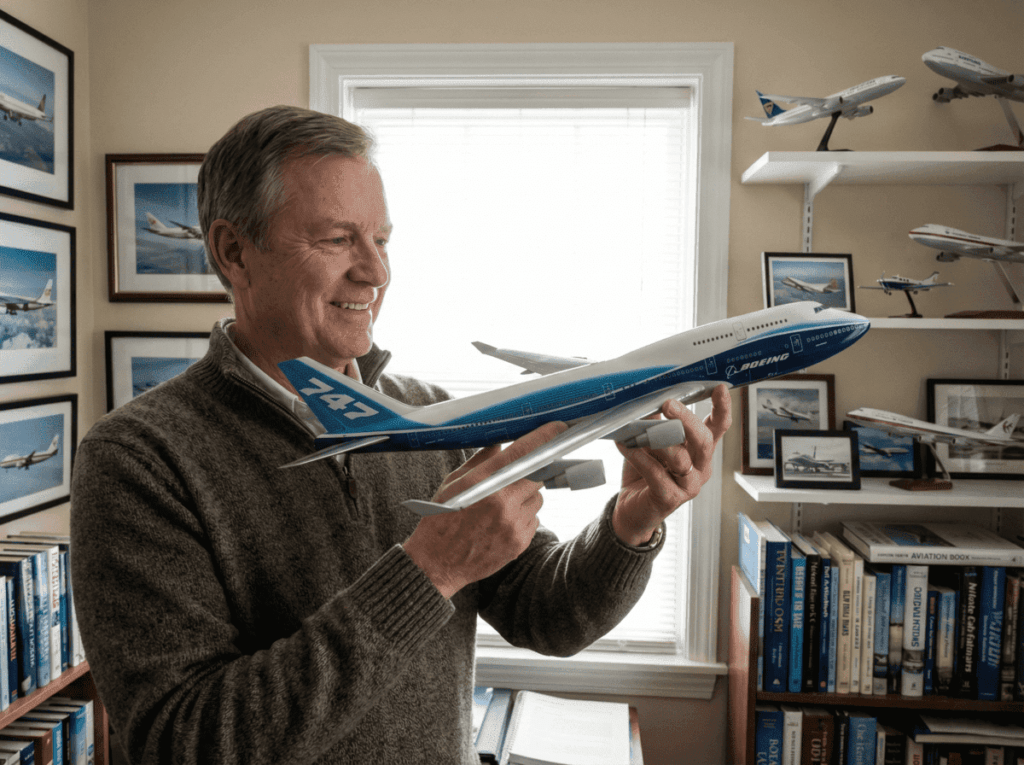
Because the fascination with flight never really disappears. The career simply adds layers of responsibility to it.
For aviation enthusiasts and professionals alike, a carefully crafted model plane often represents that original spark — the simple fascination with flight that came long before rosters, duty limits, and time zones entered the picture. A custom airplane model of an aircraft type someone has flown can quietly capture that personal connection in a way words rarely do.
The part passengers never see
From seat 24A, flying looks smooth, routine, and predictable. That’s exactly how it should feel.
Behind the cockpit door, it’s a career built on discipline, attention, and long-term resilience. Pilot burnout isn’t about disliking the job. It’s about the invisible weight that comes with doing it for years.
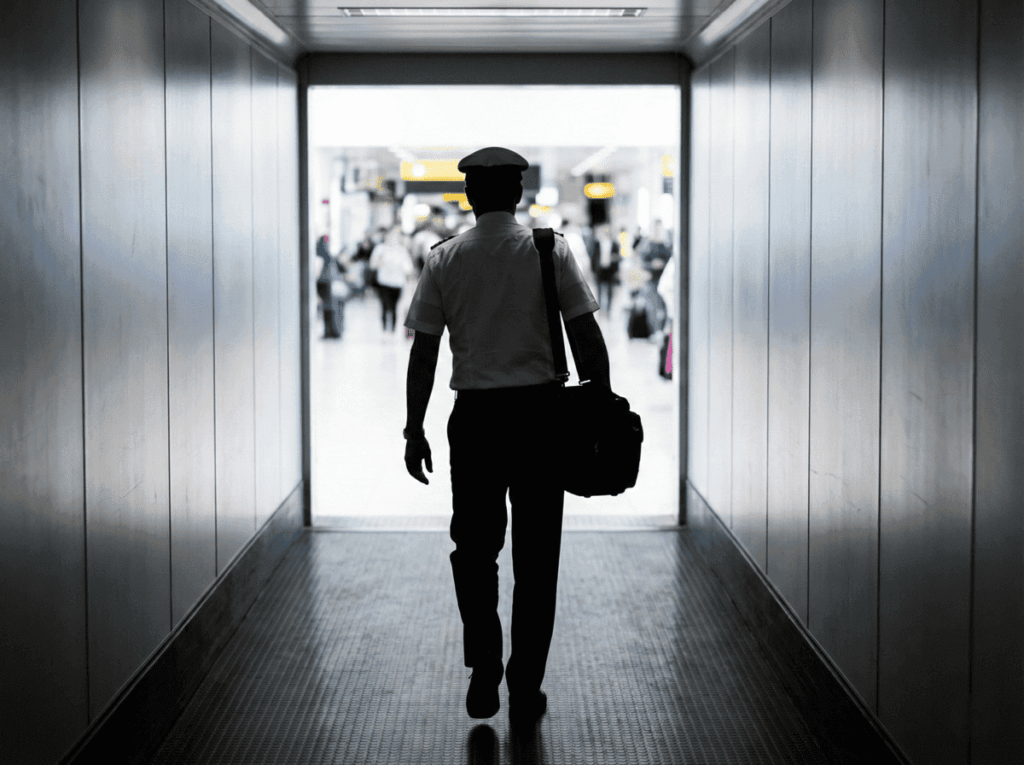
And understanding that hidden side doesn’t make aviation less inspiring.
It makes the people who keep it running even more impressive.