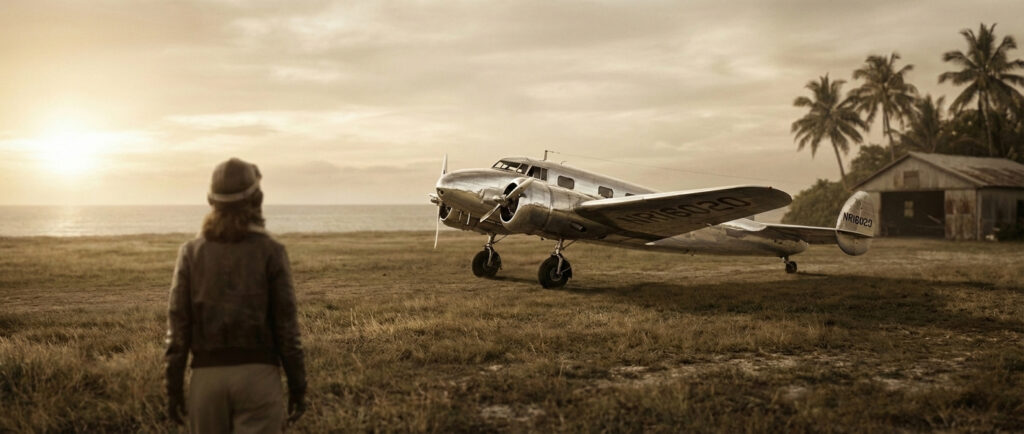

For a long time, autonomous aircraft sat in the same mental category as flying cars — interesting, futuristic, and comfortably far away.
That distance is shrinking.
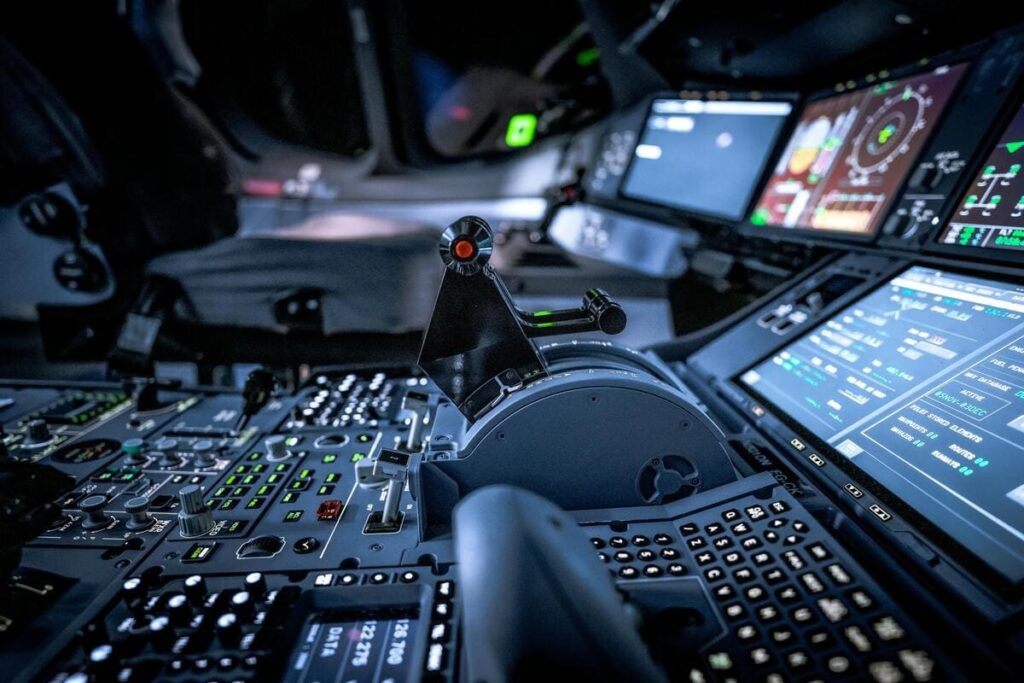
In 2026, the conversation has shifted from if automation will reshape aviation to how fast it will happen and where it will start. You can see it in test programs, regulatory discussions, and the growing number of companies working quietly on pilotless cargo aircraft.
The tone has changed. Engineers aren’t speculating anymore. They’re building.
We’ve been moving toward this longer than people think
Modern airliners already fly large portions of every journey on autopilot. That isn’t new or controversial inside aviation. Cruise flight, route management, and even some landings have relied on automation for years.
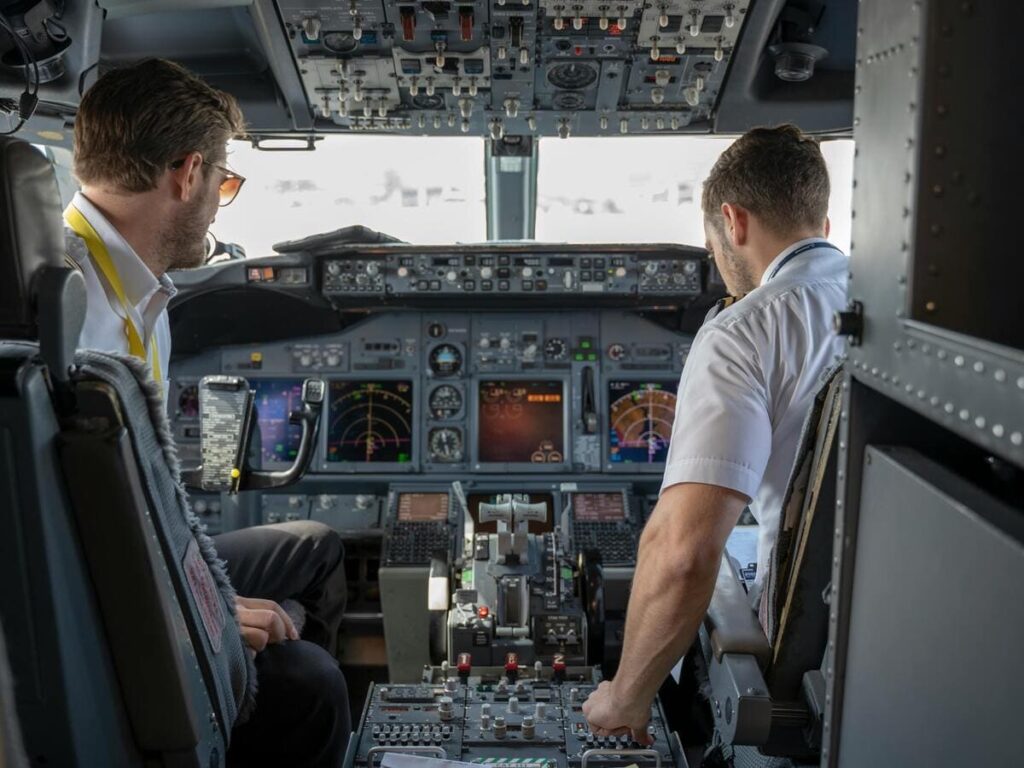
Pilots haven’t become less important — but their role has gradually shifted. More monitoring, more system management, less physical flying than earlier generations experienced.
Autonomy isn’t a sudden leap. It’s the next step on a path that started decades ago.
Cargo flights are the obvious starting point
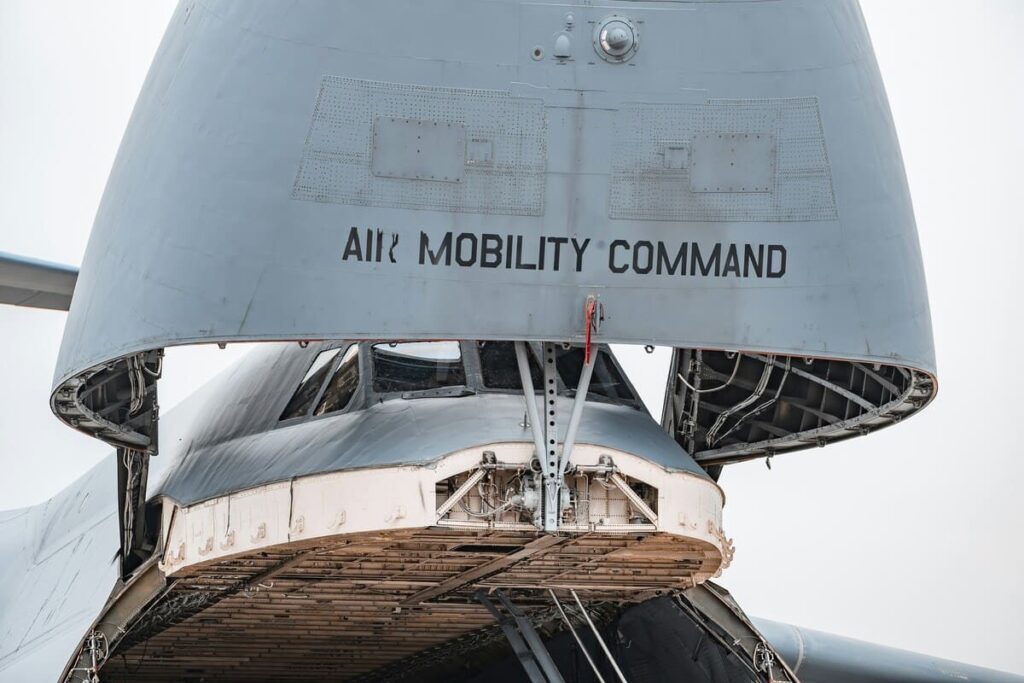
Passenger flights come with emotion, perception, and public trust. Cargo flights don’t carry the same psychological weight. That’s why freight operators are becoming the testing ground for autonomous aircraft.
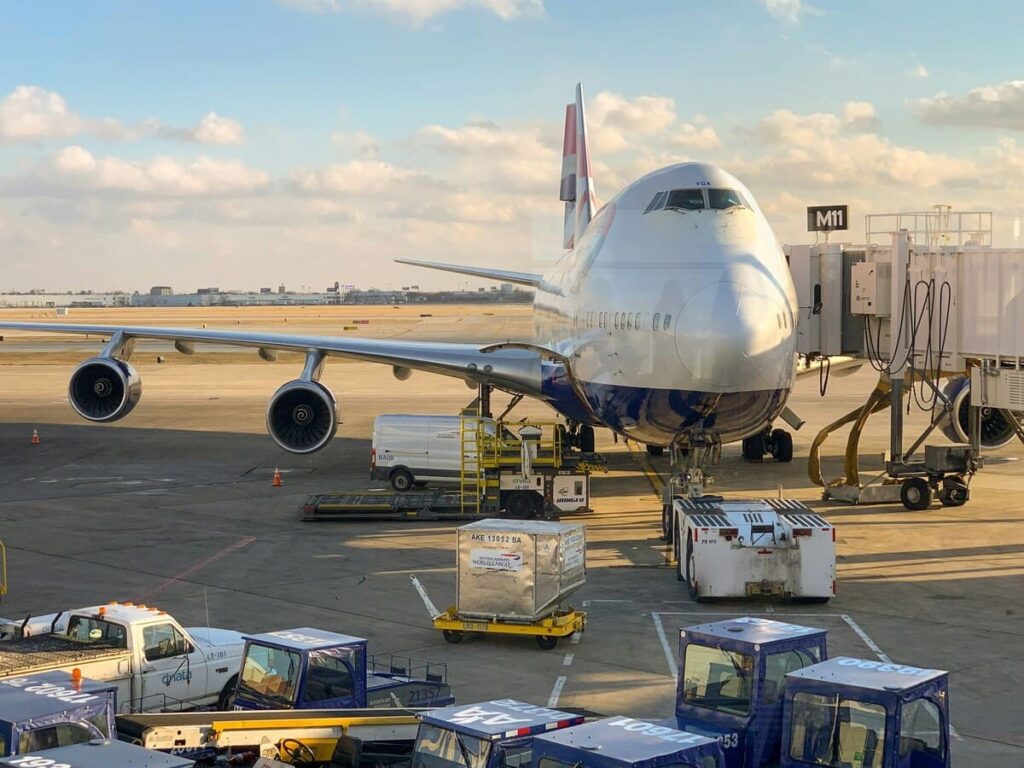
Short regional routes. Predictable schedules. Controlled environments. It’s the perfect place to prove reliability before moving anywhere near passenger cabins.
If autonomous aviation has a first chapter, it’s almost certainly being written in cargo hangars rather than airport terminals.
The cockpit won’t suddenly become empty
The idea of pilotless passenger flights still makes people uneasy, and the industry understands that. The more realistic path is gradual: smarter systems, reduced workload, and eventually fewer crew on certain routes.
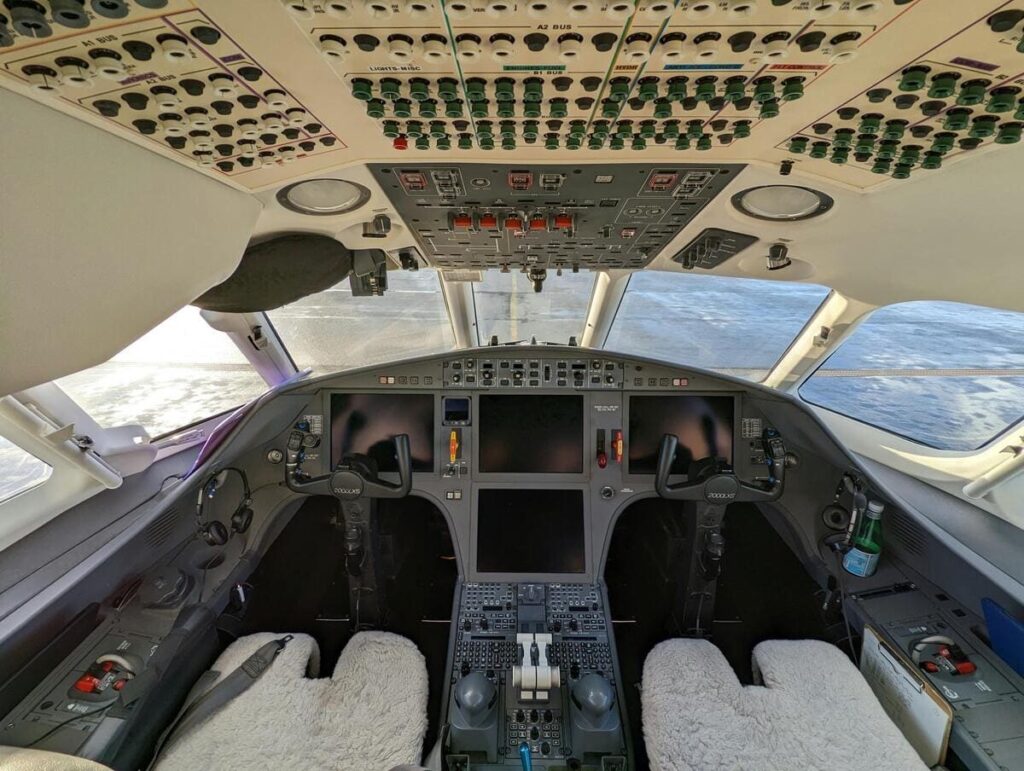
Single-pilot long-haul operations are already being studied. Ground support teams monitoring flights from operations centers are part of the conversation too.
Change in aviation rarely arrives overnight. It creeps in until it feels normal.
Technology is finally catching up to the idea
Artificial intelligence, satellite navigation, and real-time aircraft monitoring have matured rapidly. Aircraft can now process enormous amounts of data during flight and detect issues earlier than crews could a generation ago.
This isn’t about replacing pilots tomorrow. It’s about building systems that make aviation more predictable and resilient over time.
The technology is reaching a point where the conversation feels practical instead of theoretical.
The fascination with flight hasn’t changed
Interestingly, while aviation edges toward autonomy, the way people fall in love with flying hasn’t changed at all. For many, it still begins with airplane toys scattered across a bedroom floor or a toy plane looping through the air on a string.
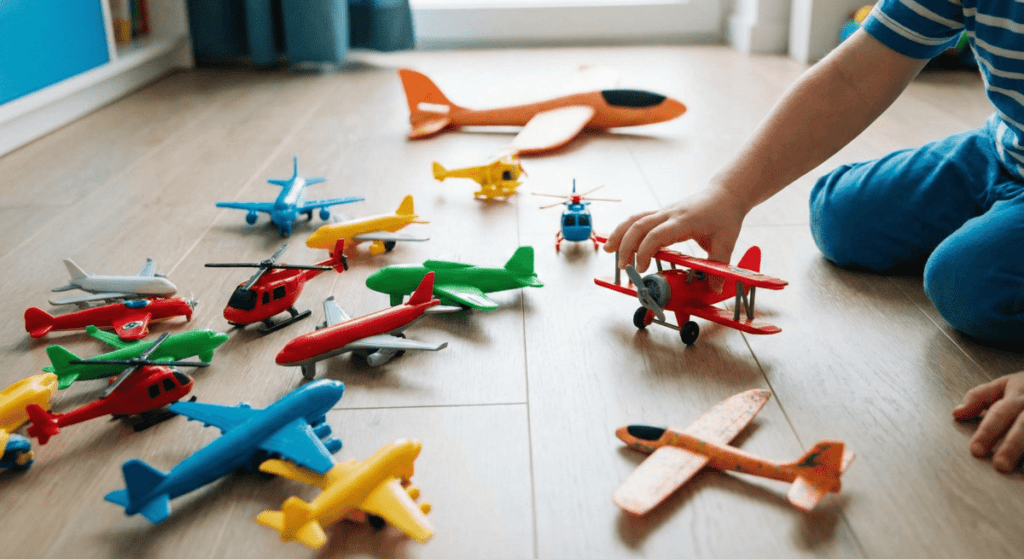
That curiosity grows into airplane models, model airplane kits, and sometimes balsa wood airplanes built at a kitchen table. Years later, the same fascination might turn into a detailed model plane on an office shelf.
The technology evolves. The spark usually doesn’t.
The change will be quiet — and then obvious
Autonomous aircraft won’t arrive with a single dramatic announcement. They’ll appear gradually. First in cargo. Then in niche passenger operations. Then, eventually, as a normal part of aviation.
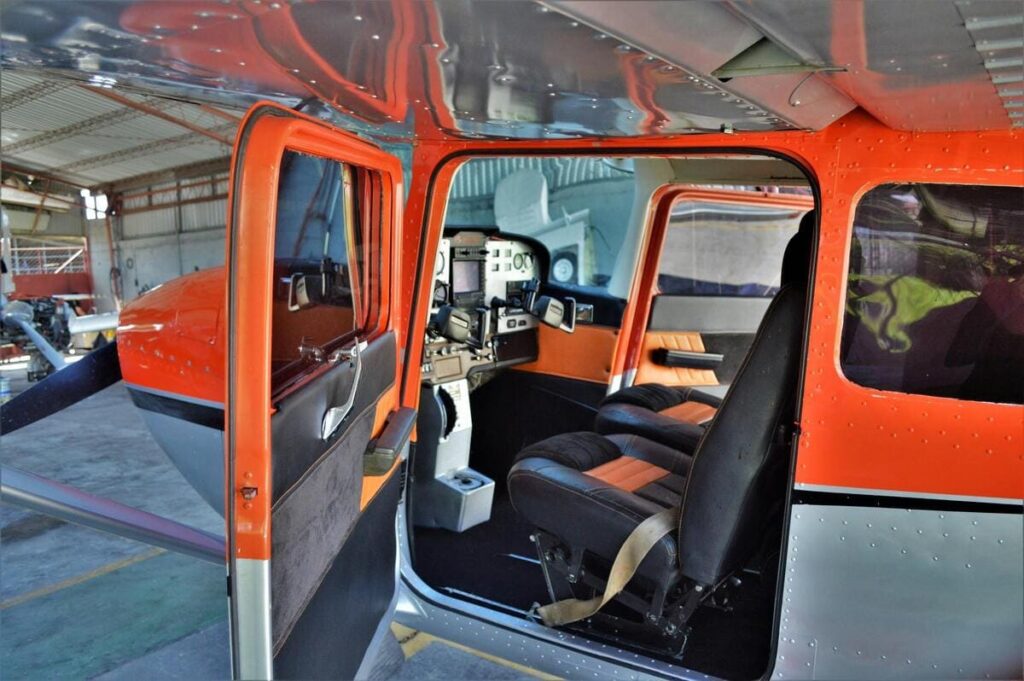
That’s how aviation tends to move forward — quietly, steadily, and in steps that only look dramatic in hindsight.
And in 2026, those steps are clearly getting closer together.