

One of the most notable features of aircraft design has been the reflection of mankind’s drive to break through the physical boundaries. The history of aviation in each time period, from the very first flying experiments to the most sophisticated jets of the present, is essentially the saga of struggle, invention, and improvement. The history of aircraft design is like a blueprint for the present, day airplanes; it also gives a reason why some old, fashioned aircraft still fascinate people even when they are no longer airworthy.
Early Experiments and the Foundations of Flight
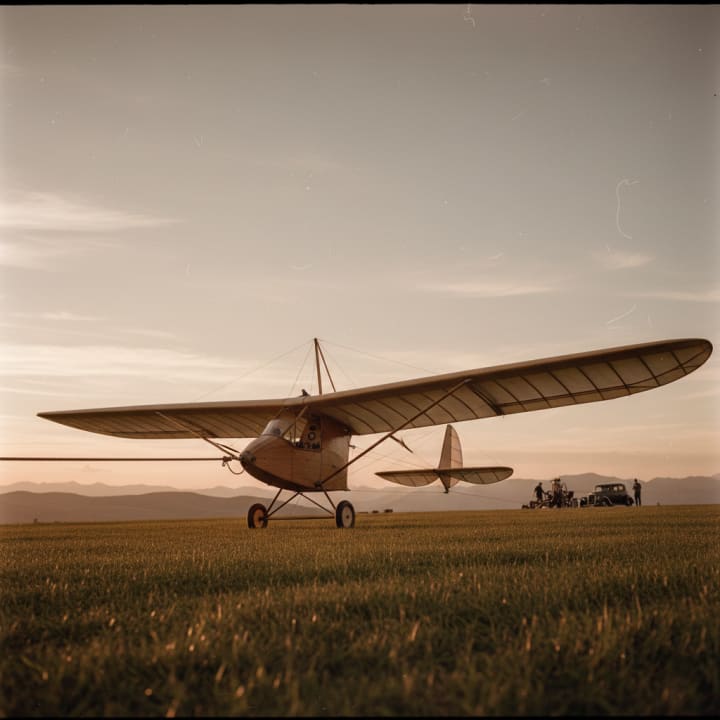
Before males even dreamed of powered flight, inventors were studying birds, airflow, and gravity. The first gliders and experimental were using the simple structures of wood, fabric, and wire. These early models were mainly aimed at obtaining lift and some control rather than speed or range. Most of them were unsuccessful, but each attempt gave the inventors new ideas which they used as a stepping stone for their next designs.
The breakthrough was made when designers figured out how to balance lift, thrust, weight, and drag in a controlled manner. Therefore, after these fundamentals were grasped, aircraft design became a serious engineering field instead of a mere curiosity.
The Rise of Performance-Driven Design
With the progression of aviation, the aircraft designers went on to challenge the limits. Speed, maneuverability, and power were mainly the focus that the designers concentrated on especially during the period between the two world wars. The most visually fascinating and artistically shaped airplanes that have ever existed were the products of this period.
In general, racing planes became very influential. The engineers tried very much to shorten fuselages, strengthen engines, and reduce drag to the minimum. A distinctive example of such a period is the Gee Bee racer whose main feature was the speed of the flight. The daring design of the machine demonstrated how far the engineers were ready to go to get the maximum performance from the machine, even if it was at the cost of comfort and stability.
Today, the Gee Bee model plane remains a popular way for enthusiasts to study this extreme approach to aircraft design, offering a closer look at how aerodynamic ambition shaped aviation history.
Wartime Influence and Engineering Acceleration
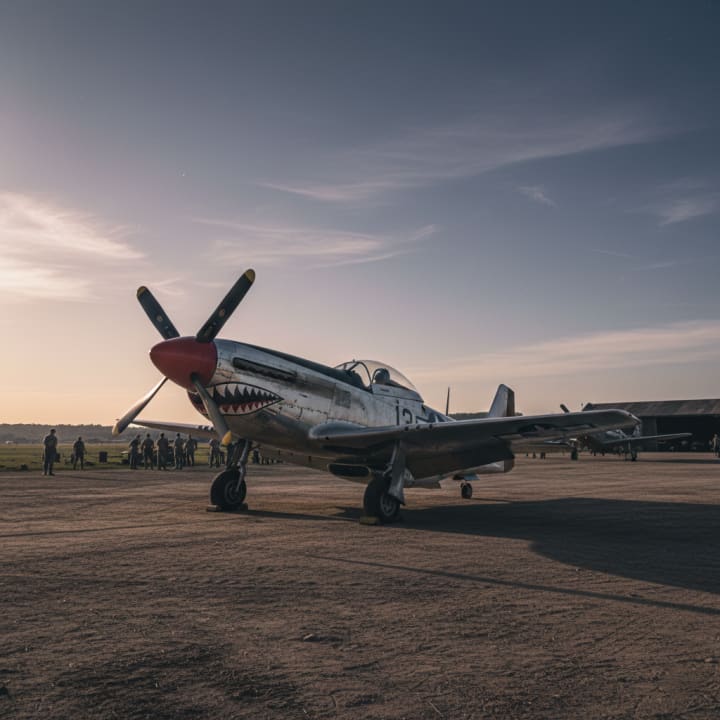
World War II was a major factor in the rapid expansion of aircraft technology. As the war progressed, the military required faster fighters, heavier bombers, and more dependable systems. To meet these demands, designers incorporated tougher materials, retractable landing gear, improved control surfaces, and more powerful propulsion units.
Most of the principles that were perfected during the war served as a foundation for aviation after the war. Planes turned into more standardized, safer, and able of longer flights. The concepts of this time, which are still used, have a great impact on the modern design system.
Transition Into the Jet Age

The introduction of jet engines marked one of the most significant shifts in aircraft design. Jet propulsion eliminated many limitations of propeller-driven aircraft, allowing planes to fly higher, faster, and farther. Designers adapted wing shapes, structural layouts, and materials to handle new speeds and stresses.
Cabin pressurization, advanced avionics, and improved aerodynamics transformed aircraft into efficient tools for global travel. Commercial aviation expanded rapidly, and aircraft design shifted toward efficiency, passenger comfort, and reliability.
Modern Aircraft Design Priorities
Today’s aircraft reflect a balance between performance, safety, and sustainability. Lightweight composite materials reduce fuel consumption, while digital flight systems enhance precision and control. Noise reduction, emissions, and operational efficiency now guide design decisions as much as speed once did.
Despite these advancements, modern aircraft still rely on the same fundamental aerodynamic principles discovered over a century ago. The difference lies in how precisely those principles are applied using modern technology.
Why Historic Designs Still Matter
Studying early and experimental aircraft provides valuable insight into the evolution of engineering thought. Designs like the Gee Bee racers remind us that progress often comes from bold experimentation. Even when designs pushed limits too far, they contributed knowledge that helped aviation move forward.
For collectors, educators, and aviation enthusiasts, historic aircraft designs continue to inspire curiosity. Scale representations allow these iconic machines to be appreciated in detail, preserving their legacy for future generations.
Conclusion
Aircraft design has been a saga of upgrading knowledge, one train of thought after another based on the wins and losses of the last. The progression of flying the Planet has gone from the frail first machines to highly sophisticated ones and basically shows the innovative power and will of mankind. When we get to know this transition, we become more admiring of both the planes that are flying today and the risky designs that led to them.