
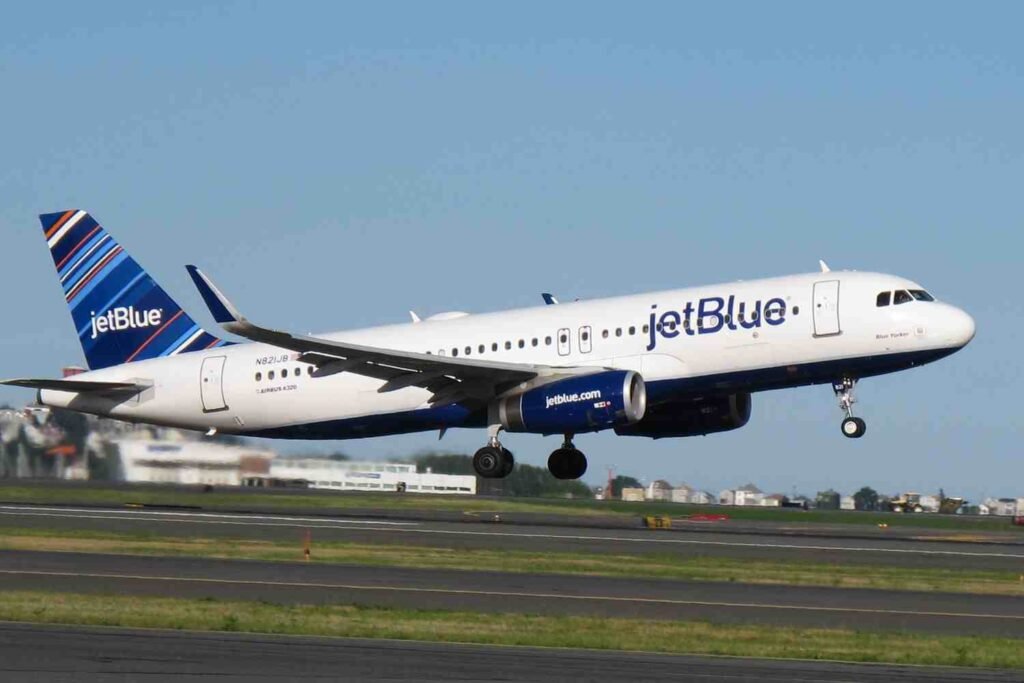
Air travel has changed dramatically over the past decade, and airlines now compete not just on price but on comfort, reliability, and overall passenger experience. Among the carriers that have carved out a loyal following in the United States, one name consistently comes up in conversations about value paired with quality service. Booking a JetBlue flight has become a preferred choice for millions of travelers who want more than just a seat from point A to point B. Whether you’re a frequent flyer chasing points or a first-time visitor comparing options, understanding what sets this airline apart can help you make a smarter travel decision.
This guide walks through everything from booking strategies to onboard amenities, giving you a clear picture of what to expect when you choose this airline for your next trip.
Why Travelers Keep Choosing JetBlue
There’s a reason so many passengers return to this carrier trip after trip. A JetBlue flight typically includes free Wi-Fi, generous legroom compared to many competitors, and complimentary snacks and beverages, even in economy class. These small details add up, especially on longer domestic routes where comfort matters more than most travelers initially realize. The airline has built its reputation on treating passengers as people rather than just numbers on a manifest, and that philosophy shows in the small touches throughout the journey.
Unlike some legacy carriers that reserve perks for premium cabins, this airline extends a baseline level of comfort across the board. Seatback entertainment screens, live television, and satellite radio are standard on most aircraft, making even a short hop feel less tedious. For families traveling with children or business travelers needing to stay connected, these features aren’t just nice extras—they’re often the deciding factor when comparing multiple airline options for the same route.
Booking Your Trip: Timing and Strategy
Securing the best fare on a JetBlue flight often comes down to timing. Industry data consistently shows that booking domestic tickets four to eight weeks in advance tends to yield better pricing than last-minute purchases. Tuesday and Wednesday departures are also frequently cheaper than weekend flights, since business and leisure travel patterns create predictable demand spikes around Fridays and Sundays.
The airline offers several fare categories, each designed for different traveler needs. Blue Basic suits budget-conscious flyers who don’t mind fewer flexibility options, while Blue and Blue Plus tiers add benefits like checked bags and seat selection. For those wanting maximum comfort, Blue Extra and Mint (the airline’s premium transcontinental product) deliver a noticeably elevated experience with lie-flat seating on select routes.
Here’s a quick breakdown of common fare tiers and what they typically include:
| Fare Type | Carry-On Bag | Checked Bag | Seat Selection | Refundable |
|---|---|---|---|---|
| Blue Basic | Yes | No | Limited | No |
| Blue | Yes | 1 Free | Yes | No |
| Blue Plus | Yes | 1 Free | Yes | No |
| Blue Extra | Yes | 2 Free | Extra Legroom | No |
| Mint | Yes | 2 Free | Suite/Lie-Flat | Fare Dependent |
Baggage Rules and Packing Tips
Understanding baggage policy before arriving at the airport saves both time and money. Most fare types allow one carry-on and one personal item at no extra charge, but checked baggage fees vary depending on the ticket purchased. Travelers booking the most basic fare category should budget for checked bag fees separately, since these aren’t bundled into the ticket price the way they are with higher tiers.
Weight and size limits are fairly standard across the industry, but it’s worth double-checking dimensions before packing, especially if you’re bringing sports equipment, musical instruments, or oversized items. Loyalty program members and co-branded credit card holders often receive a free checked bag as a standing benefit, which can offset the annual card fee if you fly even a couple of times per year. Packing smart isn’t just about avoiding fees—it also speeds up boarding and reduces the stress of overhead bin scrambles.
The Onboard Experience
Stepping onto a JetBlue flight, passengers immediately notice the cabin layout feels more open than many competitors’ narrow-body configurations. Legroom in standard economy typically measures around 32 to 33 inches, which is noticeably more generous than the industry average. This extra space makes a real difference on flights longer than two hours, where cramped seating can turn a routine trip into an uncomfortable ordeal.
Snacks rotate seasonally and often include options beyond the standard pretzel bag—think blue chips, animal crackers, and specialty cookies. Beverage service includes a range of soft drinks, coffee, and on many routes, complimentary beer or wine for adult passengers. While these offerings won’t rival a five-star restaurant, they reflect a genuine effort to make coach class feel less like an afterthought.
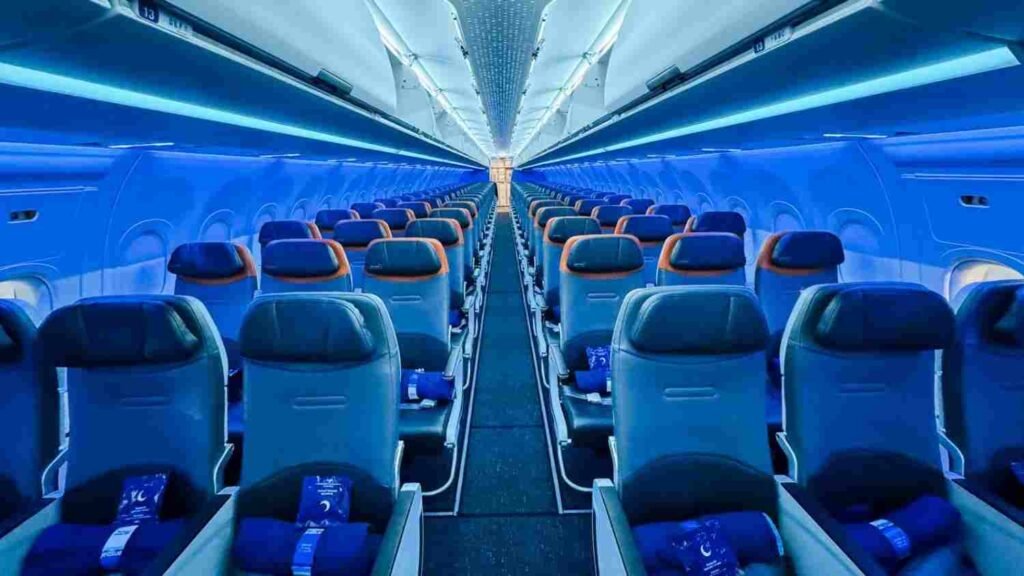
For travelers seeking extra comfort, the Even More Space option provides additional legroom and priority boarding for a modest upcharge. This has become a popular middle-ground choice for people who want more comfort without paying full premium cabin prices. Business travelers in particular gravitate toward this option since it allows them to work comfortably during the flight without feeling boxed in.
Route Network and Destinations
The airline’s route map spans major U.S. cities, popular vacation destinations across the Caribbean, and select international connections to Latin America and parts of Europe. New York and Boston serve as primary hubs, with strong connectivity to Florida, the West Coast, and beyond. This network design makes it convenient for travelers connecting through major metropolitan areas without excessive layover times.
Seasonal route additions are common, particularly to leisure destinations during peak vacation months. If you’re planning travel around holidays or summer break, checking the current route map early in your planning process can help you lock in both availability and better pricing before seats fill up. A JetBlue flight to a Caribbean destination, for instance, often sees increased demand starting in late fall as travelers seek warmer climates during colder months.
Loyalty Program Benefits
TrueBlue, the airline’s loyalty program, operates on a points system that rewards both frequent flyers and occasional travelers. Unlike some programs with complicated tier structures, this one keeps things relatively straightforward—points earned scale with the dollar amount spent rather than distance flown, which benefits travelers who book premium fares or last-minute tickets.
Members can redeem points for flights, and there’s no long-term expiration on points as long as some account activity occurs periodically. Combining loyalty membership with a co-branded credit card often accelerates point accumulation significantly, making free flights achievable faster than many travelers expect. For anyone who flies this airline more than once or twice a year, joining the loyalty program is a fairly easy decision with minimal downside.
Handling Delays and Cancellations
No airline is immune to weather disruptions or mechanical delays, and understanding your rights as a passenger helps reduce frustration when things don’t go as planned. The airline maintains a customer bill of rights that outlines compensation for controllable delays and cancellations, including meal vouchers and, in some cases, hotel accommodations for significant overnight disruptions.
Travelers booking a JetBlue flight during peak weather seasons, particularly winter months in the Northeast, should build some buffer time into connecting itineraries. Same-day flight changes are often available for a fee or sometimes free depending on fare class, giving passengers flexibility if weather forecasts look concerning ahead of departure. Staying informed through the airline’s mobile app also helps travelers react quickly to gate changes or delays before they escalate into missed connections.
Tips for a Smoother Travel Day
A few practical habits can make any trip go more smoothly, regardless of which airline you choose. Arriving at the airport with enough buffer time, checking in online ahead of schedule, and downloading the airline’s app for real-time updates all reduce day-of stress considerably. For a JetBlue flight specifically, taking advantage of mobile boarding passes and TSA PreCheck (where eligible) can shave meaningful time off the airport experience.
Consider these quick reminders before your next trip:
- Check in online 24 hours before departure to secure better seat availability
- Review baggage allowances tied to your specific fare type beforehand
- Download the airline app for gate updates and mobile boarding passes
- Arrive early during peak holiday travel periods to avoid security bottlenecks
- Consider Even More Space seating if legroom is a priority for longer routes
Conclusion
Choosing the right airline often comes down to balancing cost, comfort, and reliability against personal travel priorities. A JetBlue flight consistently delivers a solid middle ground—affordable fares paired with amenities that many low-cost carriers simply don’t offer. From free entertainment and generous legroom to a loyalty program that rewards spending rather than just distance, this airline has built a travel experience that resonates with a wide range of passengers.
Whether you’re booking a quick weekend getaway or planning a longer international itinerary, taking time to understand fare tiers, baggage policies, and available perks ensures you get the most value from your ticket. The next time you’re comparing options for an upcoming trip, weighing the full experience—not just the sticker price—can make all the difference in how enjoyable your journey turns out to be.