
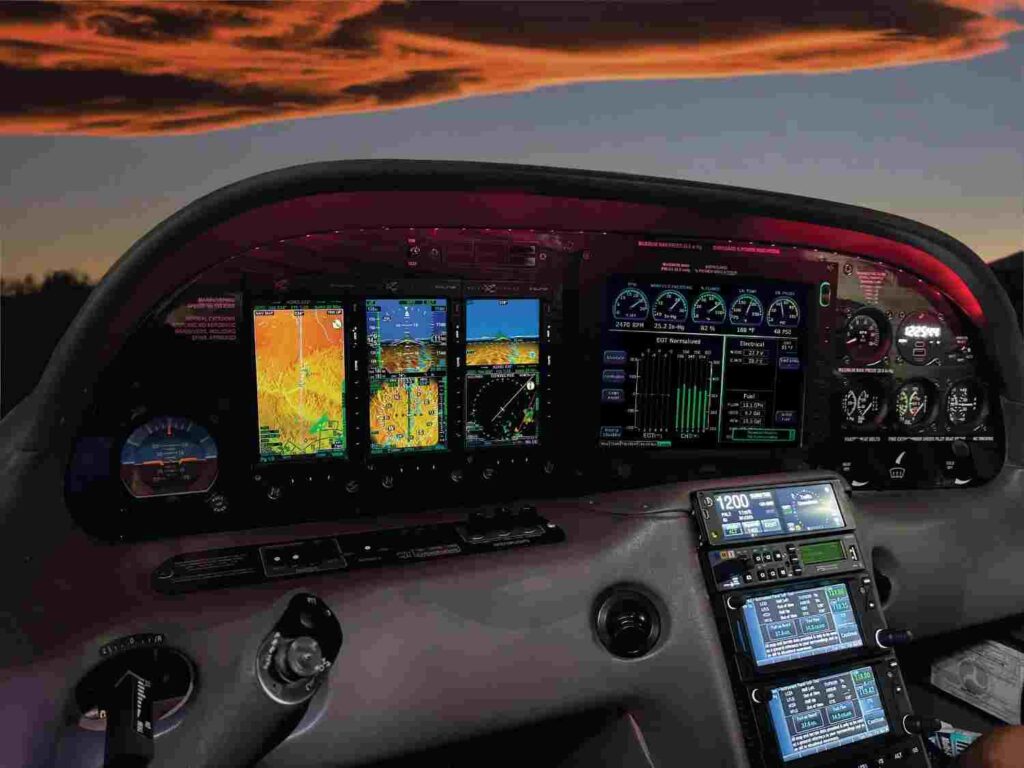
Modern aircraft no longer rely on rows of mechanical dials and analog gauges to guide pilots through the skies. Instead, they use glass cockpit technology, a system built around digital electronic displays that consolidate flight data into clear, interactive screens. This shift has redefined how pilots interact with aircraft systems, improving situational awareness while reducing the clutter that once dominated traditional flight decks.
What Glass Cockpit Technology Actually Means
At its core, glass cockpit technology replaces analog instruments with liquid crystal or LED displays that present flight information digitally. Rather than reading dozens of separate gauges, pilots view integrated screens showing altitude, airspeed, heading, navigation data, and engine performance in a single glance. This consolidation reduces the mental effort required to cross-reference multiple instruments, allowing pilots to focus more on decision-making and less on data collection.
The term “glass” refers to the screen surfaces themselves, which have gradually replaced the mechanical faces of older cockpits. Today, glass cockpit technology is standard in commercial airliners, military aircraft, and increasingly in general aviation planes, reflecting how deeply this innovation has penetrated the aerospace industry.
How This System Improves Flight Safety
One of the strongest arguments in favor of glass cockpit technology is the safety improvement it offers. Traditional cockpits required pilots to interpret multiple independent instruments, increasing the chance of misreading data during high-stress situations. With digital displays, information is presented in a unified, logical format that highlights anomalies immediately.
For example, if an aircraft’s altitude deviates from the assigned flight level, the system can flag this visually and sometimes audibly, prompting a faster pilot response. Glass cockpit technology also integrates terrain awareness, weather radar, and traffic collision avoidance data directly into the primary flight display, meaning pilots no longer need to shift attention across separate systems to gather critical safety information.
Core Components Found in a Digital Flight Deck
While specific configurations vary between manufacturers, most systems built around glass cockpit technology share a similar set of core components. These typically include:
- Primary Flight Display (PFD): Shows attitude, altitude, airspeed, and heading in one integrated screen.
- Multi-Function Display (MFD): Presents navigation maps, weather overlays, and system diagnostics.
- Engine Indication and Crew Alerting System (EICAS) or similar: Monitors engine performance and alerts crews to malfunctions.
- Autopilot and Flight Management System (FMS) interface: Allows pilots to program routes and manage automated flight paths directly through the display.
These components work together to create a cohesive digital environment, which is precisely why glass cockpit technology is often described as a fully integrated avionics suite rather than a simple instrument upgrade.
Comparing Traditional and Digital Cockpit Instrumentation
To understand why airlines and manufacturers have embraced this shift, it helps to compare the two approaches directly.
| Feature | Traditional Analog Cockpit | Glass Cockpit Technology |
|---|---|---|
| Instrument Type | Mechanical gauges and dials | Digital electronic displays |
| Data Presentation | Scattered across multiple instruments | Consolidated on integrated screens |
| Pilot Workload | Higher, requires manual cross-checking | Lower, due to automated data integration |
| Maintenance | Frequent calibration of mechanical parts | Software-based diagnostics and updates |
| Weight | Heavier due to multiple physical instruments | Lighter, fewer moving parts |
| Customization | Fixed instrument layout | Configurable display formats |
This comparison illustrates why glass cockpit technology has become the preferred choice across nearly every category of modern aircraft, from regional jets to long-haul commercial airliners.
Reducing Pilot Workload Through Smart Design
Workload management is a critical factor in aviation safety, and glass cockpit technology plays a direct role in easing the cognitive demands placed on flight crews. Instead of manually calculating fuel burn, monitoring individual engine parameters, or cross-referencing paper charts, pilots can rely on digital systems that automatically calculate and display this information in real time.
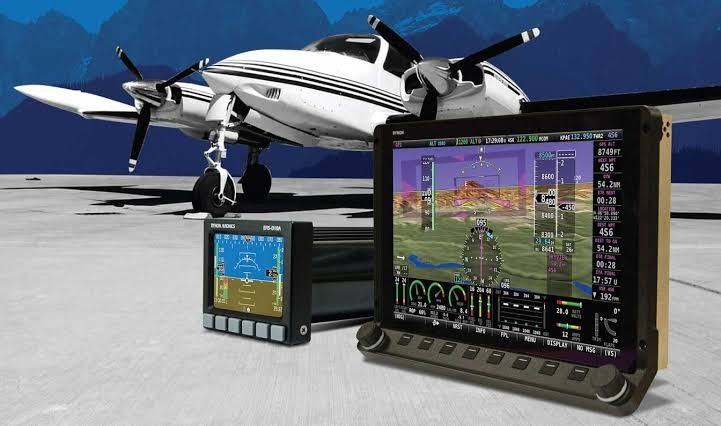
This reduction in manual tasks doesn’t mean pilots become passive observers. Rather, glass cockpit technology shifts their role toward supervisory control, where they monitor automated systems, verify data accuracy, and intervene when necessary. This balance between automation and human oversight has become a defining characteristic of modern flight operations.
Training Challenges and Adaptations
Despite its advantages, transitioning to glass cockpit technology requires substantial retraining for pilots accustomed to analog systems. Flight schools and airlines have had to redesign training curricula to address the differences in scan patterns, system logic, and failure management procedures associated with digital displays.
Some challenges include:
- Adjusting to new instrument scan flows that differ from traditional “six-pack” analog layouts.
- Understanding automation logic, including when the system may behave unexpectedly during mode transitions.
- Managing information overload, since digital displays can present more data than pilots are used to processing at once.
Simulator-based training has become essential in this context, allowing pilots to practice with glass cockpit technology in controlled environments before applying these skills in actual flight operations.
Applications Beyond Commercial Aviation
While commercial airliners were early adopters, glass cockpit technology has expanded well beyond passenger jets. Military aircraft use these systems for mission-critical data integration, combining navigation, targeting, and communication information into unified displays. Business jets have also adopted this technology, often as a selling point that emphasizes both safety and modern design appeal.
General aviation has followed suit, with many single-engine piston aircraft now equipped with simplified versions of glass cockpit technology. This democratization of digital avionics means that even smaller aircraft benefit from improved situational awareness, though the complexity and capability of these systems often scale with aircraft size and mission requirements.
Maintenance and Long-Term Reliability
From a maintenance perspective, glass cockpit technology offers distinct advantages over mechanical instrumentation. Digital systems can run self-diagnostic checks, identifying faults before they escalate into safety concerns. This proactive approach reduces unscheduled maintenance events and helps maintenance crews pinpoint issues more efficiently than with traditional analog systems, which often required physical inspection and manual testing.
However, this doesn’t mean digital systems are without their own challenges. Software updates, cybersecurity considerations, and the need for specialized technicians familiar with avionics software are all factors that airlines and maintenance teams must account for when supporting aircraft equipped with glass cockpit technology.
The Future Direction of Digital Flight Decks
Looking ahead, the evolution of glass cockpit technology continues to move toward greater integration and intelligence. Emerging trends include synthetic vision systems that overlay terrain and obstacle data onto primary displays, enhanced voice-command interfaces, and predictive analytics that anticipate potential system failures before they occur.
Touchscreen interfaces are also becoming more common, allowing pilots to interact with flight data much like they would with a tablet or smartphone. As artificial intelligence becomes further embedded into avionics software, glass cockpit technology is expected to evolve from a data presentation tool into a more proactive decision-support system, further reducing pilot workload while enhancing safety margins.
Conclusion
Glass cockpit technology represents one of the most significant advancements in modern aviation, transforming how pilots interact with aircraft systems across commercial, military, and general aviation sectors. By consolidating scattered analog instruments into unified digital displays, this technology has improved situational awareness, reduced pilot workload, and enhanced overall flight safety. While the transition has required updated training methods and new maintenance considerations, the long-term benefits continue to outweigh these challenges. As avionics manufacturers push toward more intelligent, automated systems, glass cockpit technology will likely remain at the center of aviation innovation for decades to come, shaping how future generations of pilots navigate an increasingly complex airspace.