
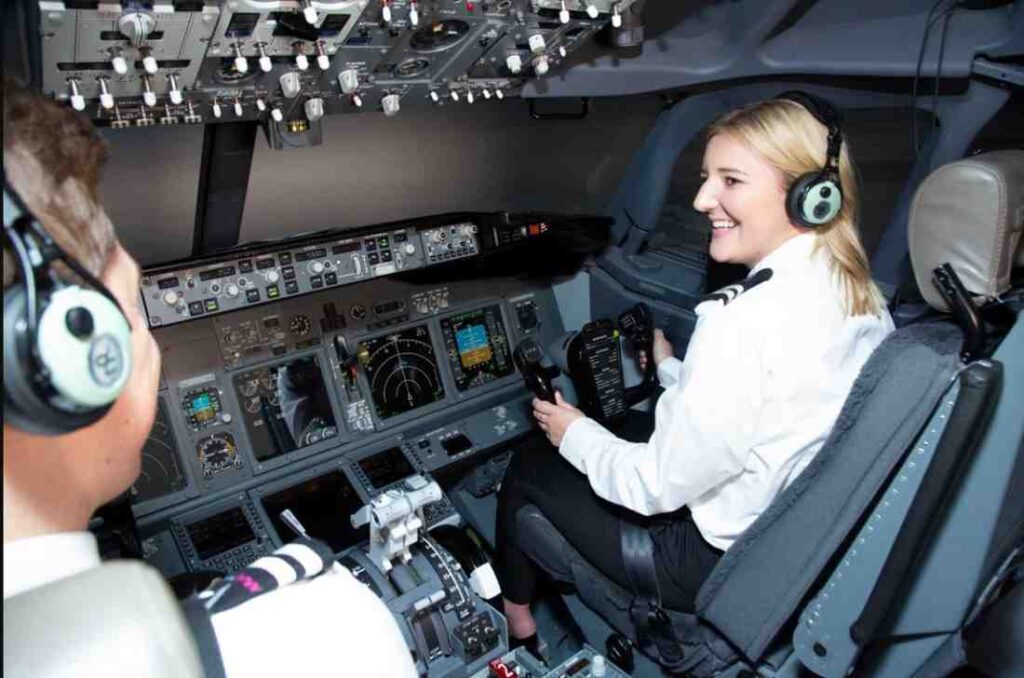
The cockpit of tomorrow will look nothing like the one pilots trained in twenty years ago. As airlines expand routes and passenger numbers climb worldwide, the demand for skilled aviators has never been higher. Future airline pilots will step into a profession shaped by automation, sustainability goals, and evolving passenger expectations. Airlines are already rethinking recruitment, training pipelines, and retention strategies to keep pace with this shift. For young people dreaming of a career above the clouds, understanding these changes early can make the difference between simply qualifying and truly thriving in the industry. The path ahead is demanding, but it is also full of opportunity for those willing to adapt.
Why Demand Is Rising So Quickly
Global air travel is rebounding and growing beyond pre-pandemic levels, and aircraft manufacturers continue rolling out new fleets to meet that demand. This growth directly fuels the need for more cockpit crew across every region. Many senior captains are also approaching mandatory retirement age, creating a wave of vacancies that newer entrants must fill. Airlines in Asia, the Middle East, and North America are competing to attract fresh talent through scholarships, cadet programs, and partnerships with flight schools. This competitive hiring environment means future airline pilots may find more accessible entry points than previous generations did, provided they meet rigorous training and certification standards required for safe operations.
Education and Training Pathways
Becoming a licensed pilot still starts with foundational education, typically a strong grounding in mathematics, physics, and communication skills. From there, aspiring aviators pursue a private pilot license before advancing to commercial and airline transport certifications. Flight schools, university aviation programs, and cadet schemes sponsored by airlines all offer different routes into the cockpit. Simulator-based training has become far more sophisticated, allowing trainees to rehearse emergency scenarios without ever leaving the ground. This blended approach of classroom theory, simulator practice, and real flight hours ensures that future airline pilots graduate with both technical competence and situational judgment that cannot be taught through lectures alone.
The Growing Role of Technology in the Cockpit
Modern aircraft are increasingly equipped with advanced avionics, predictive maintenance systems, and automated flight management tools. These systems reduce pilot workload during routine phases of flight, but they also demand a deeper understanding of software and data interpretation. Pilots today spend more time monitoring systems and making judgment calls than manually flying every second of a route. This trend will only intensify. Training curriculums are being updated to include more instruction on automation management, cybersecurity awareness, and human-machine interaction. Those preparing to become future airline pilots must therefore treat technological fluency as seriously as stick-and-rudder skills, since both will define competence in the years ahead.
Soft Skills That Airlines Now Prioritize
Technical mastery alone no longer guarantees a successful aviation career. Airlines increasingly evaluate communication ability, stress management, and teamwork during recruitment interviews and assessment days. Crew resource management, a philosophy built around clear communication between pilots and cabin staff, has become a core part of training programs worldwide. Passengers also expect calm, confident leadership during irregular operations such as diversions or delays. Emotional intelligence and adaptability are now weighed alongside flight hours when airlines select candidates. This shift reflects a broader recognition that safety depends not just on individual skill but on how well a crew functions together under pressure, especially during unexpected situations.
Sustainability and the Environmental Push
Climate concerns are reshaping nearly every corner of aviation, and pilot training is no exception. Airlines are investing in fuel-efficient flight planning, optimized climb and descent profiles, and alternative fuel initiatives to lower emissions. Pilots are being trained to fly with greater precision, reducing unnecessary fuel burn through smarter route management. Some training programs now include modules on sustainable aviation practices as part of their core curriculum. As electric and hybrid aircraft prototypes move closer to commercial viability, future airline pilots may eventually need certification for entirely new propulsion systems. Staying current with these environmental innovations will likely become a standard expectation rather than an optional specialty.
Diversity and Inclusion in the Cockpit
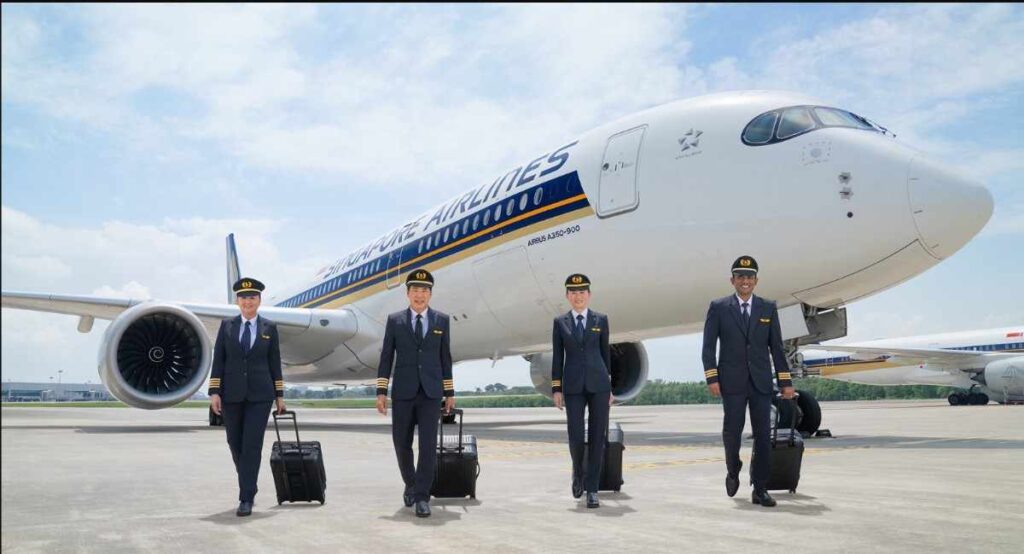
For decades, the pilot profession remained overwhelmingly homogeneous in terms of gender and background. That picture is slowly changing as airlines actively recruit women and underrepresented groups into training programs. Scholarships specifically targeting these groups have expanded across major carriers, alongside mentorship networks designed to support new entrants through the demanding certification process. A more diverse pilot workforce brings varied perspectives to decision-making and problem-solving in the cockpit. Industry leaders argue this diversity strengthens safety culture rather than diluting it. As recruitment pipelines widen, the next generation of future airline pilots is likely to reflect a broader cross-section of society than any previous era in aviation history.
Financial Realities of Pilot Training
Cost remains one of the biggest barriers to entering this profession. Flight training can require a substantial financial investment, often reaching into six figures depending on the country and program chosen. Many aspiring pilots take out loans, seek airline-sponsored cadetships, or work part-time aviation jobs to fund their certifications. Some governments and regional carriers now offer subsidized training in exchange for a service commitment after graduation. This model helps ease the financial burden while guaranteeing airlines a pipeline of qualified crew. Understanding these financial pathways early allows candidates to plan realistically, rather than being caught off guard by the true cost of reaching the flight deck.
Health, Fitness, and Ongoing Certification
Physical and mental fitness remain non-negotiable requirements throughout a pilot’s career, not just at entry. Regular medical examinations, vision standards, and psychological evaluations are mandatory for maintaining an active license. Fatigue management has also gained more attention as regulators tighten duty-time rules to protect against exhaustion-related errors. Pilots must renew certifications periodically through recurrent training and simulator checks, ensuring skills stay sharp long after initial qualification. This continuous cycle of assessment means the profession demands lifelong discipline rather than a one-time achievement. Anyone considering this path should recognize that becoming qualified is only the beginning of a much longer journey.
Preparing Today for Tomorrow’s Cockpit
Aspiring aviators can take concrete steps now to position themselves well for this evolving industry. Building strong academic foundations, seeking mentorship from current pilots, and gaining exposure through flight simulators or introductory lessons all help clarify commitment before major financial investment begins. Networking with airline recruiters at aviation career fairs can also reveal which training pathways carry the strongest hiring prospects. Staying informed about industry trends, from automation to sustainability, gives candidates an edge during interviews. Those who combine technical preparation with genuine passion for flight tend to navigate the demanding certification process more successfully than those pursuing the career for prestige alone.
Conclusion
The cockpit of the future will demand more than flying skill; it will require adaptability, technological literacy, and a genuine commitment to lifelong learning. Airlines are rewriting recruitment strategies to meet rising demand while raising the bar for the qualities they seek in new hires. From sustainability initiatives to advanced automation, the profession is evolving faster than at any point in recent memory. Yet the fundamentals remain unchanged: safety, discipline, and clear communication still define excellence in the air. For those willing to invest the time, money, and dedication required, the opportunities ahead are substantial. The next generation of future airline pilots will not simply inherit an industry in transition; they will actively shape how aviation moves forward for decades to come.