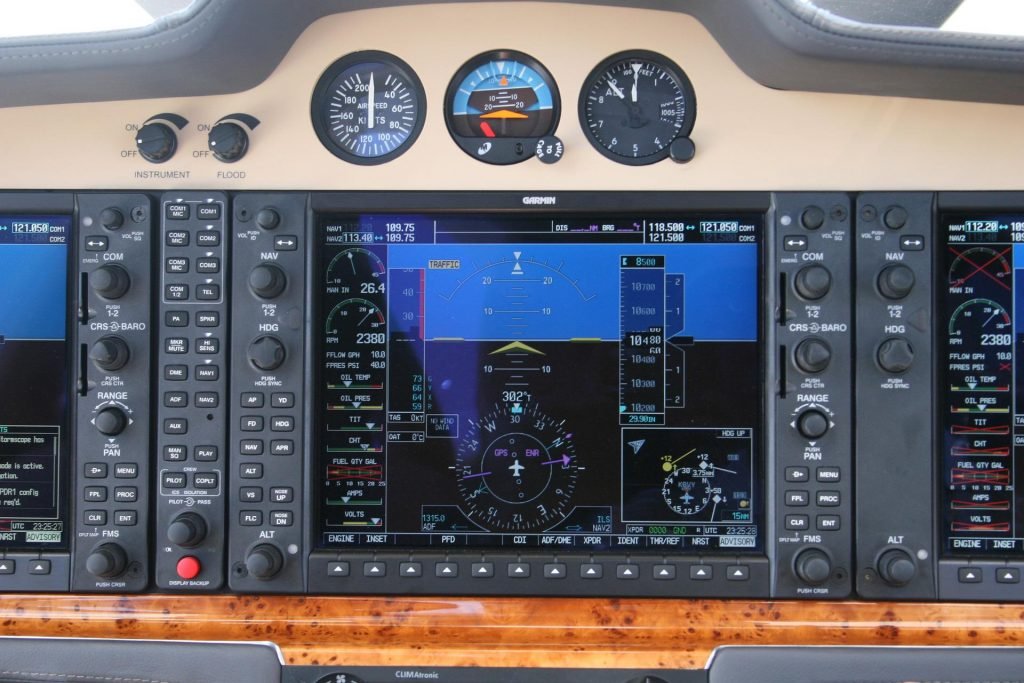

Understanding the aircraft pilot job description is essential for anyone considering a career in aviation. Pilots are responsible for safely operating aircraft, transporting passengers or cargo, and ensuring every flight follows strict safety protocols. The aircraft pilot job description covers a wide range of duties that extend far beyond simply flying a plane. It includes pre-flight planning, in-flight decision-making, communication with air traffic control, and post-flight reporting. Pilots must also monitor weather conditions, fuel levels, and mechanical systems throughout every journey. This profession demands precision, discipline, and continuous learning, as aviation technology and regulations evolve constantly. Whether flying commercial jets, cargo planes, or private aircraft, every pilot follows a similar foundational structure of responsibilities that keeps air travel efficient and secure for millions of people worldwide.
Core Responsibilities in an Aircraft Pilot Job Description
Every aircraft pilot job description outlines a set of core responsibilities that define daily work life. Pilots begin their duties long before takeoff, reviewing flight plans, checking weather forecasts, and inspecting the aircraft for any mechanical issues. During flight, they operate control systems, monitor instruments, and maintain constant communication with air traffic controllers to ensure safe navigation. Pilots must also manage unexpected situations such as turbulence, equipment malfunctions, or emergency landings with calm precision. After landing, they complete detailed logbooks and report any irregularities observed during the flight. These responsibilities require sharp attention to detail and the ability to remain composed under pressure, since even minor oversights can lead to significant safety risks for passengers and crew members alike.
Educational Requirements and Training
A career built around the aircraft pilot job description begins with rigorous education and training. Most aspiring pilots start with a formal aviation degree or enroll in a certified flight school to gain foundational knowledge in aerodynamics, navigation, and meteorology. After classroom instruction, candidates must accumulate flight hours under supervised conditions before qualifying for a private pilot license. Advancing further requires additional certifications, such as a commercial pilot license and instrument rating, which allow pilots to fly in more complex conditions. Continuous training doesn’t stop after certification; pilots undergo regular simulator sessions and recurrent training to stay updated on new aircraft models and safety procedures. This ongoing education ensures pilots remain competent and confident throughout their careers, regardless of changes in technology or regulations.
Essential Skills Highlighted in an Aircraft Pilot Job Description
Skill requirements form a major part of any aircraft pilot job description. Strong hand-eye coordination, spatial awareness, and quick reflexes are fundamental for controlling an aircraft safely. Beyond technical ability, pilots need excellent communication skills to coordinate with co-pilots, cabin crew, and ground control staff. Problem-solving under pressure is equally important, as pilots must make split-second decisions during unexpected scenarios like sudden weather changes or system failures. Physical stamina and mental resilience also matter, since long-haul flights can be demanding on the body and mind. Additionally, leadership qualities are valuable for captains who oversee entire flight crews. Mastering these skills takes years of practice, and most pilots continue refining their abilities throughout their entire professional journey in aviation.
Types of Aircraft Pilots and Their Duties
The aircraft pilot job description varies depending on the type of aviation sector a pilot works in. Commercial airline pilots transport passengers on scheduled routes, following strict timetables and safety regulations. Cargo pilots focus on transporting goods, often flying during odd hours to meet delivery schedules. Private pilots may fly smaller aircraft for personal or business purposes, offering more flexible but less structured routines. Military pilots operate specialized aircraft for defense purposes, requiring additional tactical training beyond civilian certifications. Helicopter pilots handle unique duties such as medical evacuations, aerial tours, or search-and-rescue missions. Each category shares the same foundational responsibilities of safety and navigation, but daily tasks, schedules, and required certifications differ significantly based on the specific aviation career path chosen.
Work Environment and Daily Schedule
Pilots following the aircraft pilot job description often experience irregular and demanding schedules. Flights can occur at any hour, including weekends and holidays, requiring pilots to adapt to constantly changing routines. Long-haul pilots may spend several days away from home, staying in different cities or countries between assignments. The cockpit environment demands intense focus for extended periods, especially during takeoff, landing, and turbulent weather. Pilots also experience frequent time zone changes, which can affect sleep patterns and overall well-being. Despite these challenges, many pilots find fulfillment in traveling to new destinations and experiencing the unique perspective of flight. Employers typically provide structured rest periods between flights to help maintain alertness and comply with aviation safety regulations regarding fatigue management.
Salary Expectations and Career Growth
Compensation is a key element often included in an aircraft pilot job description. Entry-level pilots typically earn modest salaries while building flight hours and experience. As pilots gain seniority and move into larger aircraft or international routes, their earning potential increases substantially. Captains, who hold the highest authority in the cockpit, generally receive higher compensation than first officers due to added responsibilities. Career growth often depends on accumulated flight hours, additional certifications, and performance evaluations. Many pilots progress from regional carriers to larger operations over time, gaining access to better routes and benefits. Long-term career stability in aviation also depends on maintaining medical fitness and passing recurrent training assessments, which are mandatory throughout a pilot’s entire professional career.
Challenges Faced in the Aircraft Pilot Profession
While rewarding, the aircraft pilot job description also includes several challenges that professionals must navigate. Irregular schedules can strain personal relationships and disrupt normal sleep cycles due to frequent time zone shifts. Pilots also face significant responsibility, as any error in judgment can have serious safety consequences for everyone on board. Weather-related delays, mechanical issues, and airspace congestion add layers of complexity to daily operations. Maintaining physical and mental health is crucial, since pilots must pass regular medical examinations to retain their licenses. Additionally, the profession requires constant learning to keep up with evolving technology, regulations, and aircraft models. Despite these obstacles, many professionals remain committed to the field, driven by their passion for aviation and the unique lifestyle flying provides.
Certifications and Licensing Requirements
Licensing is a critical component of any aircraft pilot job description, ensuring pilots meet strict safety standards before operating an aircraft. Aspiring pilots must first obtain a student pilot certificate, followed by a private pilot license after completing required flight hours and passing written and practical exams. Those pursuing professional careers must earn a commercial pilot license, which involves more rigorous training and stricter medical requirements. An instrument rating allows pilots to fly under limited visibility conditions using cockpit instruments alone. For those aiming to become airline captains, an airline transport pilot license represents the highest level of certification, requiring extensive flight experience. Regular medical evaluations and recurrent training are mandatory to maintain these licenses, reinforcing the importance of safety throughout a pilot’s entire career.
Future Outlook for Aircraft Pilots
The future of the aircraft pilot job description continues to evolve alongside advancements in aviation technology. Automation and improved navigation systems are changing how pilots interact with aircraft, though human judgment remains irreplaceable for safety-critical decisions. Growing demand for air travel across various regions is expected to sustain steady interest in piloting careers. Emerging technologies, such as electric and hybrid aircraft, may introduce new training requirements in the coming years. Additionally, increased focus on sustainability could shape future regulations and operational practices within the aviation industry. As global connectivity increases, the need for skilled, well-trained pilots capable of adapting to new systems and safety standards will likely remain strong, keeping this profession relevant and in demand for years to come.