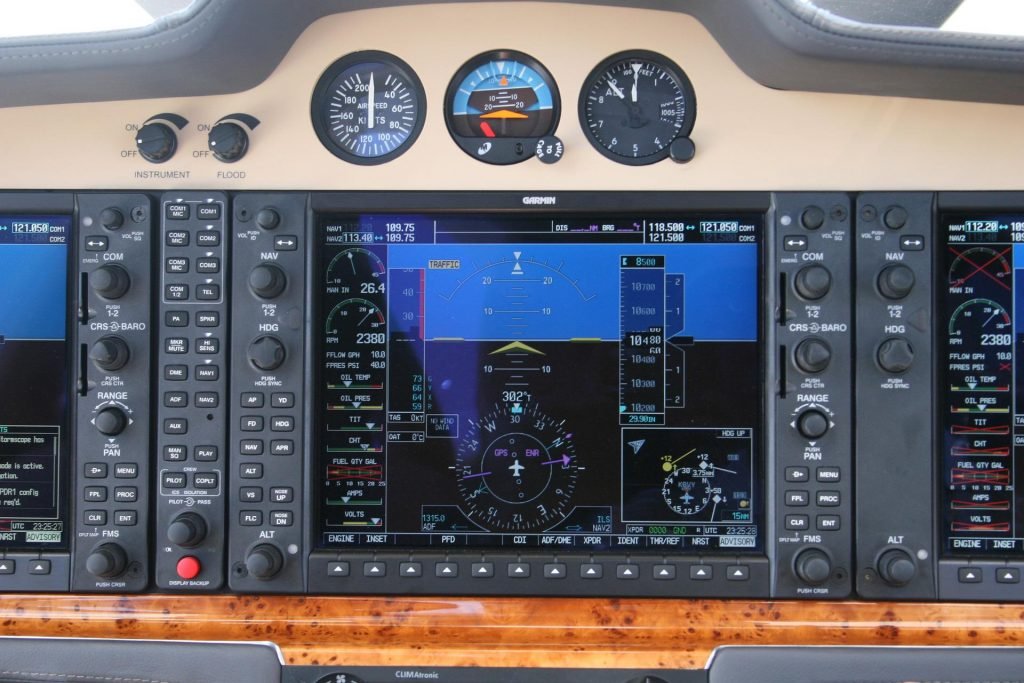

Becoming a licensed aviator begins with clearing the aircraft pilot exam, a structured evaluation designed to test both theoretical knowledge and practical flying skills. This exam is not a single test but a series of assessments covering navigation, meteorology, air regulations, aircraft systems, and human performance. Aviation authorities across the world set strict standards for this exam because the safety of passengers, crew, and ground personnel depends on the competence of the pilot. Candidates must demonstrate a strong grasp of physics, mathematics, and technical reasoning alongside excellent situational awareness. Many aspiring pilots underestimate the depth of preparation required, assuming that flying skills alone are sufficient. In reality, the written and oral components carry equal weight, and failing to prepare for them can delay a career by months. Understanding the full scope of the exam early helps candidates plan their study schedule more effectively and approach training with realistic expectations.
Eligibility Criteria for the Exam
Before registering for the aircraft pilot exam, candidates must meet specific eligibility requirements set by their respective aviation regulatory bodies. These typically include a minimum age requirement, usually between sixteen and eighteen years depending on the license category, along with a mandatory educational qualification in science subjects such as physics and mathematics. Applicants are also required to complete a specified number of flying hours under supervision at an approved flying school before they can sit for the exam. Medical fitness is another critical factor, as candidates must pass a Class 1 or Class 2 medical examination confirming their vision, hearing, and overall physical health meet aviation standards. Language proficiency, particularly in English, is often assessed since it is the standard language used in international aviation communication. Meeting these prerequisites ensures that only genuinely committed and capable individuals proceed toward the demanding stages of pilot certification.
Structure of the Aircraft Pilot Exam
The aircraft pilot exam is generally divided into three major components: a written theoretical test, an oral examination, and a practical flight test. The written portion assesses subjects like air navigation, meteorology, aviation regulations, aircraft technical knowledge, and radio telephony procedures. This section is often conducted in a multiple-choice format with strict time limits, requiring candidates to answer quickly and accurately under pressure. The oral examination follows, where an examiner questions the candidate on emergency procedures, aircraft systems, and decision-making scenarios to gauge practical understanding beyond memorized facts. Finally, the practical flight test evaluates the candidate’s actual flying ability, including takeoff, cruising, navigation, and landing maneuvers performed in front of a certified examiner. Each component must be passed independently, and most authorities require candidates to clear the theoretical section before attempting the practical evaluation, ensuring a logical progression of skill development.
Subjects Covered in the Written Test
The written section of the aircraft pilot exam covers a broad range of technical subjects that form the foundation of aviation knowledge. Air navigation teaches candidates how to plot courses, calculate fuel requirements, and interpret charts accurately. Meteorology focuses on understanding weather patterns, cloud formations, and how atmospheric conditions affect flight safety. Aviation regulations familiarize candidates with the legal framework governing airspace, licensing, and operational procedures. Aircraft technical knowledge dives into engines, hydraulics, avionics, and structural components, while human performance and limitations address topics like fatigue, stress, and decision-making under pressure. Radio telephony procedures teach standardized communication protocols used between pilots and air traffic controllers. Each subject requires dedicated study time, and candidates often use structured study guides, mock tests, and flashcards to retain the vast amount of technical information needed to pass this demanding portion of the aircraft pilot exam successfully.
Importance of the Medical Examination
A mandatory medical examination is an integral part of qualifying for the aircraft pilot exam, ensuring candidates are physically and mentally fit to handle the demands of flying. This examination is conducted by an authorized aviation medical examiner and typically includes vision and hearing tests, cardiovascular assessments, neurological screening, and psychological evaluation. Pilots must maintain sharp reflexes, clear vision, and stable mental health since even minor impairments can compromise safety during critical flight phases. Depending on the license category, candidates may need a Class 1 medical certificate, which is more rigorous, or a Class 2 certificate for lower-risk operations. These medical certificates are not one-time requirements; pilots must periodically renew them throughout their careers to continue flying legally. Failing the medical examination can disqualify an otherwise well-prepared candidate, which is why maintaining good health habits well before applying is strongly recommended for anyone pursuing aviation as a career.
Preparing for the Practical Flight Test
The practical flight test is often considered the most nerve-wracking part of the aircraft pilot exam, as it requires candidates to demonstrate real-time flying competence under the observation of a certified examiner. Preparation for this stage begins with accumulating sufficient supervised flying hours, during which trainees practice essential maneuvers like takeoffs, landings, stalls, steep turns, and emergency procedures repeatedly until they become second nature. Instructors typically simulate various scenarios, including engine failures and adverse weather conditions, to test the candidate’s composure and decision-making ability. Building muscle memory through consistent practice is essential, as the flight test evaluates not just technical accuracy but also confidence and situational awareness. Candidates are advised to review checklists thoroughly, understand aircraft limitations, and stay updated on current weather and airspace conditions before their test day. Physical and mental readiness on the day of the exam significantly influences performance outcomes.
Common Challenges Faced by Candidates
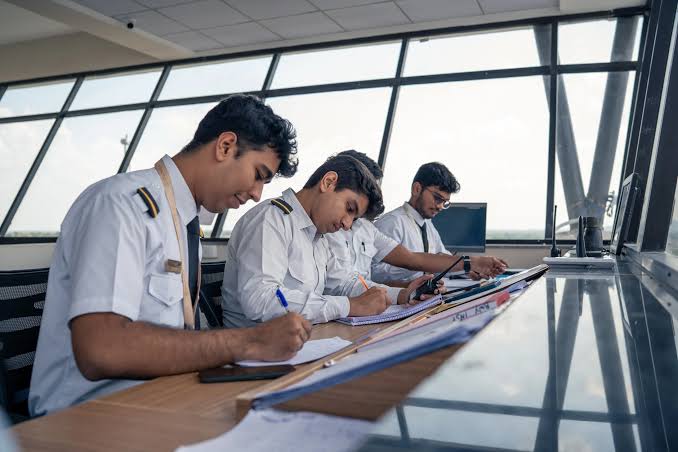
Many candidates preparing for the aircraft pilot exam encounter similar challenges throughout their journey. Time management is a frequent struggle, as balancing theoretical study with flight training hours demands disciplined scheduling. The sheer volume of technical material in subjects like meteorology and navigation can feel overwhelming, especially for those without a strong science background. Financial constraints also pose difficulties since flight training and exam fees are often expensive, requiring careful budgeting or sponsorship arrangements. Test anxiety is another common obstacle, particularly during the oral and practical components, where nervousness can affect performance despite adequate preparation. Additionally, unpredictable weather conditions can delay practical training sessions, extending the overall timeline before candidates feel ready to attempt their exam. Recognizing these challenges early allows aspiring pilots to develop coping strategies, seek mentorship from experienced aviators, and maintain steady motivation throughout the demanding certification process.
Tips for Effective Exam Preparation
Successful preparation for the aircraft pilot exam requires a combination of structured study, consistent practice, and mental discipline. Creating a realistic study timetable that allocates specific hours to each subject helps prevent last-minute cramming and builds long-term retention of technical concepts. Practicing with previous years’ question papers and mock tests familiarizes candidates with the exam format and time constraints they will face on the actual test day. Joining study groups or forums with fellow aspiring pilots can provide valuable peer support and clarify doubts through shared learning. Regular physical exercise and adequate sleep also play a role in maintaining the sharp cognitive function required for both theoretical exams and practical flight assessments. Seeking guidance from experienced flight instructors ensures candidates receive personalized feedback on their weak areas. Staying calm, organized, and consistent throughout the preparation phase greatly increases the likelihood of clearing the aircraft pilot exam on the first attempt.
Career Opportunities After Clearing the Exam
Successfully clearing the aircraft pilot exam opens the door to numerous career paths within the aviation industry. Licensed pilots can pursue roles as commercial airline pilots, cargo flight operators, charter pilots, or flight instructors, each offering distinct work environments and responsibilities. Some pilots choose to specialize further by obtaining additional ratings for specific aircraft types or advanced certifications like instrument and multi-engine ratings, which broaden their employment opportunities significantly. The aviation sector also offers roles beyond flying, such as safety inspectors, aviation consultants, or training coordinators for individuals who wish to remain connected to the field in different capacities. Career progression typically depends on accumulated flying hours, specialized skills, and continued professional development through recurrent training programs. Passing the aircraft pilot exam is therefore not just an academic milestone but the foundation for a long and dynamic career in an industry that continues to grow steadily across the globe.